Dwarka Pitha (Sharada Peetha) (Dwarka) FAQs In 2026 - 2027
Religious/Spiritual site
8 FAQs on Dwarka Pitha (Sharada Peetha)
What is the Dwarka Pitha (Sharada Peetha), and why is it significant?
Dwarka Pitha, also known as Sharada Peetha, is one of the four cardinal monasteries (mathas) established by the 8th-century philosopher-saint Adi Shankaracharya. Located in Dwarka, a city in Gujarat, India, it is a prestigious center for learning and pilgrimage for Hindus. The Dwarka Pitha holds cultural and religious importance as it represents the western (Dvaravati) direction and is associated with the deity Lord Krishna, who is believed to have set up his kingdom in Dwarka.
What can tourists see and do at the Dwarka Pitha?
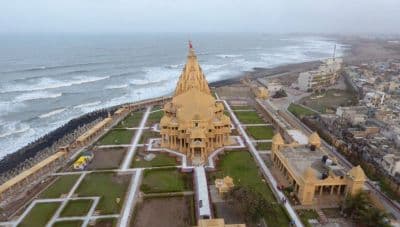
Tourists visiting the Dwarka Pitha can explore the majestic temple complex, witness traditional rituals and ceremonies, and soak in the spiritual atmosphere. Visitors can also learn about the teachings of Adi Shankaracharya, the history of the matha, and its significance in Hinduism. Additionally, tourists can enjoy the scenic beauty of the coastal town of Dwarka and visit nearby attractions such as the Dwarkadhish Temple, Rukmini Devi Temple, and the lighthouse at the Dwarka Point.