Delve into the Tibetan Influence on Darjeeling's Food & Culture

North-East

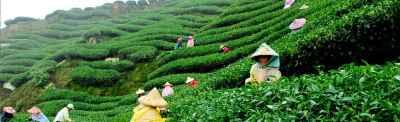
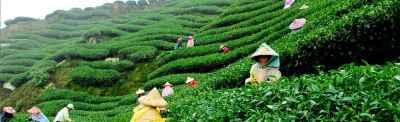
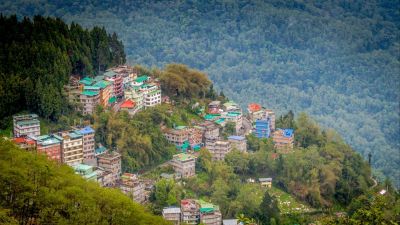
If you are a lover of vibrant cultures and delectable cuisines, then a visit to Darjeeling, a hill station in the Indian state of West Bengal, should definitely be on your travel itinerary. Known for its breathtaking views of the Himalayas and its world-famous tea plantations, Darjeeling is also home to a rich Tibetan influence that has shaped its food and culture over the years. In this blog post, we will delve into the Tibetan influence on Darjeeling's food and culture, exploring the unique flavors and traditions that make this hill station a culinary delight.

The Tibetan Connection

Located at the eastern edge of the Himalayas, Darjeeling shares a border with Tibet, which has had a profound influence on the region's cultural heritage. Over the years, Tibetan refugees have sought sanctuary in Darjeeling, bringing with them their unique customs, traditions, and, most importantly, their mouthwatering cuisine.
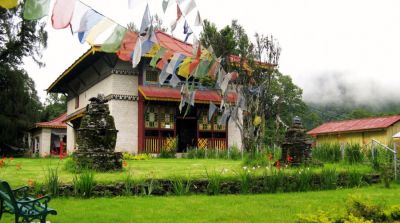
The Tibetan influence in Darjeeling is evident in the architecture, clothing, and religious practices of the locals. The bustling Chowrasta Square, the heart of Darjeeling, is home to several Tibetan shops, selling everything from prayer flags to traditional clothing. The iconic Tibetan Refugee Self Help Centre showcases the intricate art of thangka painting, carpet weaving, and woodwork, providing visitors with a glimpse into the rich Tibetan heritage that thrives in this hill station.

The Delights of Tibetan Cuisine

One cannot talk about the Tibetan influence on Darjeeling without mentioning the tantalizing Tibetan cuisine that has become an integral part of the local culinary scene. Whether you are a vegetarian or a meat lover, Tibetan cuisine offers a multitude of flavors and dishes that are sure to leave you craving for more.

Momos: Perhaps the most famous Tibetan dish, momos are steamed dumplings filled with a variety of fillings such as vegetables, meat, or cheese. These little pockets of flavor are served with a spicy tomato sauce or a tangy dipping sauce and are a favorite street food in Darjeeling.

Thukpa: This hearty noodle soup is a staple in Tibetan households. Made with a savory broth, vegetables, and your choice of meat, thukpa is perfect for warming up on a chilly day in the hills. Vegetarian alternatives are also available, making it a versatile dish for all palates.

Shapta: If you are a fan of spicy, stir-fried dishes, then shapta is a must-try. This Tibetan beef dish is cooked with an array of vegetables, spices, and soy sauce, resulting in a dish bursting with flavor and heat. The tender beef and vibrant mix of ingredients make it a soul-satisfying choice.

Phing: Another iconic Tibetan dish, phing is a cold noodle salad made with glass noodles, vegetables, and spices. It is often flavored with sesame oil, vinegar, and soy sauce, giving it a tangy and refreshing taste. Phing is a popular summer dish that is both light and flavorful.

Celebrating Tibetan Festivals

The Tibetan influence is not only restricted to the food in Darjeeling but also extends to the vibrant celebrations of Tibetan festivals. The residents of Darjeeling embrace these festivals with much enthusiasm, and tourists are often treated to colorful processions, traditional dances, and cultural performances.

Losar: Losar, also known as the Tibetan New Year, is one of the most important festivals celebrated in Darjeeling. The streets come alive with parades, masked dances, and music as locals and visitors join in the festivities. Traditional Tibetan dishes are prepared, and families come together to exchange gifts and good wishes.

Saga Dawa: Saga Dawa is another significant festival that commemorates the birth, enlightenment, and demise of Lord Buddha. Pilgrims from all over gather at Darjeeling's monasteries to offer prayers, chant mantras, and participate in religious ceremonies. The peaceful ambiance during this festival is truly captivating.

The Impact of Tibetan Culture

The Tibetan influence on Darjeeling goes beyond its cuisine and festivals. The spiritual practices of Tibetan Buddhism have also left an indelible mark on the hill station. Darjeeling is home to several monasteries and nunneries, where visitors can immerse themselves in the serene and meditative atmosphere.

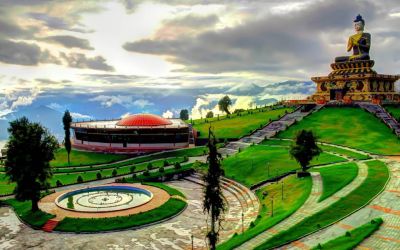
The presence of these monasteries has not only shaped the cultural landscape of Darjeeling but also made it a popular destination for those seeking spiritual enlightenment and solitude. The Ghum Monastery and the Japanese Peace Pagoda are notable attractions that offer solace and breathtaking views of the surrounding landscapes.

Conclusion

Darjeeling's Tibetan influence is a testament to the power of cultural exchange and integration. From its delicious momos and thukpa to its vibrant festivals and serene monasteries, Tibetan culture has seamlessly woven itself into the fabric of Darjeeling's food and culture.

Visitors to Darjeeling have the opportunity to embark on a sensory journey, experiencing the flavors, traditions, and spirituality that this hill station has to offer. So, whether you are a food enthusiast or a culture lover, a trip to Darjeeling is sure to leave you with lasting memories and a deep appreciation for the Tibetan influence that enriches this enchanting destination.

Don't forget to share this blog post with your fellow travelers and foodies!

Disclaimer : The information provided in this blog is for general informational purposes only. While we strive to keep the content accurate and updated, TravelSetu assumes no liability for errors or omissions. If you believe any part of this blog infringes your rights or causes concern, please notify us immediately at info[at]travelsetu[dot]com so that appropriate action can be taken.
Related posts

Sikkim Village Commons and Land Use
If you are planning a slow, ground-level trip to Sikkim, understanding village commons and land use will change the way you see the state. Beyond monasteries and viewpoints, Sikkim’s villages are sh..
Sikkim Salt and Mineral Springs
If you are planning a Sikkim trip and want more than monasteries, lakes and mountain views, the state’s salt and mineral springs deserve a place on your list. They are not just scenic stops; many tr..
Sikkim Postal and Trade History
If you are planning a trip to the North-East and want more than scenic viewpoints and monastery visits, Sikkim has a fascinating story to tell through its postal and trade history. This article is for..
Sikkim Cantonment and Military Heritage
If you are planning a Sikkim trip and want more than monasteries and mountain views, this guide is for you. Sikkim’s military heritage is part of everyday life here, from cantonment zones around Gan..
Sikkim Clock Towers and Landmarks
If you are planning a Sikkim trip and want more than just mountain views, this guide is for you. It walks you through the clock towers and major landmarks that shape the character of the state, especi..
Sikkim Travel Community Forums
If you are planning a Sikkim trip and want advice that feels current, personal, and budget-aware, community forums can save you a lot of guesswork. This guide is for Indian travellers who want to use ..
Sikkim Guidebooks and Trail Maps
If you are planning a trip to Sikkim and want to do it properly, good guidebooks and trail maps will save you time, money and confusion. This guide is for Indian travellers who want to understand wher..
Sikkim Offline Navigation Tips
If you are planning a trip to Sikkim, offline navigation is not a nice-to-have; it is part of smart travel. Mobile signals can be patchy on mountain stretches, roads can change after rain, and even si..
Sikkim Satellite Communication Options
If you are planning a trip to Sikkim and need to stay reachable, work remotely, or travel with backup connectivity, this guide will help you make the right choice before you leave. Sikkim’s mountain..
Sikkim Power Bank and Charging
If you are planning a trip to Sikkim, one small item can make a surprisingly big difference: a reliable power bank. Between long mountain drives, patchy mobile network, cold weather that drains batter..
Sikkim Camera Gear for Mountains
If you are planning a photography trip to Sikkim, your camera bag needs to be as thoughtful as your itinerary. The mountains, monasteries, lakes, and changing weather here can test both your gear and ..
Sikkim Trekking Boot Selection
If you are planning a trek in Sikkim, the right boots will do more for your trip than most people expect. The trails here can shift from stone steps and forest roots to slushy rhododendron paths, wet ..
Sikkim Winter Clothing Guide
If you are planning a winter trip to Sikkim, packing the right clothes will matter just as much as choosing your hotels or sightseeing route. The weather can shift quickly between sunny afternoons in ..
Sikkim Altitude Preparation Guide
If you are planning a trip to Sikkim, altitude should be one of the first things on your checklist. From Gangtok at around 1,650 metres to high mountain lakes, passes, and viewpoints that can rise wel..
Sikkim Cold Weather Preparation
If you are planning a winter trip to Sikkim, a little preparation goes a long way. The state can feel magical in cold weather, but temperatures can drop quickly at higher altitudes, roads may slow dow..
Sikkim Sun Exposure at Altitude
If you are planning a Sikkim trip, sun protection needs as much attention as your hotel booking or permit check. At altitude, the UV level rises quickly, so even on cool or cloudy days you can return ..
Sikkim Insect Precautions
If you are planning a Sikkim trip, insect precautions may not be the first thing on your packing list, but they should be on it. The state’s valleys, forests, tea gardens, riverbanks, and humid lowe..
Sikkim Leech Season Advice
Sikkim Leech Season Advice..
Sikkim Seasonal Illness Precautions
Sikkim Seasonal Illness Precautions..
Sikkim Food Hygiene Notes
Sikkim Food Hygiene Notes..

North-East Tour Packages

View All Packages

Places to visit in Sikkim

Indian Tour Packages

International Tour Packages

Get Free Quote Now