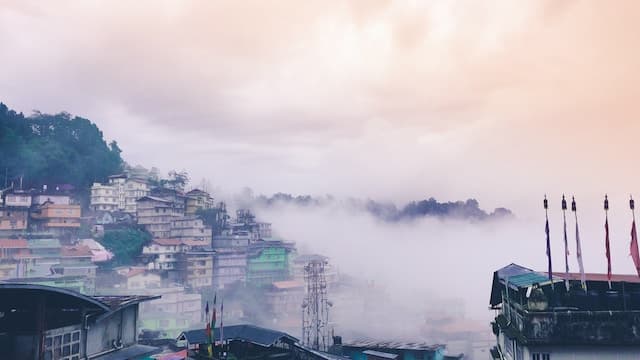
Experiencing the Thrill: Ride the Ropeway in Darjeeling

North-East

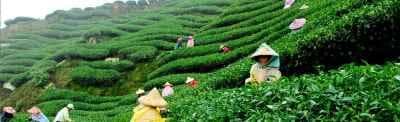
Darjeeling, a picturesque hill town nestled in the foothills of the Himalayas, is a paradise for nature lovers and adventure enthusiasts alike. From its lush tea gardens to breathtaking views of the snow-capped mountains, Darjeeling offers a plethora of experiences that will leave you awestruck. One of the must-do activities in Darjeeling is taking a ride on the famous Darjeeling Ropeway, also known as the Darjeeling Rangeet Valley Passenger Cable Car.

The Darjeeling Ropeway Experience

The Darjeeling Ropeway is the oldest cable car system in India and was inaugurated way back in 1968. Offering a unique and thrilling experience, it connects the North Point in Darjeeling with the Singla Bazaar in the valley, covering a distance of about 8 kilometers.

The ropeway ride is divided into two stages. The first stage takes you from the base station at North Point to the intermediate station at Singamari. The second stage continues from Singamari to the final destination at Tukvar, near the Singla Tea Estate. Both stages offer breathtaking views of the surrounding tea gardens, dense forests, and the majestic Kanchenjunga Range.

While the entire journey takes around 45 minutes, the time spent in the cable car itself is approximately 20 minutes for each stage. The cable cars are spacious and comfortably seat up to six passengers, providing an unobstructed view of the beautiful landscape below.

What Makes it Thrilling?

The Darjeeling Ropeway is not just about the mesmerizing views; it also offers an adrenaline rush like no other. As you soar above the valleys and hill slopes, the feeling of weightlessness and the sheer height of the cable cars create a thrilling experience.

As the cable car ascends, the landscape unfolds beneath you, revealing the sprawling tea gardens, dense forests teeming with wildlife, and the gushing mountain streams below. The panoramic views of the Himalayan peaks in the distance, including the iconic Kanchenjunga, will leave you spellbound.

The journey is not just a feast for the eyes; it also offers a glimpse of the scenic beauty and biodiversity of the region. Keep your cameras ready to capture the stunning vistas and the occasional glimpses of birds and animals in their natural habitat.

Things to Remember

Before you embark on your Darjeeling Ropeway adventure, here are a few things to keep in mind:

  1. Weather Conditions: The ropeway is operational throughout the year, but it is always recommended to check the weather conditions before planning your ride. Fog and heavy rain can affect visibility and may lead to temporary closures.
  2. Ticket Prices: The ticket prices for the Darjeeling Ropeway vary depending on the stage of the journey. As of 2021, the ticket prices range from INR 200 to INR 700 per person. It is advisable to carry cash as card payments may not be accepted at the ticket counter.
  3. Peak Hours: The ropeway can get crowded, especially during peak tourist season. To avoid long queues and waiting times, it is advisable to plan your visit during weekdays and avoid public holidays.
  4. Photography: Don't forget to carry your camera or smartphone to capture the stunning vistas from the cable car. However, be cautious while taking pictures and do not lean out of the cable car.
  5. Safety Guidelines: Follow the safety guidelines provided by the ropeway authorities. Be seated at all times during the ride and do not consume food or drinks inside the cable car.

In Conclusion

Riding the ropeway in Darjeeling is an experience that should not be missed. From the thrill of being suspended in mid-air to the mesmerizing views of the tea gardens and Himalayan peaks, the ropeway ride offers a unique perspective of the region's natural beauty. So, gear up for an adventure of a lifetime and make sure to add this thrilling experience to your Darjeeling itinerary.

Don't forget to share this blog post with your fellow travelers and adventure enthusiasts to inspire them to ride the ropeway in Darjeeling!

Disclaimer : The information provided in this blog is for general informational purposes only. While we strive to keep the content accurate and updated, TravelSetu assumes no liability for errors or omissions. If you believe any part of this blog infringes your rights or causes concern, please notify us immediately at info[at]travelsetu[dot]com so that appropriate action can be taken.

Related posts

Sikkim Village Commons and Land Use
If you are planning a slow, ground-level trip to Sikkim, understanding village commons and land use will change the way you see the state. Beyond monasteries and viewpoints, Sikkim’s villages are sh..
Sikkim Salt and Mineral Springs
If you are planning a Sikkim trip and want more than monasteries, lakes and mountain views, the state’s salt and mineral springs deserve a place on your list. They are not just scenic stops; many tr..
Sikkim Postal and Trade History
If you are planning a trip to the North-East and want more than scenic viewpoints and monastery visits, Sikkim has a fascinating story to tell through its postal and trade history. This article is for..
Sikkim Cantonment and Military Heritage
If you are planning a Sikkim trip and want more than monasteries and mountain views, this guide is for you. Sikkim’s military heritage is part of everyday life here, from cantonment zones around Gan..
Sikkim Clock Towers and Landmarks
If you are planning a Sikkim trip and want more than just mountain views, this guide is for you. It walks you through the clock towers and major landmarks that shape the character of the state, especi..
Sikkim Travel Community Forums
If you are planning a Sikkim trip and want advice that feels current, personal, and budget-aware, community forums can save you a lot of guesswork. This guide is for Indian travellers who want to use ..
Sikkim Guidebooks and Trail Maps
If you are planning a trip to Sikkim and want to do it properly, good guidebooks and trail maps will save you time, money and confusion. This guide is for Indian travellers who want to understand wher..
Sikkim Offline Navigation Tips
If you are planning a trip to Sikkim, offline navigation is not a nice-to-have; it is part of smart travel. Mobile signals can be patchy on mountain stretches, roads can change after rain, and even si..
Sikkim Satellite Communication Options
If you are planning a trip to Sikkim and need to stay reachable, work remotely, or travel with backup connectivity, this guide will help you make the right choice before you leave. Sikkim’s mountain..
Sikkim Power Bank and Charging
If you are planning a trip to Sikkim, one small item can make a surprisingly big difference: a reliable power bank. Between long mountain drives, patchy mobile network, cold weather that drains batter..
Sikkim Camera Gear for Mountains
If you are planning a photography trip to Sikkim, your camera bag needs to be as thoughtful as your itinerary. The mountains, monasteries, lakes, and changing weather here can test both your gear and ..
Sikkim Trekking Boot Selection
If you are planning a trek in Sikkim, the right boots will do more for your trip than most people expect. The trails here can shift from stone steps and forest roots to slushy rhododendron paths, wet ..
Sikkim Winter Clothing Guide
If you are planning a winter trip to Sikkim, packing the right clothes will matter just as much as choosing your hotels or sightseeing route. The weather can shift quickly between sunny afternoons in ..
Sikkim Altitude Preparation Guide
If you are planning a trip to Sikkim, altitude should be one of the first things on your checklist. From Gangtok at around 1,650 metres to high mountain lakes, passes, and viewpoints that can rise wel..
Sikkim Cold Weather Preparation
If you are planning a winter trip to Sikkim, a little preparation goes a long way. The state can feel magical in cold weather, but temperatures can drop quickly at higher altitudes, roads may slow dow..
Sikkim Sun Exposure at Altitude
If you are planning a Sikkim trip, sun protection needs as much attention as your hotel booking or permit check. At altitude, the UV level rises quickly, so even on cool or cloudy days you can return ..
Sikkim Insect Precautions
If you are planning a Sikkim trip, insect precautions may not be the first thing on your packing list, but they should be on it. The state’s valleys, forests, tea gardens, riverbanks, and humid lowe..
Sikkim Leech Season Advice
If you are planning a trip to Sikkim during the monsoon or the humid shoulder months, you have probably heard about leeches and wondered how serious the problem really is. This guide is for you if you..
Sikkim Seasonal Illness Precautions
If you are planning a trip to Sikkim, a little health preparation goes a long way. The state is beautiful, but its changing weather, high altitude, long road journeys and seasonal outbreaks can catch ..
Sikkim Food Hygiene Notes
If you are planning a trip to Sikkim and love trying local food, a little hygiene awareness will make your journey far more comfortable. This guide is for Indian travellers who want to enjoy momos, th..

North-East Tour Packages

View All Packages

Places to visit in Sikkim

Indian Tour Packages

International Tour Packages

Get Free Quote Now