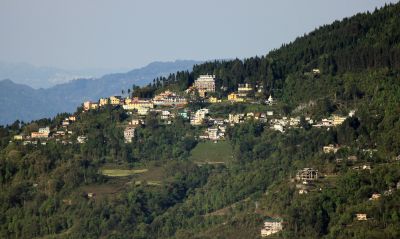
Exploring Darjeeling's plantations: A Tea Lover's Paradise
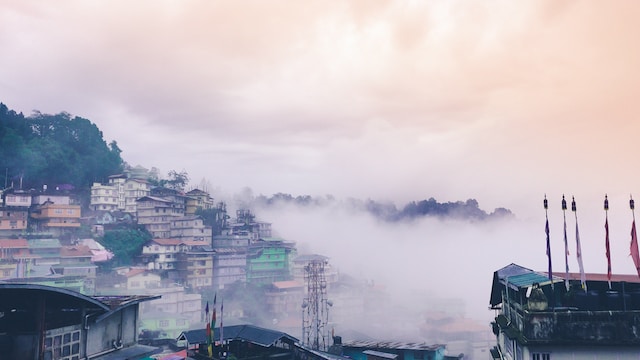
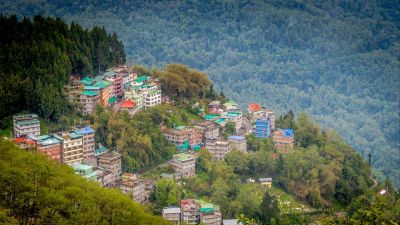
Darjeeling, a picturesque town nestled in the Himalayan foothills, is renowned for its panoramic views, beautiful landscapes, and of course, its tea plantations. Known as the "Queen of the Hills," this charming hill station in West Bengal, India, attracts tea aficionados from around the world. If you are a tea lover, exploring Darjeeling's plantations is an experience you can't afford to miss.
The Tea Gardens of Darjeeling
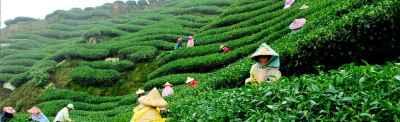
Darjeeling is famous for its tea gardens, which produce some of the finest and most sought-after teas in the world. The region's unique combination of soil, climate, and altitude gives Darjeeling tea its distinctive flavor and aroma. The tea gardens in Darjeeling are not just places where tea is grown; they are meticulously maintained estates that offer a glimpse into the rich history and culture of tea production.
There are more than 80 tea gardens spread across the hills of Darjeeling, each with its own unique character and flavor profile. Some of the most renowned tea gardens that you must visit include:
- Makaibari Tea Estate: Located in Kurseong, Makaibari is one of the oldest organic tea estates in Darjeeling. Known for its sustainable farming practices, Makaibari produces exceptional Darjeeling teas.
- Glenburn Tea Estate: Situated in the picturesque village of Glenburn, this estate offers breathtaking views of the Kanchenjunga mountain range. Enjoy a guided tour of the tea gardens and learn about the tea-making process.
- Happy Valley Tea Estate: Just a short distance from Darjeeling town, Happy Valley is known for its high-quality black and green teas. Take a guided tour to witness the tea-plucking process and visit the tea factory.
The Tea-Making Process
A visit to the tea gardens of Darjeeling is not only about admiring the verdant landscapes but also about understanding the intricate process that goes into making the perfect cup of tea. During your visit, you will get an opportunity to see the tea-pluckers in action as they carefully select the best leaves, ensuring only the freshest and most tender ones are plucked.
Once the leaves are plucked, they undergo a series of steps, including withering, rolling, oxidizing, and drying, to develop their unique flavors. A visit to the tea factories within the estates will give you insight into these processes. You can witness the various stages of tea production and even participate in tea tasting sessions to appreciate the nuances of different teas.
Local Tea Culture and Tastings
While exploring Darjeeling's tea plantations, immerse yourself in the local tea culture. Interact with the tea workers and learn about their way of life. You can even try your hand at plucking tea leaves under the guidance of experienced workers.
Don't forget to indulge in tea tastings where you can sample a variety of teas, from light and floral first flush teas to fuller-bodied second flush teas. Darjeeling tea is known for its muscatel flavor, a unique characteristic that sets it apart from teas produced in other regions. Experience the delicate flavors and aromas of Darjeeling tea as you savor every sip.
Exploring the Surrounding Areas
While the tea gardens are the highlight of Darjeeling, the surrounding areas offer breathtaking views and unique attractions. Take a ride on the Darjeeling Himalayan Railway, often called the "Toy Train," which is a UNESCO World Heritage site. The narrow-gauge railway takes you through scenic valleys and tea gardens, offering panoramic views of the mountains.
Visit the Padmaja Naidu Himalayan Zoological Park, which is renowned for its conservation efforts and houses rare Himalayan species, including the elusive snow leopard. The park also has a breeding center for the endangered red panda.
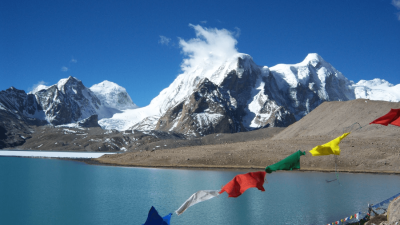
No visit to Darjeeling is complete without a trip to Tiger Hill. Wake up early and make your way to this viewpoint to witness the mesmerizing sunrise over the snow-capped peaks of the Himalayas, including the majestic Kanchenjunga.
Conclusion
Darjeeling's tea plantations provide a truly immersive experience for tea lovers. From exploring the lush tea gardens and witnessing the tea-making process to indulging in tea tastings and embracing the local tea culture, every moment is a delight for the senses. The combination of stunning landscapes, warm hospitality, and world-class teas makes Darjeeling a tea lover's paradise. So, pack your bags, head to Darjeeling, and embark on an unforgettable journey through the enchanting world of tea.
Remember to share this blog post with your fellow tea connoisseurs and plan your next tea-filled adventure in Darjeeling!
Disclaimer : The information provided in this blog is for general informational purposes only. While we strive to keep the content accurate and updated, TravelSetu assumes no liability for errors or omissions. If you believe any part of this blog infringes your rights or causes concern, please notify us immediately at info[at]travelsetu[dot]com so that appropriate action can be taken.