Loyal to the Soil: Organic Farming Practices in Gangtok
Loyal to the Soil: Organic Farming Practices in Gangtok
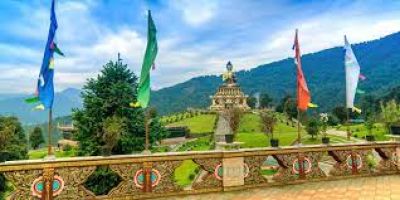
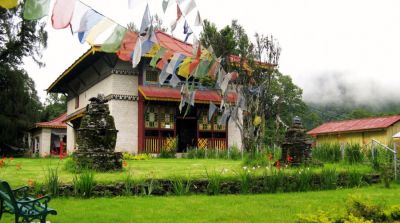
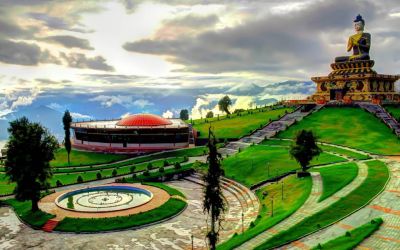
Gangtok, the capital city of Sikkim, is not only known for its breathtaking scenic beauty and enchanting monasteries but also for its commitment to sustainable living. One of the remarkable initiatives in Gangtok is the widespread adoption of organic farming practices. With a strong emphasis on preserving the environment and promoting the health of its residents, Gangtok has become a hub for organic farming enthusiasts. In this blog post, we will explore the fascinating world of organic farming in Gangtok and uncover the reasons behind its success.
The Birth of Organic Farming in Gangtok
Organic farming in Gangtok started to gain momentum in the early 2000s when the government of Sikkim made a bold decision to convert the entire state into an organic farming hub. This visionary move aimed at eliminating the use of synthetic chemicals and pesticides from agricultural practices and promoting sustainable farming techniques.
Under the guidance of the government, farmers in Gangtok gradually shifted from conventional farming methods to organic farming. They were provided with training, financial incentives, and technical support to help them transition smoothly. The government also worked towards certifying organic farms to ensure the quality and authenticity of the produce.
Principles of Organic Farming
Organic farming in Gangtok is based on the following principles:
- Elimination of Synthetic Inputs: Organic farmers in Gangtok do not use synthetic fertilizers, pesticides, or genetically modified seeds. They rely on natural and organic alternatives such as compost, manure, and bio-fertilizers.
- Soil Health: Gangtok's organic farmers prioritize soil health. They focus on improving soil fertility through practices like crop rotation, green manuring, and the use of beneficial microorganisms.
- Biodiversity Conservation: Organic farms in Gangtok promote biodiversity by growing a variety of crops, intercropping, and preserving native seeds. This helps in natural pest control and reduces the risk of crop failure.
- Water Conservation: Gangtok's organic farmers use water efficiently by adopting techniques like drip irrigation, rainwater harvesting, and mulching. This helps in conserving water resources in the region.
- Animal Welfare: Organic farms in Gangtok adhere to ethical animal farming practices. They prioritize the well-being of farm animals and avoid the use of hormones or antibiotics.
Benefits of Organic Farming
The organic farming practices in Gangtok have numerous benefits for both the environment and the community:
- Environmental Sustainability: Organic farming reduces soil erosion, water pollution, and greenhouse gas emissions. It promotes healthy ecosystems and conserves natural resources.
- Improved Food Quality: Organic produce is free from chemical residues and synthetic additives. It is nutritionally rich, tastier, and healthier for consumers.
- Supporting Local Farmers: By buying organic produce from local farmers, consumers contribute to the livelihoods of small-scale farmers in Gangtok.
- Promoting Rural Development: Organic farming has created employment opportunities in rural areas, promoting inclusive growth and reducing migration to urban areas.
Visiting Organic Farms in Gangtok
If you are fascinated by organic farming and want to experience it firsthand, Gangtok offers opportunities to visit organic farms. The city has several farm stays and eco-tourism initiatives where you can learn about organic farming practices, participate in farming activities, and taste farm-fresh organic produce.
During your visit, you can witness the dedication and hard work of organic farmers, understand their challenges, and gain insights into the sustainable agricultural practices they follow. It is a great way to connect with nature, support local farmers, and learn about the importance of organic food.
Conclusion
Gangtok's commitment to organic farming is inspiring and sets an excellent example for sustainable agriculture. The city has beautifully demonstrated the potential of organic farming in improving food security, promoting environmental sustainability, and creating a better future for its residents. By embracing organic farming practices, Gangtok has not only preserved its soil but also its cultural heritage and traditions. It is a shining example of how a community can come together to protect and nourish the land they call home.
So, the next time you plan a trip to Gangtok, don't miss the opportunity to explore the world of organic farming and experience the magic of sustainable living.
Do share this blog post with your fellow travel enthusiasts and let's spread the word about Gangtok's remarkable organic farming practices!
Disclaimer : The information provided in this blog is for general informational purposes only. While we strive to keep the content accurate and updated, TravelSetu assumes no liability for errors or omissions. If you believe any part of this blog infringes your rights or causes concern, please notify us immediately at info[at]travelsetu[dot]com so that appropriate action can be taken.