If you are planning a North-East trip and want something more local than the usual sightseeing circuit, Sikkim’s archery tournaments deserve a spot on your list. This article will help you understand where these events happen, when to try your luck at watching one, what the atmosphere feels like, and how to plan a trip around them without missing the best of Sikkim.
Why archery matters in Sikkim
In Sikkim, archery is not just a sport; it is part of community life in many towns and villages. You will often see matches tied to festivals, local celebrations, and holiday gatherings, especially in places where traditional customs are still actively followed. For travellers, this makes archery tournaments one of the most authentic cultural experiences in the state.
The appeal lies in the mix of precision and festivity. A tournament may feel serious on the field, but around it you will often find music, food stalls, cheering locals, and a social atmosphere that is very different from a formal stadium event. If you want to experience Sikkim beyond monasteries and viewpoints, this is a great way to do it.
Where you are most likely to find tournaments
Archery events are usually organised in towns, community grounds, school fields, and village open spaces rather than in large sports complexes. In Sikkim, you are most likely to come across them in and around Gangtok, Namchi, Ravangla, Mangan, and smaller rural settlements in East Sikkim and South Sikkim. Some events are part of local fairs, while others are standalone competitions arranged by clubs or community groups.
If you are staying in Gangtok, ask your hotel owner, driver, or local guide about current tournaments. Schedules are often announced locally, and the exact venue can change depending on weather and the scale of the event. In villages, an event may be held on a field that is easy to miss if you are not with someone from the area.
Best areas to base yourself
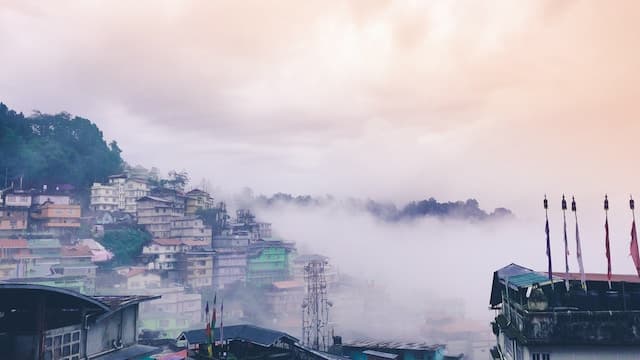
Gangtok is the most convenient base because it has the widest range of stays, transport options, and local contacts. From here, you can often reach nearby event sites in 30 minutes to 2 hours depending on the location. Namchi and Ravangla are better if your trip includes South Sikkim and you want a quieter pace.
For a more community-driven experience, consider staying in Dzongu or in a village homestay in North or East Sikkim, though access and transport may be more limited. These areas can be rewarding if you are looking for local festivals and traditional practices, but you should plan more carefully and confirm road conditions in advance.
When to plan your trip
There is no single fixed archery season in Sikkim, because tournaments are often linked to festivals, local holidays, and community calendars. That said, the spring to autumn months, roughly March to October, are generally easier for travel and outdoor events. The weather is more comfortable, roads are usually more reliable, and village grounds are more likely to be active with outdoor gatherings.
April to June and September to early November are especially practical for visitors. Winter can bring crisp, clear days in some places, but mountain weather is less predictable and some rural routes may be harder to use. If your main aim is to attend a tournament, build flexibility into your plan and ask locally about any event dates a few weeks before travel.
Travel planning tip
If you are combining archery with sightseeing, keep at least 3-5 days in Sikkim. That gives you time for Gangtok or South Sikkim plus one day that can be adjusted for an event if you hear of a tournament after you arrive. This is important because local fixtures can change with weather, community decisions, or festival timing.
What the tournament experience feels like
Watching an archery tournament in Sikkim is very different from watching a commercial sports event. The setting is usually open and informal, and the focus is on accuracy, patience, and community participation. You may see traditional bows in use at some events, while others use more standard sporting equipment. Either way, the competition is often followed closely by local spectators who know the players and understand the stakes.
The soundscape matters as much as the action. Expect conversations in Nepali and local dialects, announcements from organisers, applause after a precise shot, and a general festive energy that builds through the day. If food stalls are present, you may be able to try momos, thukpa, tea, snacks, and simple local dishes without leaving the venue.
How to behave respectfully
Arrive with a quiet, observant mindset. Do not step into the field unless invited, and avoid standing directly in a player’s line of sight. Ask before taking close photographs of participants, especially in village events where people may prefer a more private atmosphere. If you are unsure what is happening, watch a round or two before asking questions; locals are usually happy to explain once they see your interest.
How to include archery in a Sikkim itinerary
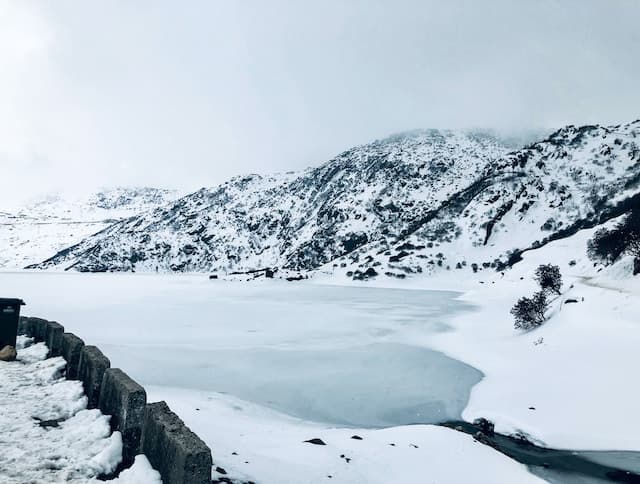
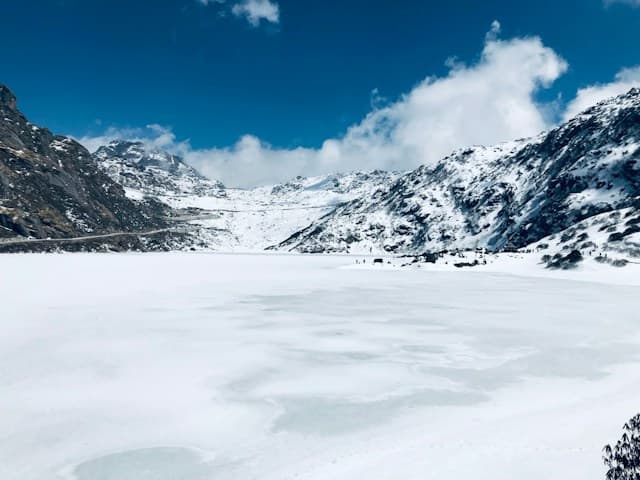
A practical trip around archery does not need to be complicated. A Gangtok-based 4-day itinerary works well if you want flexibility. You can spend one day in Gangtok, keep one half-day open for a tournament, and use the remaining time for Tsomgo Lake, Baba Mandir, Rumtek Monastery, or a short cultural visit around the city.
If you are heading to South Sikkim, pair Namchi with Ravangla over 2-3 days. These towns are scenic, easier to move between, and often close to villages where community events happen. For a deeper cultural trip, add a homestay in a nearby village so you can hear about local matches directly from your hosts.
| Base | Best for | Typical stay | Approx. budget per night |
|---|---|---|---|
| Gangtok | First-time visitors, easy transport, flexible event access | 2-4 nights | Rs.2,500-Rs.6,500 |
| Namchi | South Sikkim, quieter stays, local festival access | 1-2 nights | Rs.2,000-Rs.5,000 |
| Ravangla | Relaxed pace, village feel, scenic add-on | 1-2 nights | Rs.2,000-Rs.5,500 |
| Village homestay | Community events, local insights, cultural immersion | 1-3 nights | Rs.1,200-Rs.3,500 |
Getting there and moving around
The nearest practical gateway for most travellers is Bagdogra Airport in West Bengal, followed by a road transfer to Sikkim. From Bagdogra to Gangtok, the drive usually takes around 4.5 to 6 hours depending on traffic and road conditions. If you are coming by train, New Jalpaiguri is a common railhead, and the road journey is similar.
Inside Sikkim, travel is mostly by shared vehicle, private cab, or pre-booked transfer. For archery events outside Gangtok, it is wise to hire a vehicle for the day rather than depend on shared transport, especially if the venue is in a village or a less-frequented local ground. Budget around Rs.2,500-Rs.5,500 for a private day cab within easier-to-reach parts of Sikkim, with higher rates for longer hill routes or waiting time.
Road travel in the hills can be slow even on short distances. A place that looks close on the map may take 1.5 to 3 hours by road. Build in buffer time, especially if you want to reach before the matches begin.
Food, stays, and what to pack
Sikkim is generally comfortable for travellers, but the weather changes quickly. Carry a light jacket even in warmer months, and pack a rain layer if you are travelling between June and September. Comfortable walking shoes are essential because tournament grounds may be uneven or muddy after showers.
For food, most towns offer simple eateries and homestays with home-style meals. Expect a daily food budget of around Rs.500-Rs.1,200 per person if you are eating casually. If you want a more local experience, ask for regional dishes at your stay, but remember that menus in remote areas can be limited by supplies and season.
Useful items to carry include sunscreen, a water bottle, power bank, basic medicines, and cash. Small event grounds or village areas may not have reliable digital payment options, and mobile connectivity can weaken in some pockets of the state.
Responsible travel tips for visitors
Archery tournaments are a living part of local culture, so your presence should feel supportive, not intrusive. Keep noise low during shots, do not block the audience or officials, and avoid treating the event like a staged performance. If there is a prize ceremony or community gathering, ask before joining in and follow local cues.
It also helps to buy a snack or tea from local stalls, hire local transport, and stay in community-run accommodations when possible. This keeps your spend in the area and makes your visit more beneficial to the people hosting the event. If you are invited to try archery or to stand closer to the field, accept only if it is clearly appropriate and safe.
Frequently Asked Questions
Are Sikkim archery tournaments open to tourists?
Yes, many are open to visitors, especially community events and festival-linked matches. Still, access can be informal, so it helps to ask a local guide, hotel owner, or driver before going. In some village settings, you may be welcomed as a guest rather than a ticket-holder.
Do I need a permit to watch an archery tournament in Sikkim?
For watching local events in accessible parts of Sikkim, you usually do not need a special permit beyond the normal travel rules for your nationality and route. However, if you are travelling to restricted border areas or sensitive zones, permit requirements may apply. Always confirm current rules before booking, since regulations can change.
What is the best month to see an archery event?
There is no fixed month for every tournament, because many events follow local festivals and village calendars. For travel comfort, March to June and September to early November are the safest planning windows. These months usually offer better road conditions and pleasant weather for outdoor viewing.
How much should I budget for a trip focused on archery?
For a modest 4-day Sikkim trip, a realistic budget is around Rs.15,000-Rs.30,000 per person excluding flights or long-distance train fares. This covers mid-range stays, local transport, meals, and one or two day outings. Costs rise if you choose premium hotels, private cabs for long routes, or last-minute travel.
Can I photograph the matches?
Usually yes, but always ask if you are taking close-up photographs of players or families. Wide shots of the ground are often fine, but some participants may prefer not to be photographed during concentration or preparation. A polite request goes a long way in community events.
What else can I combine with an archery trip in Sikkim?
You can pair it with Gangtok sightseeing, Rumtek Monastery, Namchi’s Char Dham area, Ravangla’s peaceful viewpoints, or a homestay experience in a village. If you have extra time, add one scenic drive day and one cultural day so the trip feels balanced. That way, archery becomes part of a fuller Sikkim journey instead of the only activity.
Conclusion
Sikkim archery tournaments give you a rare chance to see sport, community, and local identity come together in one place. If you plan carefully, keep your schedule flexible, and travel with curiosity, you will come back with a much richer understanding of the North-East than a standard sightseeing trip can offer.
If this guide helped you plan better, share the post with someone who is considering a cultural trip to Sikkim.
Planning a North-East trip?
Tell us your dates and who is travelling. Up to three local travel companies send you their itinerary and price.
Get free quotesDisclaimer: The information in this blog is for general information only. We try to keep it accurate and up to date, but TravelSetu accepts no liability for errors or omissions. If you believe any part of it infringes your rights, please write to info@travelsetu.com.