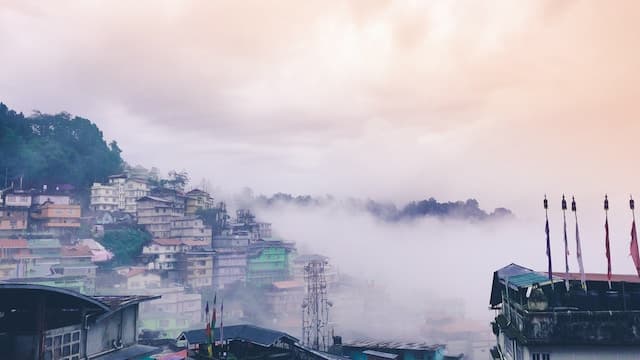
If you are planning a trip to the North-East and want more than scenic roads and mountain views, Sikkim is the place to understand India’s living natural wealth. This article is for travellers who want to know why the state is called a biodiversity hotspot, what that means on the ground, and how you can experience its forests, orchids, birds, and alpine landscapes responsibly.
By the end, you will have a clearer picture of Sikkim’s ecological importance, the best places to see its variety of life, the right seasons to travel, and the practical details that help you plan a smooth trip. If you are building an itinerary around Gangtok, Pelling, Lachung, Yumthang, or Khangchendzonga National Park, this guide will help you travel with purpose.
Why Sikkim Is Called a Biodiversity Hotspot
Sikkim earns its biodiversity hotspot status because it packs an extraordinary range of habitats into a very small area. Within a short drive, you move from subtropical valleys and river gorges to temperate forests, rhododendron slopes, alpine meadows, and snowline terrain near the high Himalaya. This sharp change in altitude creates space for many species to survive in close proximity.
The state sits in the eastern Himalayas, one of the world’s richest ecological regions. Here, orchids, rhododendrons, medicinal plants, insects, birds, butterflies, amphibians, and mammals all find specialised niches. For travellers, this means the landscape is not just beautiful; it is biologically dense, and every season reveals something different.
What makes Sikkim especially important is the combination of species richness and fragility. A narrow range of climatic conditions supports many endemic and rare species, but the same sensitivity means forests, lakes, and alpine grasslands need careful protection. As a visitor, you are walking through an ecosystem that is both spectacular and delicate.
The Habitats That Make Sikkim So Rich
Sikkim’s biodiversity comes from its dramatic elevation range, which rises from low foothills to the high peaks around Kangchenjunga. That vertical spread creates multiple ecological belts, each with its own plant and animal communities. You do not need to be a botanist to appreciate the difference; you will notice it in the air, the vegetation, and the wildlife activity.
Subtropical valleys and river corridors
In lower areas such as parts of South and West Sikkim, you may see dense greenery, paddy fields, cardamom plantations, bamboo groves, and riverine forests. These lower elevations support a warm-climate mix of birds, butterflies, reptiles, and farm biodiversity. Roads in these zones often give you the first clear sense of how varied the state can be in just a few hours of travel.
Temperate forests and rhododendron belts
Between roughly 1,500 and 3,000 metres, temperate forests dominate the hills around places like Ravangla, Barsey, and parts of North Sikkim. Rhododendrons, oaks, magnolias, and maples are common in these zones. Spring brings a strong flush of colour, while autumn offers clearer skies and excellent trekking conditions.
Alpine meadows and high-altitude terrain
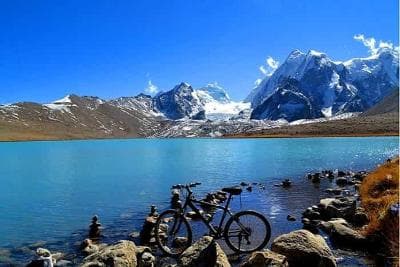
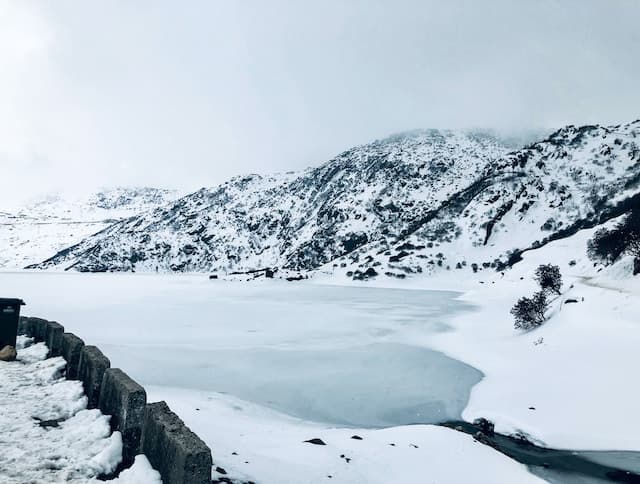
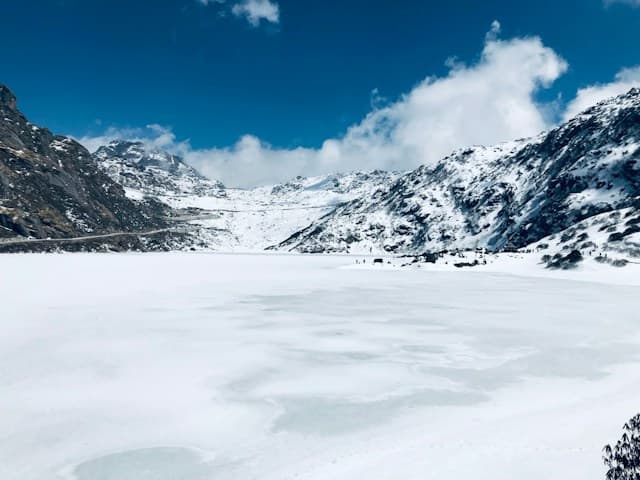
Higher up, near Yumthang and the edges of Khangchendzonga National Park, the climate becomes harsher and the vegetation more specialised. Here you encounter dwarf shrubs, alpine flowers, and open pastureland used carefully by local communities. Wildlife is harder to spot in these zones, but the ecological value is enormous because these highlands feed rivers and support fragile mountain life.
Where to Experience Sikkim’s Biodiversity
If you want to see the state’s ecological variety without rushing, base your itinerary around a few key regions rather than trying to cover everything. The goal is not to tick boxes, but to notice how habitats change from one district to another. A 6- to 9-day trip is a comfortable starting point for first-time visitors.
| Place | What you can see | Typical time from Gangtok |
|---|---|---|
| Gangtok and nearby forest belts | Birdlife, orchids, easy nature walks | Within city limits and 1-2 hours |
| Fambong Lho Wildlife Sanctuary | Forest birds, red panda habitat zone, temperate woodland | About 1-1.5 hours |
| Yumthang Valley | Alpine flowers, river valley scenery, high-altitude flora | About 6-7 hours |
| Barsey Rhododendron Sanctuary | Spring rhododendrons, forest trails, mountain views | Roughly 5-7 hours depending on route |
| Khangchendzonga National Park | High-altitude ecosystem, glaciers, rare fauna and flora | Access varies by zone and permit rules |
Gangtok works well as an entry point because it offers a balance of comfort and access. From there, you can take day trips to nearby forest patches and culture-focused sites, then move north or west for more intensive nature experiences. If you prefer a slower style of travel, consider staying in one district for two nights at a time rather than changing hotels daily.
Best Months to Visit for Nature and Wildlife
Sikkim can be visited through much of the year, but the experience changes sharply with the season. For biodiversity-focused travel, spring and autumn are usually the strongest windows. Always check local road conditions, especially if you are heading toward North Sikkim, because weather can affect access.
March to May
This is one of the best times for flowers, especially rhododendrons and orchids in suitable zones. Forest trails feel fresh, views are often clear, and temperatures are comfortable in most lower and mid-altitude areas. If you want colourful landscapes and easier outdoor walking, this is a good season.
October to November
Autumn brings crisp skies, reduced rainfall, and strong visibility of mountain scenery. This is a practical time for birding, road travel, and photography. It is also a popular period, so accommodation in Gangtok, Pelling, and Lachung can fill up quickly and may cost more than usual.
December to February
Winter is quieter and colder, with snow possible in high-altitude regions. Some travellers enjoy the stark beauty and lower tourist traffic, but you should be prepared for road closures and temperature drops. If your main interest is alpine flora, this is not the strongest season; for dramatic landscapes and peaceful stays, it can still work well.
June to September
The monsoon brings lush green hills and active streams, but also landslides and travel disruptions. It is not the easiest period for a tightly planned biodiversity trip. If you travel then, keep buffer days and avoid making the entire itinerary dependent on one mountain road.
What You Can Expect to See
Sikkim’s biodiversity is not only about famous species; it is also about the ordinary abundance of forest life. You may not spot every rare animal, but you will notice a richer-than-usual range of flowers, canopy layers, birdsong, and insect life. That is part of the appeal of the state.
- Plants: Rhododendrons, orchids, magnolias, primulas, bamboo, oak, chestnut, and medicinal herbs
- Birds: Sunbirds, bulbuls, laughingthrushes, hornbills in lower belts, and numerous Himalayan forest species
- Mammals: Red panda habitat areas, Himalayan black bear zones, deer species, and smaller forest animals
- Butterflies and insects: Especially visible in warmer months and in forest clearings
- High-altitude flora: Alpine flowers and hardy shrubs in valleys and meadows above the temperate belt
Be careful with expectations. Wildlife in mountain forests is often elusive, and sightings are never guaranteed. That does not make the trip less rewarding. In Sikkim, even the drive between two towns can feel like a moving nature lesson if you pay attention to the slope changes, village farms, and forest edges.
Responsible Travel in a Fragile Ecosystem
Because Sikkim is ecologically sensitive, your travel behaviour matters more here than in many other destinations. Staying on marked paths, keeping noise low, and avoiding plastic waste are not just good manners; they help preserve the place you came to see. Local communities and forest authorities take conservation seriously, and travellers should do the same.
Use refillable water bottles, carry back all non-biodegradable waste, and avoid picking flowers or disturbing wildlife. If you are taking a guided walk, listen carefully to local instructions about trail access, photography, and quiet zones. Some areas may require permits or have entry rules that change by season, so confirm everything before you book.
If you want to support the local economy in a meaningful way, choose homestays, local guides, and community-run experiences. This often gives you better food, more authentic conversation, and a more grounded understanding of how people live alongside forests and farms. Expect homestays in smaller towns to cost around Rs.1,500-Rs.3,500 per night, while comfortable hotels in Gangtok may range from Rs.2,500-Rs.6,000 per night, depending on season and location.
How to Plan Your Sikkim Biodiversity Trip
A well-paced trip usually starts in Gangtok, then moves to one or two nature-rich regions such as North Sikkim, West Sikkim, or the Barsey side. For example, a 7-day trip could include 2 nights in Gangtok, 2 nights in Lachung or Lachen if access is open, and 2 nights in Pelling or Ravangla. This gives you a mix of easy access, high-altitude scenery, and forest time without excessive backtracking.
Transport in Sikkim is usually by shared or private vehicle, and mountain road travel is slower than maps suggest. A 100-kilometre journey may take 4-6 hours or more, depending on road conditions. If you are booking a cab, expect approximate costs of Rs.3,000-Rs.7,000 for local day routes and more for remote mountain circuits; rates vary by season, vehicle type, and route restrictions.
For meals, you can eat well on a modest budget. Simple local meals may cost Rs.150-Rs.300, while mid-range restaurant dining in tourist towns can be Rs.300-Rs.700 per person. If you are travelling in peak season, book hotels and vehicles in advance, and keep a little flexibility in case a road closure or weather delay changes your plan.
Why This Matters for North-East Travel
Sikkim is one of the best introductions to the ecological richness of the North-East because it combines accessibility with real conservation value. It helps travellers understand that the region is not only culturally diverse but also ecologically exceptional. A visit here can change the way you look at mountain travel, because you begin to see forests, valleys, and rivers as living systems rather than scenery alone.
For Indian travellers especially, Sikkim offers a rare chance to experience high Himalayan biodiversity without needing an extreme expedition. You can stay in comfortable towns, travel by road, and still encounter landscapes and ecosystems that are globally significant. That is why the state deserves its reputation and why careful, respectful tourism matters so much.
Frequently Asked Questions
Why is Sikkim called a biodiversity hotspot?
Sikkim is called a biodiversity hotspot because it has a very high concentration of species across a small area, along with many rare and endemic plants and animals. Its steep altitude range creates multiple habitats, from warm valleys to alpine zones, which supports this diversity. The eastern Himalayan setting adds further ecological importance.
What is the best time to visit Sikkim for nature tourism?
March to May and October to November are usually the best periods. Spring is strong for flowers, while autumn gives clear views and comfortable travel conditions. If your focus is biodiversity and easy road movement, these months are the safest bet, though weather can still shift quickly in the mountains.
Can you see red pandas in Sikkim?
Sikkim is known for red panda habitat, but sightings are rare because these animals are shy and live in forested areas. You may be in a suitable habitat zone without seeing one. If wildlife is your main goal, go with a knowledgeable local guide and keep your expectations realistic.
Do I need permits to visit certain parts of Sikkim?
Yes, some areas, especially in North Sikkim and near protected zones, may require permits or special permissions. Rules can change depending on the route, season, and security conditions, so confirm them with your tour operator or local authorities before booking. Do not assume that all routes are open year-round.
How many days are enough for a biodiversity-focused trip to Sikkim?
A 6- to 9-day itinerary is a good starting point if you want a balanced experience. That gives you time for Gangtok, one high-altitude region, and one forested or western district. If you want a slower, more immersive trip, 10 days or more is even better.
Is Sikkim expensive for travellers?
Sikkim can be affordable if you choose homestays, local transport, and simple meals, but costs rise in remote areas and peak season. A practical mid-range budget for a couple might be around Rs.4,500-Rs.10,000 per day depending on route, hotel level, and vehicle use. Always check current rates before finalising your trip.
Sikkim’s biodiversity is not just a label; it is something you feel in the climate, the forests, the villages, and the long mountain roads. If you travel thoughtfully, you come away with more than photos—you return with a better sense of why the North-East deserves care, curiosity, and time. Share this post with someone planning a Sikkim trip, and help them travel with a little more awareness.
Planning a North-East trip?
Tell us your dates and who is travelling. Up to three local travel companies send you their itinerary and price.
Get free quotesDisclaimer: The information in this blog is for general information only. We try to keep it accurate and up to date, but TravelSetu accepts no liability for errors or omissions. If you believe any part of it infringes your rights, please write to info@travelsetu.com.