Sikkim Cafe Culture
If you are planning a Sikkim trip and like to explore a place through its food, coffee, and slow conversations, this guide is for you. Sikkim’s cafe culture is one of the easiest ways to understand the state today: local ingredients, mountain views, cosy rooms, and menus that move between momo, thukpa, cheesecake, and a very decent cappuccino.
This article will help you figure out where Sikkim’s cafe scene is strongest, what to order, how much to budget, and how to plan cafe stops around Gangtok, Pelling, Namchi, and the quieter hill towns. It is especially useful if you are travelling with friends, as a couple, or even solo and want a relaxed itinerary with good food and warm seating on cold mountain days.
What Makes Sikkim’s Cafe Culture Special
Sikkim’s cafe culture is not loud or overdone. It grew naturally from a mix of tourism, local entrepreneurship, and a lifestyle shaped by hills, weather, and long pauses between journeys. In places like Gangtok, you will find stylish coffee shops near busy streets, while in Pelling or Namchi the cafes are often part-viewpoint, part-bakery, and part-living room.
The best part is that many cafes here do more than serve coffee. They offer local teas, baked goods, butter tea in some places, millet-based items, and comfort food that suits the cool climate. You also get a strong emphasis on ambience: wooden interiors, soft music, large windows, terrace seating, and menus that work well for a slow afternoon after sightseeing.
Best Places to Experience Cafe Culture in Sikkim
Gangtok: The most developed cafe scene
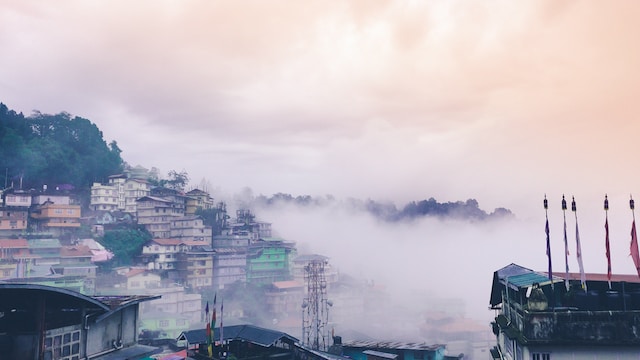
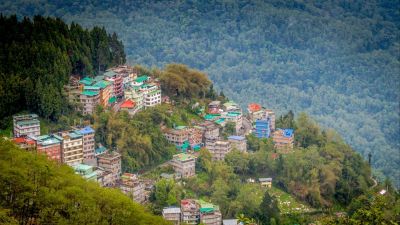
Gangtok is where you will find the widest variety of cafes in Sikkim. Around MG Marg, Deorali, Tadong, and the roads leading towards Tashi View Point, cafes cater to tourists, students, and locals who want a break from the city rush. Expect everything from espresso drinks and wood-fired pizzas to sandwiches, brownies, and traditional snacks.
If you are staying in Gangtok for 2-3 nights, you can easily fit in 3-4 cafe stops without rushing. A cafe visit here usually costs around ?400-?900 per person for a drink and a light meal, depending on the place and whether you order dessert.
Pelling: Quiet cafes with mountain views
Pelling’s cafes are fewer in number, but many of them are designed around the view. This is where you sit with a cup of tea or coffee and look at the surrounding hills, especially on a clear morning. The cafe experience here is less about variety and more about pace.
If you are travelling to Pemayangtse Monastery, Rabdentse Ruins, or the Sky Walk area, plan one long cafe break between sightseeing stops. Prices are usually similar to Gangtok, though some places may have slightly simpler menus and better value for money.
Namchi and South Sikkim: Easygoing and local
Namchi has a smaller but pleasant cafe scene, especially around areas visited by pilgrims and weekend travellers. It is a good place to stop for tea, momos, and snacks if you are combining a visit to Samdruptse, Siddhesvara Dham, or nearby viewpoints. The cafes here are generally more relaxed, with a mix of local families and travellers.
You may not find as many specialty brews, but you will find comforting food and a slower pace that suits the South Sikkim landscape. This is a good region if you prefer simple hill-town cafes over polished urban ones.
Lachung and Lachen: Limited but memorable pit stops
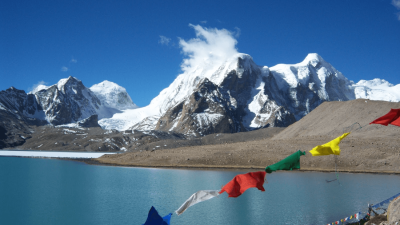
In North Sikkim, cafe culture is minimal compared to Gangtok or Pelling. You are more likely to find tea stalls, lodge dining rooms, and small eateries than independent cafes. Still, on the long road journeys to Lachung or Lachen, a warm stop for tea, noodles, or soup can feel like the best thing in the world.
Think of this part of Sikkim as a place for practical comfort food rather than cafe-hopping. Because road conditions and timings can change, always check with your driver or hotel about meal stops before leaving.
What to Order in a Sikkim Cafe
Sikkim cafes usually have menus that balance international favourites with local favourites. If you want the full experience, order one item from each side of the menu: a coffee or tea, a snack, and something distinctly regional.
| Category | What to Try | Why It Works in Sikkim |
|---|---|---|
| Drinks | Americano, cappuccino, butter tea, ginger lemon tea | The weather makes hot drinks especially satisfying |
| Snacks | Momos, veg pakora, sandwiches, fries | Quick, filling, and easy to share while travelling |
| Local comfort food | Thukpa, phaley, sha phaley, noodles | Warm, light enough for the hills, and very common on menus |
| Desserts | Cheesecake, brownies, apple pie, pastries | Works well with the cafe-bakery style popular in Gangtok |
If you want to keep your spending sensible, a hot drink plus a plate of momos or a bowl of thukpa usually comes to ?250-?500 in many cafes. Premium places, especially with strong views or bakery focus, can cost more.
How to Plan a Cafe Day in Gangtok
A good cafe day in Gangtok starts late in the morning after a nearby sightseeing stop. You could begin with MG Marg, walk around for some shopping, then choose a cafe for brunch or coffee. If you are in the mood for something scenic, head towards the outskirts and look for cafes with window seating and valley views.
A practical half-day plan would be: breakfast or coffee around 9:30 am, a nearby attraction by noon, lunch at a cafe, then a relaxed evening stop for dessert or tea. This works well because Gangtok traffic can be slow, and you do not want to spend more time in transit than at the table.
If your hotel is near MG Marg, you can do most of your cafe exploring on foot. If you are staying farther away, use taxis for point-to-point travel, as local cab fares vary by route and season. Always confirm fare ranges with your driver before starting.
Best Time of Year for Cafe Hopping in Sikkim
The cafe experience changes with the season. From March to May, the weather is pleasant enough for both indoor and window seating, and the roads are usually easier to manage. This is a good time for long coffee breaks after flower-viewing or sightseeing.
October to early December is another strong season. The skies are clearer, the evenings are colder, and a hot bowl of thukpa or a strong coffee feels perfect. Winter months can be very enjoyable too, especially in Gangtok, but some roads in higher areas may be affected by weather, so plan buffer time.
During monsoon months, especially June to September, the views can be misty and beautiful, but travel may slow down because of rain and road conditions. If you are cafe-hopping then, choose places closer to your hotel or main market areas.
Budget Tips for Cafe-Loving Travellers
Sikkim does not have to be expensive if you plan your cafe stops wisely. The easiest way to manage your budget is to mix one proper cafe meal with simpler tea and snack stops on the same day. A couple travelling for a day of sightseeing and two cafe visits may spend around ?1,200-?2,500 in total on food and drinks, depending on choices.
- Choose cafes around MG Marg for easy access rather than paying extra for long cab rides just for coffee.
- Share desserts if you want to try more than one item without overspending.
- Ask for local specials; they are often better value than imported-style dishes.
- Carry some cash, as digital payment may not work reliably in all hill areas.
- Confirm opening hours, especially in small towns where cafes may open later or close early.
If you are booking a Sikkim tour package, ask whether breakfast is included at your hotel. That one detail can save you a decent amount over a 4-5 day trip and leave more room for cafe meals.
Cafe Etiquette and Practical Travel Tips
Sikkim cafes are generally friendly and informal, but a little courtesy goes a long way. In popular cafes, especially in Gangtok, it is best not to occupy a table for too long during rush hours unless you are ordering more. On quieter days, though, leisurely coffee is part of the experience.
Because temperatures can drop quickly in the evening, carry a light jacket even if you are inside a cafe for most of the day. Also, if you are travelling in a group, remember that some hill cafes have limited seating and may take a bit longer to serve food. That is normal here, so do not rush the staff.
If you are sensitive to altitude or get tired easily, keep your cafe itinerary relaxed. Combine one or two stops with short walks rather than packing too much into a single day.
Frequently Asked Questions
Which city is best for cafe culture in Sikkim?
Gangtok is the best place if you want the widest choice of cafes, from casual coffee shops to more polished bakery-cafes. Pelling comes next for view-based cafe stops, while Namchi offers a quieter, more local experience. If you want variety, stay in Gangtok for at least 2 nights.
Are Sikkim cafes expensive for Indian travellers?
Most cafes are reasonably priced by hill-station standards. A drink and a light snack often costs ?250-?500 per person, while a fuller meal can move closer to ?600-?900. Premium view cafes or speciality bakeries may cost more, so check the menu before sitting down.
Can I find vegetarian food easily in Sikkim cafes?
Yes, vegetarian food is widely available in Sikkim cafes, especially in Gangtok. You will usually find veg momos, sandwiches, fries, thukpa, noodles, paneer dishes, and desserts. It is still smart to confirm ingredients if you have strict dietary preferences.
What local drinks should I try besides coffee?
Try butter tea if you want something traditional and warming, though its taste is quite different from regular tea. Ginger lemon tea is another easy favourite in the hills. In some cafes, you may also find local herbal teas and seasonal drinks.
Is cafe hopping possible in North Sikkim?
Not in the same way as Gangtok. In Lachung and Lachen, you will mostly rely on hotel dining rooms, roadside eateries, and tea stops during travel. The cafe scene is much more limited there, so keep expectations practical.
When should I avoid long cafe days in Sikkim?
Avoid making tight cafe plans on days with long transfers, especially when heading to higher-altitude areas or during heavy rain. Road delays can eat into your schedule quickly. It is better to keep cafe visits flexible and near your base town.
Final Thoughts
Sikkim’s cafe culture is best enjoyed slowly. Do not chase too many spots in one day; instead, sit down, order something warm, and let the mountains set the pace. In Gangtok, Pelling, and Namchi, the cafes are not just places to eat, but places to pause, watch the weather change, and take in daily life in the hills.
If you are building a North-East itinerary, make room for at least a few cafe stops in Sikkim, because they add comfort, flavour, and a very local rhythm to the journey. Share this post with someone planning a Sikkim trip so they can enjoy the cafes too.
Disclaimer : The information provided in this blog is for general informational purposes only. While we strive to keep the content accurate and updated, TravelSetu assumes no liability for errors or omissions. If you believe any part of this blog infringes your rights or causes concern, please notify us immediately at info[at]travelsetu[dot]com so that appropriate action can be taken.