If you are planning a Sikkim trip and keep seeing stone walls covered with Tibetan script or white domed shrines beside the road, this guide is for you. By the end, you will understand what chortens and mani walls mean, where you are likely to see them in Sikkim, and how to visit these sacred spaces with the right etiquette.
What a Chorten Means in Sikkim
A chorten is a Buddhist stupa, a sacred structure that usually stores relics, holy texts, or represents enlightened qualities of the Buddha. In Sikkim, chortens are common in monasteries, village entrances, hilltops, and even along mountain roads. They are not just decorative landmarks; for local Buddhists, they are places of prayer, merit, and remembrance.
The shape matters too. Many chortens in Sikkim have a square base, a rounded dome, and a pinnacle at the top. The design symbolises the elements and the path toward spiritual awakening. When you see people walking clockwise around a chorten, they are performing circumambulation, a respectful prayer practice.
What a Mani Wall Means
A mani wall is a stone wall made of slabs or carved stones, usually engraved with the mantra “Om Mani Padme Hum”. You will find these walls near monasteries, village paths, bridges, and roads in Sikkim and other parts of the North-East with strong Tibetan Buddhist influence.
Each stone is considered sacred. The mantra is repeated as a form of compassion and prayer, and the wall itself becomes a continuous act of devotion. Many mani walls in Sikkim are painted white or stacked with stones, with prayer flags fluttering above them. Some are small roadside walls; others stretch for several metres and are carefully maintained by local communities.
Why These Sacred Structures Matter in Sikkim
To understand Sikkim well, you need to see it not just as a scenic mountain state, but as a living Buddhist landscape. Chortens and mani walls are part of everyday life in places like Gangtok, Pelling, Namchi, Ravangla, Lachung, and Yumthang Valley. They mark the spiritual geography of the region just as much as monasteries, prayer flags, and prayer wheels do.
For travellers, these structures also offer a clue to Sikkim’s cultural identity. The state has a strong Tibetan Buddhist heritage, especially in the areas influenced by the Bhutia and Lepcha communities. So when you pass a chorten or mani wall, you are seeing more than architecture; you are looking at a tradition of prayer, memory, and respect that has been passed down for generations.
How Chortens and Mani Walls Are Different
Although both are sacred, they serve different purposes. A chorten is a three-dimensional shrine, while a mani wall is a devotional inscription made of stone slabs. One represents sacred presence; the other carries prayer through written mantra. Both are meant to be respected and usually circled clockwise.
| Feature | Chorten | Mani Wall |
|---|---|---|
| Form | Dome-like shrine or stupa | Stone wall with carved prayer stones |
| Purpose | Holds relics or represents enlightenment | Displays sacred mantra for devotion |
| Common location | Monasteries, hilltops, road junctions | Roadsides, village paths, near monasteries |
| Visitor behaviour | Walk clockwise, keep silence | Walk clockwise, do not step over stones |
Where You Can See Chortens and Mani Walls in Sikkim
Some of the best places to notice these sacred structures are not isolated tourist spots but everyday travel routes. Around Gangtok, you will see chortens near monasteries like Rumtek and Enchey, and on the approach roads leading into town. In Namchi, the spiritual atmosphere is especially strong around the Char Dham complex and nearby Buddhist sites.
In Pelling, chortens and prayer walls often appear along the road to Pemayangtse Monastery and the surrounding villages. If you go towards Ravangla, the area around Buddha Park and nearby monasteries is rich in Buddhist symbols. Farther north, in Lachung and on the way to Yumthang Valley, you will notice mani walls at bridges, bends, and village edges, often set against dramatic mountain scenery.
These are not places to rush through. Take a few minutes at each stop, read the carvings if you can, and observe how local people interact with the space. It gives your Sikkim journey more depth than just ticking off viewpoints.
How to Behave at a Chorten or Mani Wall
Respect is simple, and in Sikkim it matters a great deal. If you follow basic etiquette, you will be welcome almost everywhere. Many locals appreciate visitors who pause, lower their voice, and observe the sacred setting carefully.
- Walk clockwise around chortens and mani walls unless local signage says otherwise.
- Do not climb, sit on, or step over mani stones.
- Speak softly, especially near prayer ceremonies or monks.
- Remove footwear if you are entering a monastery compound and follow posted rules.
- Do not point your feet at sacred objects while sitting nearby.
- Ask before photographing monks, rituals, or people praying.
If you are travelling with children or elderly family members, explain these rules in advance so the visit stays smooth. A respectful approach is especially important in villages where spiritual traditions are part of daily life, not just tourism.
Best Time to Explore Spiritual Sikkim
The best months for a Sikkim trip are usually March to May and October to December. During these periods, the weather is clearer, road travel is more comfortable, and monastery visits are easier to plan. Spring is especially pleasant for Gangtok, Ravangla, and Pelling, while autumn gives better views in higher-altitude areas.
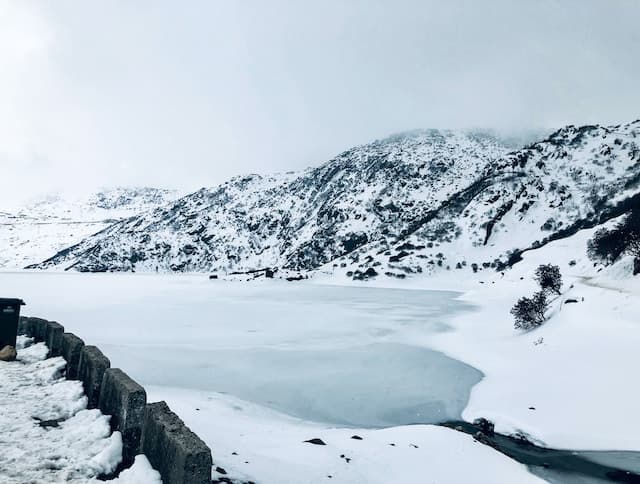
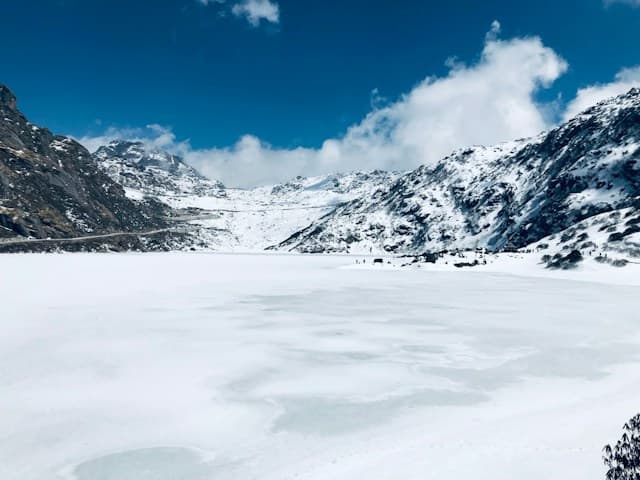
Winter can be beautiful but cold, especially in North Sikkim. Roads to places like Lachung and Yumthang may be affected by snow or local restrictions, so confirm conditions before setting out. Monastery festivals may also change dates according to the Tibetan lunar calendar, so it is worth checking locally if you want to attend a special prayer event.
Suggested Itinerary for a Cultural Sikkim Trip
If you want to understand chortens and mani walls properly, build your itinerary around a few culturally rich stops rather than trying to cover too much. A 5-6 day trip works well for most travellers coming from Indian metro cities.
- Day 1-2: Gangtok - Visit Enchey Monastery, stroll through local lanes, and note the chortens near the city outskirts.
- Day 3: Rumtek side trip - Spend half a day at Rumtek Monastery and nearby prayer structures.
- Day 4: Namchi - Explore monasteries and the spiritual sites around the town.
- Day 5: Pelling or Ravangla - Combine scenic views with monastery visits and roadside mani walls.
- Day 6: Optional North Sikkim extension - If roads and permits allow, travel towards Lachung for village mani walls and mountain landscapes.
This pace is realistic for Indian families, couples, and small groups. It also leaves time for road delays, which are common in hilly terrain. If you are booking through a travel company, ask whether monastery stops are included or if the plan is only sightseeing-focused.
Travel Costs You Should Expect
Costs in Sikkim vary depending on season, vehicle type, and hotel category. A simple cultural trip can still be comfortable without becoming expensive, especially if you travel in a group.
| Expense | Indicative Range |
|---|---|
| Budget hotel in Gangtok or Pelling | Rs.1,500-Rs.3,000 per night |
| Mid-range hotel | Rs.3,500-Rs.7,000 per night |
| Private SUV for sightseeing | Rs.4,500-Rs.9,000 per day |
| Meals for two | Rs.600-Rs.1,500 per day |
| Entry fees or donations at select sites | Rs.20-Rs.200, depending on place |
These are only indicative ranges. Road permits, fuel prices, weather disruptions, and seasonal demand can affect the final cost, so always confirm before booking.
Useful Tips for First-Time Travellers to Sikkim
Book stays early if you are travelling during school holidays, long weekends, or peak spring season. Roads in Sikkim can be winding, so keep travel days light and avoid packing too many stops into one day. If you are coming from Bagdogra or New Jalpaiguri, expect road travel to Gangtok to take around 4-6 hours depending on traffic and weather.
Carry layers even in warmer months because mountain weather changes quickly. A rain jacket, comfortable walking shoes, and a water bottle are more useful than formal clothing. For monastery and sacred-site visits, modest dress is the safest choice.
If you are taking a guided package, ask your operator whether the itinerary includes cultural stops such as Rumtek, Enchey, Pemayangtse, or small village chortens. A good Sikkim itinerary should balance sightseeing, rest, and time for respectful visits.
Frequently Asked Questions
What is the difference between a chorten and a stupa?
A chorten is the Tibetan Buddhist term for a stupa. In Sikkim, people commonly say chorten when referring to these sacred dome-shaped structures. The meaning is essentially the same, though the local word reflects the region’s Buddhist culture.
Can tourists go near mani walls in Sikkim?
Yes, tourists can visit mani walls, but they should do so respectfully. Do not touch the carved stones unnecessarily, and never step over or sit on them. Walking clockwise is the usual practice.
Are chortens and mani walls only found near monasteries?
No, you will often see them on roadside bends, at village entrances, near bridges, and on walking trails. In Sikkim, sacred structures are part of the wider landscape, not just monastery courtyards. That is one reason the state feels spiritually distinctive to many visitors.
Do I need a permit to visit these places in Sikkim?
For most general sightseeing in Sikkim, Indian travellers do not need a special permit, but some areas in North Sikkim and border regions may require permits and local rules can change. Foreign nationals have different permit requirements. Always confirm the latest rules with your travel operator before you travel.
What should I avoid doing at a Buddhist sacred site?
Avoid loud behaviour, smoking, littering, and taking casual photos of prayer rituals without permission. Do not point your feet at sacred objects or use the area like a picnic spot. A calm and respectful attitude goes a long way.
Is Sikkim good for a cultural trip as well as a scenic one?
Absolutely. Sikkim gives you mountain views, monasteries, village life, and a strong living Buddhist tradition in one trip. If you pay attention to chortens and mani walls, your journey becomes much more meaningful than a simple sightseeing circuit.
Chortens and mani walls are small in scale, but they tell you a great deal about Sikkim’s spiritual life, local customs, and everyday respect for the sacred. Once you know what to look for, your trip across Gangtok, Pelling, Namchi, or North Sikkim feels richer and more personal. If you are planning a North-East journey, make space for these quiet cultural details alongside the bigger viewpoints.
Share this post with anyone planning a Sikkim trip so they can travel with more understanding and respect.
Planning a North-East trip?
Tell us your dates and who is travelling. Up to three local travel companies send you their itinerary and price.
Get free quotesDisclaimer: The information in this blog is for general information only. We try to keep it accurate and up to date, but TravelSetu accepts no liability for errors or omissions. If you believe any part of it infringes your rights, please write to info@travelsetu.com.