If you are planning a trip to Sikkim, it helps to understand how the state’s weather is changing and what that means for your journey. This guide is for travellers who want to visit responsibly, choose the right season, and avoid surprises caused by landslides, erratic rain, sudden temperature swings, or changing mountain conditions.
Sikkim has always been a sensitive Himalayan destination, but climate change has made that sensitivity more visible. From the roads around Gangtok and North Sikkim to the valleys near Pelling, Ravangla, and Namchi, the effects show up in everyday travel decisions. Here is a practical look at what is changing, when to go, and how you can plan better.
Why Sikkim Is Feeling Climate Change So Strongly
Sikkim sits in the Eastern Himalayas, a region that warms faster than many lowland areas. When temperatures rise, even slightly, the impacts are amplified in mountains: snow melts earlier, rainfall becomes less predictable, and slopes that were already fragile can give way more easily. That is why a small shift in weather can trigger a road closure, a delayed permit, or a change in your sightseeing plan.
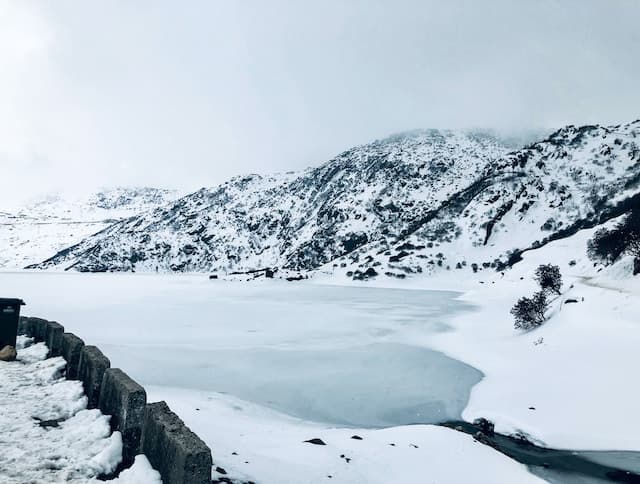
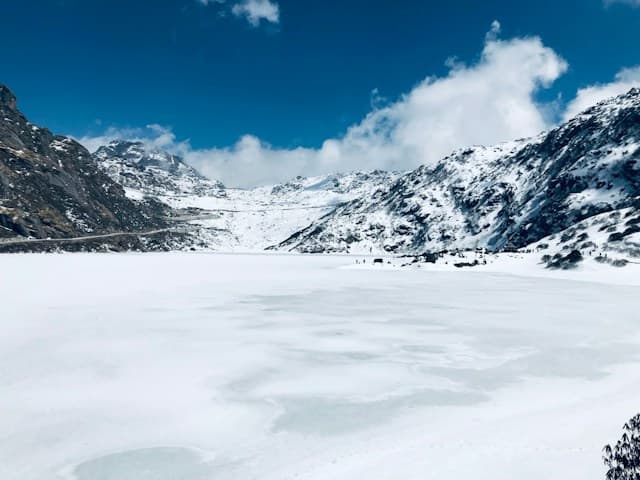
The state also has sharp elevation differences over short distances. In a few hours, you can move from warm lower valleys to cold alpine zones. This makes Sikkim beautiful, but it also means climate change affects different parts of the state in different ways. Places such as Lachung, Lachen, Tsomgo Lake, and Nathula often feel the first effects through travel disruptions and water stress.
What Travellers Notice Most: Weather Patterns That Are Changing
Unpredictable rain and landslides
One of the most visible effects is heavier or more erratic rainfall during the monsoon and shoulder months. In Sikkim, this often means landslides on mountain roads, especially on routes connecting Gangtok with North Sikkim, Pelling, and the lower districts. Even outside the peak monsoon, a wet spell can block sections for a few hours or a few days. If you are travelling in June to September, you should keep buffer time in your itinerary and stay flexible.
Milder winters, but not always more stable travel
Winter in Sikkim still brings cold weather, especially at higher altitudes, but many travellers notice that snow patterns are less predictable than before. Some years bring light snowfall to places like Yumthang Valley or Zero Point, while other years are too dry or too warm for the same experience. That does not mean winter trips are no longer worth it; it simply means you should not assume snow will be there on a fixed date.
Hotter afternoons in lower-altitude towns
Gangtok, Namchi, Melli, and other lower-elevation areas can feel warmer in the day than they once did, especially in spring and early summer. This affects sightseeing comfort, walking stamina, and even energy use in hotels and homestays. If you are sensitive to heat, plan major outdoor stops in the morning and late afternoon.
Impact on Roads, Permits, and Mountain Itineraries
Travel in Sikkim depends heavily on road conditions, and climate change has made the road network more vulnerable. A landslide on the NH10 corridor can affect access from Siliguri to Gangtok. In the north, weather can interrupt travel to Lachung, Lachen, Gurudongmar Lake, and Yumthang Valley. Even if your cab is confirmed, the final word often comes from local weather and road updates.
For travellers, this means a simpler rule: never build a Sikkim itinerary that is too tight. If you want to do Gangtok, Tsomgo Lake, Nathula, and North Sikkim in one trip, allow at least one buffer day. A 5- to 7-day trip is more realistic than a rushed 3-day plan if you want to absorb disruptions without stress. Keep copies of permits and carry a valid photo ID, since access rules may change depending on conditions.
Travel costs also rise when roads are disrupted. A local cab that normally costs Rs.3,500-Rs.6,000 for a day trip may become more expensive during high-demand weather windows or route changes. If you are booking a package, ask whether the operator offers itinerary swaps in case a destination becomes inaccessible.
Effects on Lakes, Rivers, and Water Supply
Sikkim’s lakes and rivers are directly tied to rainfall and glacial systems. As temperatures shift, water flow becomes less dependable. In practical terms, that can mean stronger river flow during heavy rain, lower water availability in some dry periods, and changes in the appearance of lake surroundings. Travellers may not see dramatic scientific changes, but they may notice murkier water after storms, or a route closure due to erosion near a riverbank.
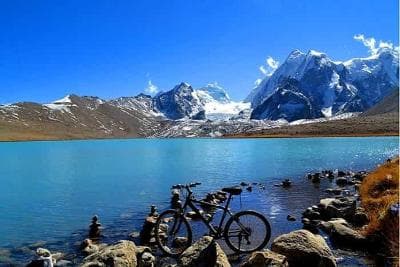
Popular destinations like Tsomgo Lake, Gurudongmar, and the Teesta valley are especially sensitive because they depend on fragile alpine and sub-alpine systems. If you are visiting in the monsoon or immediately after heavy rain, check whether your operator has confirmed access that morning. In many cases, the difference between a smooth excursion and a cancelled one is a single overnight spell of rain.
How Climate Change Is Affecting Local Communities
Agriculture and livelihoods
Many Sikkimese families rely on farming, cardamom, vegetables, fruit, and dairy. Climate change affects planting cycles, pest behaviour, and water availability. Unusual rain or warmer spells can reduce yields, while landslides can damage terrace farms and transport links. If you buy local produce or stay at a homestay, you are supporting households that are adapting to these changes in real time.
Tourism jobs and seasonal uncertainty
Tourism is one of Sikkim’s major income sources, but it is increasingly seasonal and weather-dependent. Homestay owners in places like Hee, Pelling, Rinchenpong, Dzongu, and Zuluk may see sudden cancellations when weather alerts rise. This can make income unstable, so travellers who book directly and pay fairly help strengthen the local economy.
Many communities are also shifting to more sustainable practices, such as reduced plastic use, rainwater harvesting, and local food sourcing. When you choose these properties, you are indirectly supporting climate resilience.
Best Time to Visit Sikkim if You Want Fewer Weather Disruptions
| Season | What to expect | Travel suitability |
|---|---|---|
| March to May | Clearer views, flowers, pleasant temperatures, occasional pre-monsoon showers | Good for most routes, but keep an eye on afternoon rain |
| June to September | Monsoon rain, landslides, slippery roads, limited visibility | Possible for flexible travellers, but not ideal for tight itineraries |
| October to November | Stable weather, crisp air, good mountain views | One of the best windows for travel |
| December to February | Cold weather, possible snow at higher altitudes, fog in valleys | Good if you can handle the cold and plan for route changes |
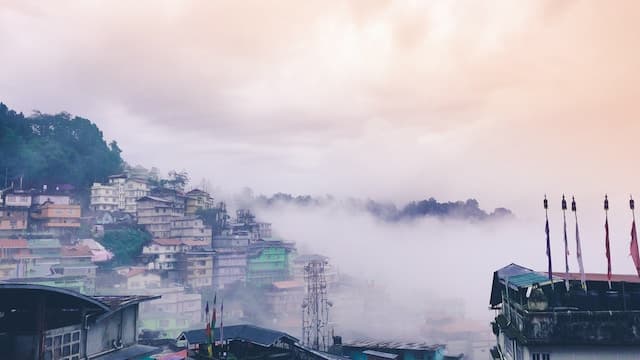
If you want the safest balance of weather and visibility, October, November, April, and early May are usually the most comfortable months. That said, mountain weather can change quickly, so always confirm local conditions a day before travel. Even in good months, early mornings can be cold in places like Pelling or Lachung, while afternoons in Gangtok may feel mild.
Smart Travel Tips for a Climate-Aware Sikkim Trip
- Keep one extra day in your itinerary in case a route closes due to rain or landslide activity.
- Book hotels with flexible cancellation or date-change options, especially in North Sikkim.
- Carry layered clothing, a rain jacket, sturdy shoes, and a power bank.
- Start road journeys early in the morning, when weather is usually more stable.
- Check the status of Tsomgo Lake, Nathula, and North Sikkim routes with your operator before departure.
- Avoid last-minute driving in heavy rain or after dark on unfamiliar mountain roads.
- Choose local transport providers who know alternate roads and village-level conditions.
It also helps to travel light. Mountain roads can get rough, and if your vehicle has to change course suddenly, fewer bags make the journey easier. For families and senior travellers, a slower itinerary with shorter hops between Gangtok, Namchi, Pelling, and Ravangla is often more comfortable than trying to cover too much ground.
Responsible Ways to Travel in Sikkim
Sikkim has already taken meaningful steps toward sustainable tourism, and you can support that direction through your choices. Use refillable bottles where possible, avoid littering at viewpoints, and respect closed routes instead of pushing for exceptions. If a lake, forest patch, or village road is marked off-limits, that restriction is often tied to slope safety, wildlife protection, or community preservation.
Try to eat local food and stay in local homestays when possible. This spreads tourism income more evenly and reduces the pressure on big transport hubs. You can also ask your guide or driver about weather-sensitive areas and local adaptation efforts; many residents have practical knowledge that is far more useful than a generic forecast.
Frequently Asked Questions
Is Sikkim still a good place to visit despite climate change?
Yes, Sikkim is still a wonderful destination, but you need to travel with more flexibility than you might in a plains destination. The mountains remain beautiful, the culture remains rich, and the food and hospitality are excellent. The main difference is that you should plan for possible weather-related delays.
Which part of Sikkim is most affected by changing weather?
North Sikkim is often the most sensitive because of its altitude, road exposure, and reliance on stable weather for access. Routes to Lachung, Lachen, Gurudongmar Lake, and Yumthang Valley are especially weather-dependent. That said, lower areas like Gangtok and the western belt can also experience landslides and rainfall disruption.
What months are safest for a Sikkim holiday?
October to November and March to May are generally the most comfortable months for travel. You are more likely to get clear views and manageable road conditions in these periods. Still, mountain weather is unpredictable, so you should always confirm locally before finalising day plans.
Should I avoid monsoon travel completely?
Not necessarily, but monsoon travel in Sikkim is best for flexible, experienced travellers who can handle route changes. If your trip is short, family-heavy, or focused on North Sikkim, the monsoon is usually not the best choice. If you do travel then, keep extra days and avoid tight onward connections.
Are climate-related road closures common in Sikkim?
They can happen, especially during or after heavy rain. Landslides, rockfall, and waterlogging may temporarily affect highways and mountain roads. This is why local updates matter so much, and why a well-planned buffer day can save your trip.
How can I support local communities while travelling?
Stay in locally run homestays, eat local meals, hire registered local cabs, and avoid single-use plastic. Paying fairly and booking responsibly helps communities cope with the uncertainty that climate change has brought. Small choices matter in mountain tourism.
Sikkim is still one of North-East India’s most rewarding destinations, but climate change has made thoughtful planning essential. If you travel with patience, flexibility, and respect for local conditions, you will enjoy the state far more and help protect it at the same time.
If this guide was useful, share it with someone planning a Sikkim trip so they can pack smarter and travel better.
Planning a North-East trip?
Tell us your dates and who is travelling. Up to three local travel companies send you their itinerary and price.
Get free quotesDisclaimer: The information in this blog is for general information only. We try to keep it accurate and up to date, but TravelSetu accepts no liability for errors or omissions. If you believe any part of it infringes your rights, please write to info@travelsetu.com.