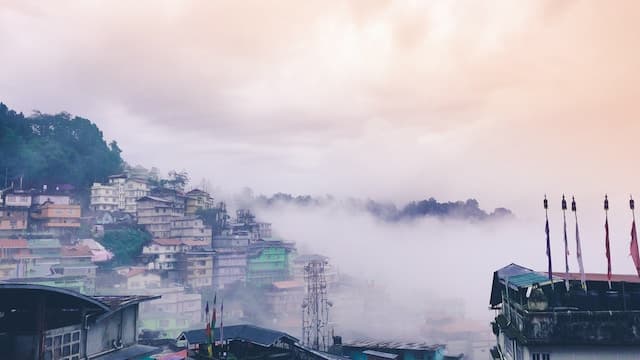
If you are planning a trip to Sikkim and want more than monasteries, mountain views and café stops, the contemporary art scene gives you a fresh way to read the state. This guide is for travellers who want to meet local artists, visit galleries and studios, and understand how Sikkim’s modern creative culture fits into a region better known for landscapes and spiritual heritage. You will come away with practical places to look for art, the best time to visit, and simple tips for adding a culture-led day to your North-East itinerary.
Why Sikkim’s Contemporary Art Scene Feels Different
Sikkim’s contemporary art is shaped by its geography and its layered cultural identity. The state is small, but it brings together Lepcha, Bhutia, Nepali and Tibetan influences, and that mix often shows up in painting, sculpture, textile work and mixed-media installations. Many artists here are responding to questions of land, identity, ecology, migration and memory, so the work can feel rooted in place even when the style is modern.
Unlike in larger metro art markets, you will not find rows of commercial galleries on every street. Instead, the scene is more intimate and personal. Exhibitions may happen in cultural centres, institutions, cafés, college spaces or private studios, especially around Gangtok. That makes the experience slower, but also more rewarding if you enjoy direct conversations with artists and curators.
Where to Begin: Gangtok as the Main Creative Hub
For most travellers, Gangtok is the best starting point. It is the state capital, well connected by road from Siliguri and Bagdogra, and it has the highest concentration of galleries, workshops and art-adjacent venues in Sikkim. You can often pair an art visit with MG Marg, local food stops and short city sightseeing without feeling rushed.
What you can expect in Gangtok
Gangtok’s art spaces are usually compact and easy to navigate in half a day. Expect curated exhibitions, student showcases, craft-based displays and occasional pop-up events rather than large permanent museum circuits. If you are lucky with timing, you may also find artist talks, film screenings or live demonstrations tied to local festivals or college programmes.
Because the scene is small, it helps to ask at your hotel, homestay or café about current shows. Locals often know about exhibitions before they are widely advertised. If you are travelling in a group, a local driver can usually help you combine art stops with nearby viewpoints or monasteries.
Important Places to Explore for Art Lovers
Sikkim does not have a huge number of dedicated contemporary art institutions, but several places are worth your time. The exact programme can change, so treat these as the kind of venues to ask about when you arrive.
| Place | Best for | Typical time needed | Indicative cost |
|---|---|---|---|
| Gangtok galleries and cultural centres | Exhibitions, local artists, workshops | 1-2 hours | Often free; workshops may cost Rs.500-Rs.2,000 |
| Private studios in and around Gangtok | Meet-the-artist visits, buying artwork | 1-2 hours | By appointment; artwork prices vary widely |
| Institutions and college spaces | Student art, photography, mixed media | 45-90 minutes | Usually free |
| Namchi and nearby cultural venues | Community-based craft and art programmes | 1-3 hours | Low entry fees or free, depending on event |
If you are interested in a broader cultural view, also look out for exhibitions connected to the Namgyal Institute area, local museums, or art shows held during state festivals. These are not always daily attractions, but they can give you a strong snapshot of what Sikkimese artists are creating right now.
What Themes Shape the Work
Contemporary art in Sikkim often reflects the state’s environment and social changes. You may see paintings with mountain landscapes, prayer flags, local architecture or forest imagery, but the point is not just decoration. Many artists use these motifs to talk about rapid urban change, tourism, youth identity and the tension between tradition and modern life.
Common mediums and styles
Painting remains important, but you will also come across acrylic works, watercolour, photography, printmaking, sculpture, textile-based art and mixed media. Some artists experiment with recycled material, natural pigments or handmade paper. Others work in a style that blends Himalayan iconography with contemporary abstraction, which can be especially striking if you enjoy art that bridges heritage and experiment.
Photography is also becoming more visible, especially in projects documenting villages, cultural practices and the changing urban edge of Gangtok. If you are interested in design, you may notice strong graphic elements in posters, booklets and event visuals too. The whole scene is still developing, and that openness is part of its charm.
How to Plan an Art-Focused Day in Sikkim
If you want a relaxed cultural day, keep Gangtok as your base and avoid trying to pack in too many stops. A practical half-day might include a late-morning gallery visit, lunch at a café, an afternoon studio meeting and an evening walk on MG Marg. That gives you time to actually absorb what you have seen instead of rushing from one place to another.
Sample one-day itinerary
- 10:00 am: Start with a gallery or cultural centre in Gangtok.
- 11:30 am: Visit a studio or exhibition space, if available by appointment.
- 1:00 pm: Lunch at a local café or restaurant in Gangtok.
- 2:30 pm: Explore a college or institution hosting a student show, if there is one.
- 4:00 pm: Spend time at a bookshop, craft store or café that supports local makers.
- 6:00 pm: End with an evening stroll on MG Marg.
If you have a full weekend, add Namchi or a nearby village stop where local craft and community events may be happening. Travel times in Sikkim can be longer than they look on a map because roads are hilly and traffic can slow down, so keep buffer time of at least 30-60 minutes between stops.
Buying Contemporary Art and Crafts
If you want to buy work directly from artists, Sikkim is a good place to start a small but meaningful collection. You may find framed paintings, prints, handmade paper pieces, postcards, textile items and small decorative works that are easier to carry home than larger canvases. Buying from the artist or through a reputable local gallery also means your money supports the local creative economy more directly.
Price ranges can vary a lot based on size, medium and the artist’s profile. Small works and prints may start around Rs.1,500-Rs.5,000, while original paintings or more established pieces can easily range from Rs.8,000 to Rs.50,000 or more. If you are shopping for a serious piece, ask about packing, authenticity notes and whether the work has been treated for travel.
Smart buying tips
- Ask about the artist’s background and the medium before you buy.
- Check whether the artwork can be rolled, framed or shipped safely.
- Carry cash as well as digital payment options, since some smaller spaces prefer it.
- If a work is delicate, request protective wrapping or shipping help.
- Do not assume prices are fixed; polite negotiation may be possible at some craft-led spaces, but not everywhere.
Best Time to Visit for Art and Culture
Sikkim can be visited year-round, but the art experience is often better when the weather is comfortable and the roads are stable. March to May and October to early December are usually the most pleasant windows for travel. These months also tend to coincide with more festivals, school programmes and public cultural events, though exact schedules change every year.
The monsoon months, roughly June to September, can still be rewarding if you do not mind rain and possible road delays. Indoor galleries and studios remain usable, but keep your plans flexible. Winter, especially late December and January, can be beautiful and crisp, though mornings and evenings can be cold and some outdoor plans may need adjustment.
How to Travel Around and What It May Cost
For an art-focused trip, local transport matters because you may need to move between hotel, gallery and studio locations rather than just sightseeing points. Shared taxis are the most economical option for many travellers, while private cabs give you more flexibility if you want to visit studios outside the city centre.
- Shared local travel: economical for short hops, but timings can be less predictable.
- Private cab for a half day: roughly Rs.2,500-Rs.4,500 depending on distance and route.
- Hotel in Gangtok: about Rs.2,000-Rs.6,000 per night for decent mid-range stays.
- Meals: Rs.300-Rs.800 per person at casual restaurants and cafés.
- Workshop or entry fee: often free to Rs.2,000 depending on the programme.
Because prices and availability change, confirm current rates before booking. If you are visiting during a festival or school holiday, accommodation in Gangtok can fill up quickly, so book early if you want a central base.
Respectful Ways to Experience the Scene
The contemporary art world in Sikkim is close-knit, so your approach matters. Always ask before photographing artworks or artists, especially in a studio. If an exhibition opening is happening, arrive on time and give space to the curators and guests. A little courtesy goes a long way in places where word-of-mouth matters more than polished promotion.
If you are invited into a studio, remember that many artists are balancing creation with teaching, commissions or community work. Ask thoughtful questions about process and inspiration rather than only focusing on prices. If you share images on social media, mention the venue or artist name only if they are comfortable with it.
Frequently Asked Questions
Is Sikkim a good destination for contemporary art lovers?
Yes, especially if you enjoy smaller, more personal art experiences rather than large commercial galleries. The scene is growing, and Gangtok offers the best access to exhibitions, studios and cultural spaces. You will likely need to plan a little more carefully than you would in a metro city, but that is part of the appeal.
Which city should I stay in for art-related travel in Sikkim?
Gangtok is the most practical base for contemporary art. It has the strongest concentration of venues, cafés, hotels and transport options. If you have extra time, you can add Namchi or nearby cultural stops as a second layer to your trip.
Are there fixed art galleries open every day?
Not always. Some spaces have regular hours, while others open for specific exhibitions, events or by appointment. It is a good idea to check locally a day before you go, especially if you want to visit a studio or attend an opening.
How much should I budget for an art-focused trip?
For a comfortable 2-3 day stay in Gangtok with a few art visits, budget around Rs.8,000-Rs.18,000 per person excluding long-distance travel, depending on your hotel category and transport choices. If you buy artwork, your total can rise quickly. A simple plan with local meals and shared taxis can be kept more economical.
Can I meet artists directly in Sikkim?
Often yes, but usually with prior arrangement. Many artists are approachable and open to conversation if you contact them through a gallery, café, workshop or local recommendation. Since the scene is relatively small, personal introductions work especially well.
Is photography allowed inside galleries and studios?
Sometimes, but not always. Always ask first before clicking photos, and avoid using flash unless you are told it is fine. If a work is for sale or under installation, the artist may prefer no photography at all.
Sikkim’s contemporary art scene is quiet, thoughtful and still evolving, which makes it especially interesting for travellers who like to look beyond the obvious. If you give yourself time in Gangtok and stay open to conversations, you will find a creative culture that reflects the state’s hills, histories and everyday life in very personal ways.
If this guide helped you plan your North-East trip, share it with someone who would enjoy exploring Sikkim through art.
Planning a North-East trip?
Tell us your dates and who is travelling. Up to three local travel companies send you their itinerary and price.
Get free quotesDisclaimer: The information in this blog is for general information only. We try to keep it accurate and up to date, but TravelSetu accepts no liability for errors or omissions. If you believe any part of it infringes your rights, please write to info@travelsetu.com.