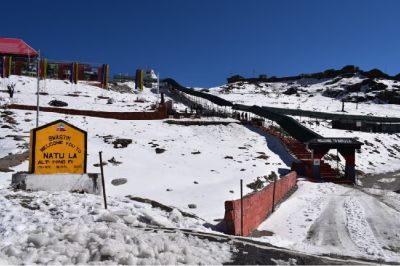
Sikkim Cultural Preservation Efforts
If you are planning a trip to Sikkim and want more than just pretty mountain views, this guide is for you. It explains how the state is working to protect its Lepcha, Bhutia, and Nepali cultural traditions, and how you can travel in a way that supports those efforts. By the end, you will know where to go, what to look for, and how to be a respectful visitor in one of North-East India’s most culturally sensitive states.
Why cultural preservation matters in Sikkim
Sikkim is small in size, but it carries a rich mix of identities, languages, faiths, and local customs. The state’s cultural preservation efforts matter because tourism, migration, urban change, and modern lifestyles can easily dilute traditions if communities do not actively protect them. In Sikkim, preservation is not just about museums and monuments; it is also about keeping oral stories, monastery rituals, local food, indigenous dress, and community festivals alive.
For travellers, this means you are not only visiting a scenic hill state. You are entering a living cultural landscape where villages, monasteries, and local institutions are trying to preserve what makes Sikkim distinct within North-East India.
The communities at the centre of preservation
Lepcha heritage
The Lepchas are widely considered the indigenous people of Sikkim. Their language, folklore, and relationship with forests and rivers form an important part of the state’s identity. Cultural preservation here often focuses on oral traditions, traditional dress, handicrafts, and protecting the use of the Lepcha script in community spaces and educational efforts.
Bhutia traditions
The Bhutia community brought strong Tibetan Buddhist influences into Sikkim’s culture. Monasteries, prayer rituals, thangka painting, and religious festivals play a major role in keeping these traditions visible. Many monasteries also act as cultural centres where younger generations learn religious music, dance, and ceremonial practices.
Nepali-Sikkimese culture
Nepali-speaking communities form a major part of Sikkim’s social fabric. Their folk songs, dances, cuisine, and festival calendar are deeply woven into everyday life. Preservation here often happens through family traditions, local associations, school programmes, and community events that keep language and music active across generations.
Key places where culture is actively preserved
Some of the best places to understand Sikkim’s preservation efforts are not luxury attractions but community spaces, monasteries, and heritage villages. If you travel with curiosity, you will notice how local life is carefully maintained alongside tourism.
| Place | What to notice | Useful travel note |
|---|---|---|
| Rumtek Monastery, near Gangtok | Monastic education, rituals, Buddhist art | Usually best visited in the morning; dress modestly |
| Namgyal Institute of Tibetology, Gangtok | Manuscripts, artefacts, research on Himalayan culture | Allow 1-2 hours; check opening hours before going |
| Dzongu, North Sikkim | Lepcha culture, village traditions, eco-sensitive tourism | Travel with local homestays and confirm permit rules in advance |
| Rabdentse ruins, Pelling area | Historical memory of the former Sikkimese kingdom | Pair with a local guide for historical context |
| Yuksom, West Sikkim | Old routes, monastery heritage, village-based tourism | Ideal for travellers interested in Sikkim’s early history |
Gangtok’s cultural institutions
Gangtok is often your first stop, and it is also where you can see preservation work in formal settings. The Namgyal Institute of Tibetology is one of the most important places for learning about Tibetan and Sikkimese Buddhist heritage. Nearby museums and cultural centres often display traditional costumes, religious objects, and historical records that help visitors understand the state’s layered past.
Monasteries as living heritage sites
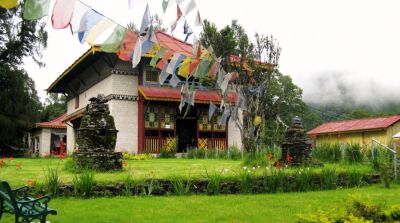
In Sikkim, monasteries are not only tourist attractions; they are active religious and educational institutions. Rumtek, Pemayangtse, Tashiding, and Enchey are among the places where ritual calendars, monastic learning, and festivals continue to support cultural continuity. When you visit, you are seeing preservation in action, not a frozen exhibit.
Festivals that keep traditions alive
Sikkim’s festival calendar is one of the strongest examples of cultural preservation because it keeps communities connected to seasonal, spiritual, and agricultural rhythms. If you can plan your trip around a festival, you will see heritage in everyday use.
- Losar - Tibetan New Year celebrations with prayer, family gatherings, and monastery rituals.
- Losoong - A major festival in December that marks the Sikkimese New Year in many communities.
- Pang Lhabsol - A unique Sikkimese festival honouring Mount Kanchenjunga and the guardian deity.
- Tendong Lho Rum Faat - A Lepcha festival tied to ancestral memory and local identity.
- Saga Dawa - A significant Buddhist observance seen across monastery communities.
Festival dates change according to lunar calendars, so you should confirm timings before booking your trip. If you want to witness a more authentic side of Sikkim, choose a festival period and stay for at least 5-7 days.
Language, literature, and oral traditions
One of the less visible but most important preservation efforts in Sikkim involves language. Lepcha, Bhutia, and Nepali all remain culturally important, and there is growing awareness that a language survives only when children hear it at home, see it in writing, and use it in public spaces. Schools, local writers, and cultural groups in Sikkim help keep traditional stories and scripts relevant.
Oral traditions are equally important. Folk tales about mountains, rivers, sacred groves, and ancestral journeys are still told in many villages. If you stay in a homestay, ask your host about local stories. Often, the most meaningful heritage lessons in Sikkim come from a conversation over tea rather than a display board.
Crafts, clothing, and food as preservation tools
Handicrafts and textiles
Traditional weaving, bamboo work, woodcraft, and thangka painting help preserve artistic skills that have been passed down for generations. In and around Gangtok, you may find government-supported or community-run craft centres where artisans continue these practices. Buying directly from local makers supports the craft economy far better than picking up mass-produced souvenirs.
Traditional dress and jewellery
During festivals and family functions, you may notice distinctive Sikkimese attire, especially among Lepcha and Bhutia communities. These clothes are not stage costumes; they are part of identity and ceremony. If you are invited to a local event, admire the dress respectfully and avoid treating people like photo props.
Local food heritage
Food preservation is also cultural preservation. Sikkimese kitchens keep alive dishes like gundruk, kinema, phagshapa, momos, thukpa, and bamboo shoot preparations. Many ingredients are still sourced locally, and homestays often serve home-style meals that reflect regional food knowledge. A practical budget for a local meal is usually around ?150-?400 per person, depending on the place.
How homestays support cultural preservation
Homestays are among the best ways to support Sikkim’s preservation efforts because they put tourism income directly into local households. In places like Dzongu, Ravangla, Yuksom, and parts of South Sikkim, family-run stays often include local food, village walks, and conversations about custom and history. Expect rates around ?1,500-?4,500 per night for a basic to comfortable homestay, though premium boutique options may cost more.
Beyond the price, the value is in the exchange. Hosts often explain ritual etiquette, nearby sacred sites, seasonal farming practices, and village history in a way a standard hotel cannot. If you want to travel responsibly, choose smaller properties that employ local people and source produce from nearby farms.
Responsible travel practices you should follow
Cultural preservation is not only the government’s job. As a traveller, your behaviour affects whether local communities feel respected or exploited. A little care goes a long way in Sikkim, especially in monastery areas and indigenous villages.
- Dress modestly when entering monasteries and religious sites.
- Ask before photographing monks, rituals, or private homes.
- Do not play loud music in village areas or during festivals.
- Buy local handicrafts directly from artisans whenever possible.
- Use registered guides in sensitive areas such as Dzongu or restricted border zones.
- Carry cash, because many smaller communities may not accept digital payments consistently.
Permit rules and access restrictions in Sikkim can change, especially in North and East Sikkim. Confirm requirements before travel, particularly if you plan to visit border areas or protected villages.
A practical 5-day cultural itinerary in Sikkim
If your main interest is cultural heritage rather than extreme sightseeing, a 5-day trip can work well. This is a comfortable pace that gives you time to explore without rushing through sacred and community spaces.
- Day 1: Arrive in Gangtok, visit the Namgyal Institute of Tibetology and a local market.
- Day 2: Explore Rumtek Monastery and nearby village areas with a local guide.
- Day 3: Head to Yuksom or Pelling for monastery heritage and historical sites like Rabdentse.
- Day 4: Stay in a homestay in West or South Sikkim and spend time learning about local food and customs.
- Day 5: If permits and timing allow, visit Dzongu or another community-focused heritage area in North Sikkim.
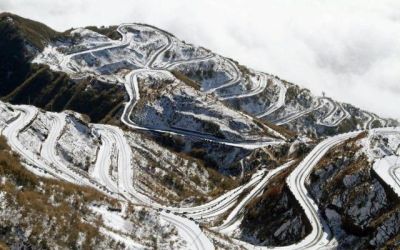
For travel between Gangtok, Yuksom, and Pelling, expect road journeys of roughly 3-6 hours depending on traffic, weather, and road conditions. In the monsoon months from June to September, build in extra time because landslides and road delays can affect movement.
Frequently Asked Questions
What does cultural preservation mean in Sikkim?
It means protecting the state’s indigenous languages, religious practices, festivals, food traditions, crafts, and village life. In Sikkim, preservation happens through monasteries, homes, schools, cultural organisations, and community events. It is a living process, not just a museum activity.
Which places are best for learning about Sikkimese culture?
Gangtok, Rumtek, Yuksom, Pelling, and Dzongu are among the best places to start. Gangtok offers museums and research centres, while Yuksom and Pelling give you historical and monastic heritage. Dzongu is especially important if you want to understand Lepcha culture.
Can I attend local festivals in Sikkim as a tourist?
Yes, visitors are often welcome at public festivals, but you should remain respectful and follow local instructions. Some events are deeply religious, so avoid pushing into restricted areas or interrupting rituals. It is best to confirm festival timings and etiquette locally before attending.
Are homestays better than hotels for cultural travel?
For cultural preservation, homestays are usually the better choice because they support local families directly and give you a more authentic experience. You also get better insight into local food, customs, and daily life. Hotels are fine if you prefer more facilities, but homestays create a stronger local connection.
What should I avoid when visiting monasteries or villages?
Avoid loud behaviour, revealing clothing, and taking photographs without permission. Do not touch ritual objects or enter private prayer spaces unless invited. In villages, it is also important not to litter or treat people’s homes like tourist exhibits.
When is the best time to plan a cultural trip to Sikkim?
March to May and October to early December are generally comfortable for travel and sightseeing. These months also work well for festival visits and village travel. If you travel in monsoon season, check road conditions carefully and keep your plans flexible.
Conclusion
Sikkim’s cultural preservation efforts are visible everywhere once you know where to look: in monasteries, homestays, village festivals, craft workshops, and the stories people share with you. If you travel thoughtfully, you do more than see the state; you help support the communities that are keeping its identity strong. Take your time, spend locally, and let Sikkim’s living heritage shape your journey.
Please share this post with fellow travellers who are planning a cultural trip to Sikkim or anywhere in North-East India.
Disclaimer : The information provided in this blog is for general informational purposes only. While we strive to keep the content accurate and updated, TravelSetu assumes no liability for errors or omissions. If you believe any part of this blog infringes your rights or causes concern, please notify us immediately at info[at]travelsetu[dot]com so that appropriate action can be taken.