If you travel with specific dietary needs, Sikkim is one of the easier North-East destinations to plan for, as long as you prepare a little before you go. This guide is for Indian travellers who need vegetarian, Jain-friendly, vegan, egg-free, halal-aware, or gluten-conscious food support and want to know what is realistically available in Sikkim, where to find it, and how to avoid awkward meal-time surprises.
You will come away with practical tips on what to pack, which towns are simplest for special diets, how to speak to hotels and homestays, and what local dishes you can safely enjoy without stress. The idea is to help you travel comfortably across Gangtok, Pelling, Ravangla, Namchi, Lachung, Lachen, and nearby circuits without treating every meal like a negotiation.
Why Sikkim is a good destination for dietary planning
Sikkim has a broad food culture shaped by Nepali, Lepcha, Bhutia, and Tibetan influences, and that actually helps travellers with restrictions. You will find plenty of rice-based meals, vegetable curries, plain dal, boiled potatoes, soups, noodles, and tea-house snacks, especially in Gangtok and tourist-friendly hill towns. At the same time, many local menus are meat-heavy, so the safest approach is to identify your needs clearly rather than assume every restaurant will understand them immediately.
The biggest advantage is that Sikkim is used to domestic tourism. Hotels, homestays, and travel operators in popular areas often know what “pure veg,” “no egg,” or “Jain food” means, especially during family holidays and pilgrimage travel. Still, remote places can have limited ingredients and fewer dining choices, so meal planning matters more on North Sikkim routes than in Gangtok or Namchi.
How different dietary needs work in Sikkim
Vegetarian travellers
Vegetarian food is widely available in Gangtok, Namchi, Pelling, and Ravangla. You can usually get thali meals, veg chowmein, veg momos, paneer dishes, plain rice with dal, aloo gobi, and simple curries. Many eateries serve meat and veg in the same kitchen, so if cross-contamination is a concern, ask for fresh oil, separate utensils, or a dedicated vegetarian restaurant.
Jain-friendly food
Jain food is possible in Sikkim, but it needs advance communication. In larger towns, some hotels and restaurants can prepare no onion, no garlic, and no root-vegetable meals if you tell them before arrival. In smaller towns, the menu may be basic, so it is wise to carry ready snacks and speak to your hotel a day in advance rather than at dinner time.
Vegan and egg-free options
Vegan travellers can manage well in Sikkim if they are clear about avoiding dairy, butter, and eggs. Rice, plain roti, some vegetable dishes, clear soups, sautéed greens, and fruit are easy to arrange in larger towns. Egg is used generously in breakfast items, baked goods, and some noodles, so ask specifically for “without egg” and confirm that butter or milk has not been added to the dish.
Halal-aware travellers
Halal-certified dining is not as common in Sikkim as in larger metro areas, and it is best not to assume certification unless the hotel or restaurant says so clearly. If halal food is important to you, plan around vegetarian meals, seafood where available, or packaged snacks from trusted sources. Carrying a few sealed items from home or buying from known suppliers in Siliguri before entering Sikkim can make your trip simpler.
Gluten-conscious travellers
Gluten-free travel is manageable but requires caution. Rice is a staple in Sikkim, which helps, but many quick meals use flour-based momos wrappers, bread, noodles, and thukpa noodles. If you need strict gluten avoidance, ask carefully about soups, sauces, and frying oil, and rely more on rice, boiled vegetables, dal, curd if tolerated, and fruit.
Best places in Sikkim for dietary support
| Place | Why it works for special diets | Practical note |
|---|---|---|
| Gangtok | Most restaurant choice, easy grocery access, better hotel kitchens | Best base for vegetarian, vegan, and Jain planning |
| Namchi | Comfortable for simple hotel meals and day-trip dining | Good for rice, dal, and veg thalis |
| Pelling | Tourist-focused hotels often handle diet requests | Give advance notice for special meals |
| Ravangla | Decent small-town options and calmer dining experience | Fewer restaurant choices than Gangtok |
| Lachung / Lachen | Basic homestays and package meals can be arranged | Carry backup snacks; menus are limited |
Gangtok is the easiest place to build a diet-friendly trip because you can stock up on packaged food, choose from multiple cafes, and speak to hotels in advance. Pelling and Ravangla are workable if you are staying in a good hotel or homestay. For North Sikkim, think of meals as pre-arranged rather than flexible, especially on road-heavy itineraries where you may not find a wide range of options for several hours.
What to eat safely in Sikkim
If you are looking for naturally compatible meals, rice is your best friend. Simple khana-style plates with dal, seasonal vegetables, aloo, saag, and curd are commonly available in many hotels and homes. In Gangtok, you can also find plain parathas, veg sandwiches, pancakes without egg in some cafes, soups, and pasta in some modern eateries, though ingredients should always be confirmed if your restriction is strict.
Some local foods can be adapted, but you need to ask clearly. Veg momos are common, yet the wrapper may include egg in some kitchens, and the filling may be cooked with butter. Thukpa can be ordered vegetarian, but the stock may not always be plain water-based unless you request it. Local teas are widely available, but if you avoid dairy, ask for black tea without milk or bring your own plant-based alternative if you depend on it daily.
Helpful phrases to use
- “Pure vegetarian, please.”
- “No egg, no meat, no fish.”
- “No onion, no garlic, and no root vegetables.”
- “Please cook separately and avoid cross-contamination.”
- “Can you make rice and vegetables without butter?”
Where to stay if food matters more than sightseeing
Your hotel choice will decide how easy your meals feel. In Gangtok, mid-range hotels and boutique stays often have more adaptable kitchens than budget guesthouses. In Pelling, Namchi, and Ravangla, many properties can prepare vegetarian plates if you tell them a few hours before dinner. Homestays can be excellent too, because the family may adjust meals more personally, but only if they understand your restrictions clearly and have the ingredients.
Expect approximate room rates of ?1,500-?3,000 per night for budget stays, ?3,000-?6,500 per night for mid-range hotels, and ?6,500-?12,000 or more per night for better-view or premium properties. Meal charges vary widely, but a basic veg meal may cost ?150-?350 per person in small towns and ?250-?600 in more polished restaurants. As always, confirm current rates before booking.
If your dietary needs are strict, it is worth choosing accommodation with breakfast and dinner included. That reduces the number of conversations you need to have every day, and it is especially useful when you are doing longer drives between Gangtok, Lachen, and Lachung.
What to carry from home
Even in a food-friendly state, a few items from home can save your day. This is especially true if you are travelling with elderly parents, children, or a family member with a medical diet. The point is not to replace local food entirely, but to give yourself reliable backups when the road is long or the kitchen is limited.
- Instant oats or porridge sachets
- Dry fruits, nuts, and roasted chana
- Tea bags or coffee sachets you already use
- Ready-to-eat meal pouches if appropriate for your diet
- Gluten-free crackers or bread substitutes if needed
- Protein bars that match your restrictions
If you are going to high-altitude routes like Lachen and Lachung, carry snacks in your day bag because meal stops can be irregular and road conditions can affect timing. Pack your own reusable spoon, water bottle, and any medication that needs to be taken with food. A simple plan goes a long way in the hills.
Sample 4-day food-friendly Sikkim plan
A short itinerary can keep meal stress low if you base yourself in the right places. For example, you could spend 2 nights in Gangtok, 1 night in Pelling or Ravangla, and then return to Gangtok or continue to a North Sikkim package only after confirming meal arrangements. This keeps your most sensitive days in the places with the best dining support.
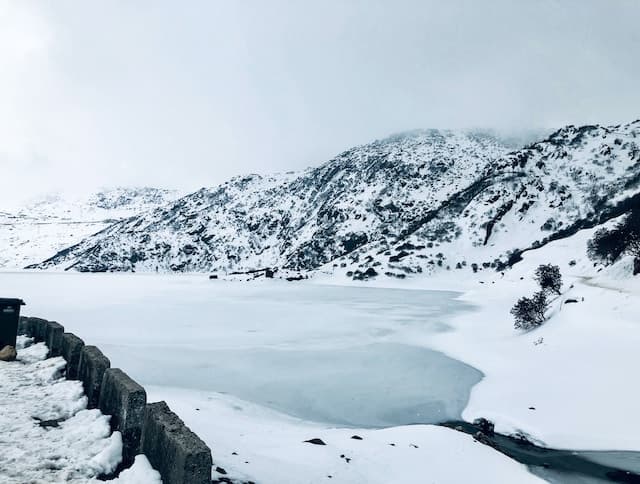
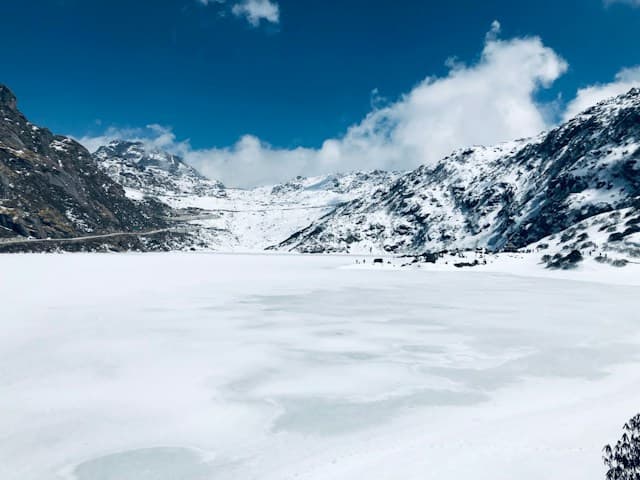
For a Gangtok-based trip, breakfast at the hotel, lunch in a vegetarian restaurant or cafe, and dinner back at the hotel works well. On day trips to Tsomgo Lake, Nathula, or Baba Mandir, carry snacks and water because options on the road may be limited and weather can affect timing. For North Sikkim, book an all-inclusive package with meal preferences mentioned clearly in writing.
Tips for booking meals in advance
- Tell your hotel your diet needs at the time of booking, not after check-in.
- Ask whether they can prepare separate utensils or a dedicated veg counter.
- Confirm breakfast items if you avoid egg, milk, or wheat.
- On remote routes, check if lunch will be at a fixed stop or a packed meal.
- Repeat your request politely when ordering, especially in small towns.
A small WhatsApp message before you arrive can help a lot. Write out your requirements in a simple list and save a screenshot so you can show it quickly if needed. This is useful when the staff changes between the booking desk, kitchen, and dining hall.
Frequently Asked Questions
Is vegetarian food easy to find in Sikkim?
Yes, especially in Gangtok, Namchi, Pelling, and Ravangla. You will find veg thalis, dal-rice, noodles, soups, and simple snacks in most tourist areas. The challenge is less about availability and more about confirming separate cooking if that matters to you.
Can I get Jain food in Sikkim?
Yes, but you should arrange it in advance. Larger hotels and some restaurants can prepare Jain meals if they have enough notice and ingredients. In smaller towns, options are limited, so carry snacks and do not assume a spontaneous order will work.
Are there halal restaurants in Sikkim?
They are not widely common, and certification is not something you should assume. If halal is essential, call ahead, ask direct questions, and lean on vegetarian meals or sealed snacks where needed. This is especially important outside Gangtok.
How do I manage food on the Gangtok to Lachung or Lachen route?
Keep your meals simple and mostly pre-arranged. Road conditions, weather, and timing can affect where you stop and what is available. Carry dry snacks and ask your operator whether meals are part of the package and if your diet note has been passed to the accommodation.
Is Sikkim suitable for vegan travellers?
Yes, if you are comfortable asking detailed questions about butter, milk, ghee, and egg. Rice, vegetables, fruits, plain breads, and some soups can work well, but many everyday dishes use dairy. Gangtok offers the most flexibility because you can compare multiple places.
What should I do if I have a severe allergy?
Inform your hotel and tour operator in writing before you travel, and carry your own medication at all times. Avoid relying only on verbal assurances in small-town kitchens. For serious allergies, stick to simple dishes in trusted hotels and ask about ingredients every time.
Conclusion
Sikkim can be a very manageable North-East trip for travellers with dietary restrictions, provided you plan meals as carefully as you plan sightseeing. Gangtok offers the most comfort, while Pelling, Namchi, and Ravangla are workable with advance notice, and North Sikkim needs the most preparation. If you communicate clearly, carry a few backups, and choose the right stay, you can enjoy the region’s food without constantly worrying about what is on your plate.
If this guide helped you, please share the post with someone planning a Sikkim trip and dietary support needs.
Planning a North-East trip?
Tell us your dates and who is travelling. Up to three local travel companies send you their itinerary and price.
Get free quotesDisclaimer: The information in this blog is for general information only. We try to keep it accurate and up to date, but TravelSetu accepts no liability for errors or omissions. If you believe any part of it infringes your rights, please write to info@travelsetu.com.