If you are planning a trip to Sikkim, a little preparation goes a long way. This guide is for Indian travellers who want to enjoy the state responsibly, stay safe on mountain roads, and know what to do if weather or travel disruptions change the plan at short notice.
Sikkim is one of the most rewarding destinations in the North-East, but it is also a high-altitude Himalayan state where landslides, sudden rain, road closures, and occasional seismic activity can affect itineraries. In the next few minutes, you will get a practical, traveller-friendly checklist on when to go, what to pack, how to move around, and how to respond if plans need to change.
Why disaster preparedness matters in Sikkim
Sikkim is beautiful, compact, and very road-dependent. Most sightseeing routes, including Gangtok to Tsomgo Lake, North Sikkim, and West Sikkim drives, rely on mountain highways that can be affected by rain, fog, snowfall, or road repair work. Even short stretches can take longer than expected, especially during the monsoon and winter.
It is not about fear; it is about being practical. If you understand the risks before you leave, you can choose the right season, keep buffer time in your plan, and avoid being stranded with a tight flight, train, or hotel connection.
Know the main risks before you travel
Sikkim’s most common travel disruptions are predictable if you know what to look for. The state is mountainous and weather changes quickly, especially above 5,000 feet. Roads can become slippery or blocked, and high passes may close without much notice.
Landslides and road blocks
The monsoon months, roughly June to September, bring the highest landslide risk on the roads leading into and within Sikkim. Even outside monsoon, intense rain can trigger small slides on hill roads. If you are travelling to North Sikkim, keep in mind that long road journeys via Gangtok, Mangan, and Chungthang can be delayed by a few hours or, occasionally, longer.
Snow, fog, and cold-weather delays
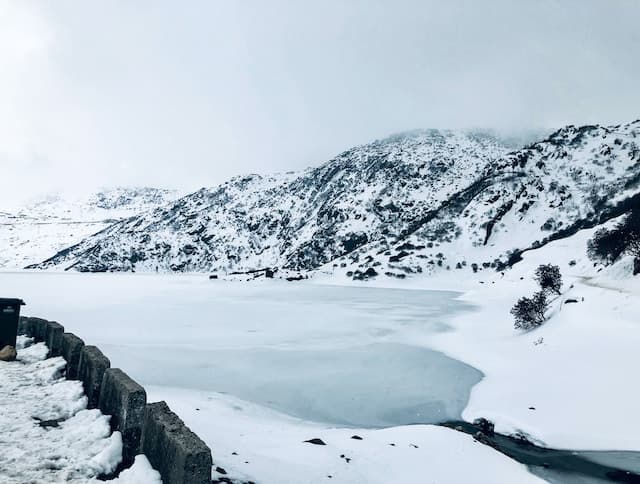
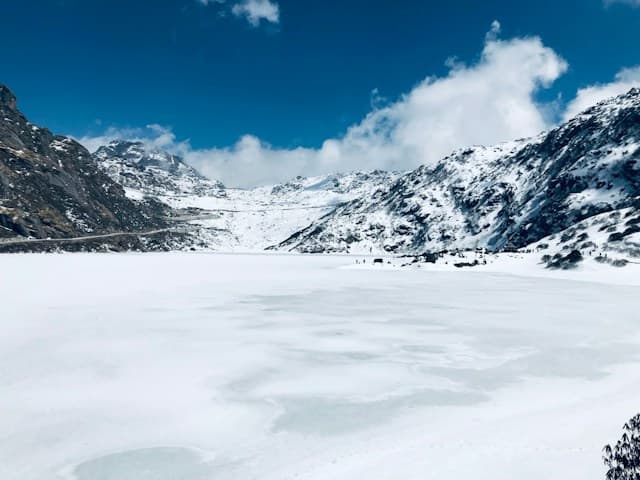
In winter, especially December to February, snowfall or black ice can affect routes to high-altitude areas such as Tsomgo Lake, Nathula if open, Yumthang Valley, and parts of Dzongu or Lachung side routes. Fog can also reduce visibility on early-morning drives, making it wise to start later or wait for road clearance if conditions look poor.
Earthquake awareness
Sikkim lies in a seismically active region, so tremors can occur. For travellers, the sensible response is simple: stay calm, move away from glass, and follow instructions from hotel staff or local authorities. Most modern hotels and transport providers are familiar with emergency procedures, but you should still know what to do.
When to visit if you want fewer weather disruptions
The best time for a smoother Sikkim trip is generally from March to May and again from October to mid-December. Spring brings clear views, flowers, and manageable temperatures, while post-monsoon months often offer better visibility and stable road conditions.
If your focus is safety and easier movement, these months usually work better than peak monsoon. That said, no season guarantees perfect conditions in the Himalayas, so always keep one buffer day in your plan if you are booking a tight itinerary.
| Season | Typical Travel Conditions | Preparedness Tip |
|---|---|---|
| March to May | Pleasant weather, good visibility, occasional showers | Carry a light rain jacket and sun protection |
| June to September | Heavy rain, landslides, road delays | Keep extra days and avoid tight same-day transfers |
| October to mid-December | Clear skies, cool nights, generally reliable travel | Book early for popular routes and pack warm layers |
| Late December to February | Cold weather, possible snow and icy roads at higher altitudes | Check road status before heading to high passes |
How to build a safe Sikkim itinerary
The biggest mistake travellers make is packing too much into too few days. Sikkim needs breathing room. If your trip includes Gangtok, East Sikkim attractions, and North Sikkim, plan for at least 6-8 days so that you can absorb one weather delay without losing the entire holiday.
For example, a practical itinerary could be 2 nights in Gangtok, 1 night around the Tsomgo Lake route if allowed by your permit and weather, 2 nights in Lachung or Lachen area, and 1-2 nights back in Gangtok or Pelling before departure. If roads are disrupted, you can reshuffle sightseeing rather than cancel everything.
Always avoid booking an early-morning flight out of Bagdogra on the very next day after a North Sikkim return drive. The road journey from Lachung or Lachen back to Gangtok itself can take most of the day, and the drive from Gangtok to Bagdogra is commonly several hours more, depending on traffic and road conditions.
What to pack for disaster readiness
You do not need expedition gear for every Sikkim trip, but you do need a sensible mountain kit. Weather changes quickly, mobile networks can weaken in remote stretches, and local shops may not stock everything you need at short notice.
- Warm layers: thermal innerwear, fleece, and a windproof jacket, especially from October to April.
- Rain protection: a compact raincoat or poncho and waterproof cover for your backpack.
- Medicines: your regular prescriptions, paracetamol, motion-sickness tablets if needed, and any altitude-related medication advised by your doctor.
- Documents: ID proof, printed hotel bookings, and permits if your operator advises you to carry copies.
- Power backup: a charged power bank, flashlight, and spare batteries for emergencies.
- Snacks and water: dry snacks, nuts, glucose biscuits, and a reusable bottle.
- Cash: keep some cash handy, as card machines and network-based payments may fail in remote pockets.
If you are travelling with children or senior citizens, pack even more conservatively. A scarf, woollen cap, extra socks, and a basic first-aid kit can make a big difference on a cold roadside stop or during a long delay.
Road safety and transport tips in Sikkim
Sikkim’s public and private transport options are practical, but the roads deserve respect. Most travellers use shared taxis or private cabs from Gangtok, Siliguri, or Bagdogra, and the quality of the journey depends heavily on weather, driver experience, and the time of departure.
Choose experienced local drivers
A driver who knows the mountain roads, check-posts, and alternate routes can save you time and stress. For North Sikkim and high-altitude day trips, use a local operator familiar with the current route status rather than insisting on a fixed plan from weeks ago.
Travel earlier in the day
Morning departures are usually safer than late starts. Roads are often more stable before afternoon rain or fog sets in, and you have a better chance of reaching your destination before dark. Try to avoid night drives unless absolutely necessary.
Keep buffer time for every transfer
If your permit, hotel check-in, or onward transport depends on reaching a place by a fixed hour, build in a margin of at least 2-3 hours. In mountain travel, a small delay can snowball quickly.
Permits, mobile connectivity, and local rules
Some parts of Sikkim, especially near sensitive border areas and high-altitude tourism routes, require permits for Indian travellers. Rules can change, and access depends on current conditions, so confirm before you book. A reliable local travel operator or your hotel can usually advise what is needed for your specific itinerary.
Mobile coverage can be patchy outside Gangtok and main towns. In many remote stretches, Jio, Airtel, or BSNL may work intermittently, but one network may be stronger than another. Do not assume you will always have internet to check maps or make payments. Download offline maps, share your itinerary with a family member, and keep hotel contact numbers saved on paper as well as on your phone.
What to do if the weather turns bad
If rain intensifies or the roads close, stay where you are and follow local guidance. The safest choice is usually to wait for official clearance rather than trying to force a journey through a blocked or unstable route. Mountain roads are often reopened after checks, but that takes time.
If you are already on the road, keep your seatbelt fastened, avoid unnecessary movement outside the vehicle, and do not press the driver to take unsafe shortcuts. If a hotel loses power, use your flashlight sparingly and keep your phone charged. If there is any tremor or emergency announcement, move calmly and ask staff for instructions.
In the rare case that you are cut off for several hours, preserve battery, keep warm, and ration food and water. A calm response is always better than panic. Most situations in Sikkim improve once the weather shifts or road teams clear the route.
Responsible travel habits that help during emergencies
Preparedness is not only about your own comfort. The way you travel can also reduce pressure on local communities and rescue teams. Avoid littering on roadsides, do not block narrow mountain lanes for photos, and respect closed roads or no-entry signs. Those signs are often there because the slope is unstable or the route is under repair.
Buy supplies in towns rather than depending on remote areas for last-minute essentials. Support local hotels and drivers who follow safe operating practices. And if your guide or driver suggests changing plans because of weather, listen carefully. They are usually responding to conditions you cannot see from inside the car.
Frequently Asked Questions
Is Sikkim safe to visit during the monsoon?
Yes, but only if you are flexible and prepared for delays. Monsoon travel in Sikkim can be disrupted by landslides, waterlogging, and road closures, especially on hilly stretches. If you travel in this season, keep spare days in your plan and avoid very tight connections.
Do I need special medicines for a Sikkim trip?
Not everyone needs altitude medication, but travellers with a history of breathlessness, heart conditions, or severe motion sickness should speak to a doctor before going. It is smart to carry your regular medicines, a basic first-aid kit, and anything your doctor recommends based on your health profile.
What should I do if I feel unwell at high altitude?
Rest, drink water, and avoid climbing further until you feel better. If symptoms such as headache, nausea, dizziness, or unusual shortness of breath worsen, descend to a lower altitude and seek medical help. Do not try to “push through” severe symptoms in the mountains.
Can I rely on mobile networks everywhere in Sikkim?
No, not entirely. Coverage is usually better in Gangtok and larger towns, but it can become weak or disappear in remote valleys and high passes. Download important details in advance and inform someone of your route before you leave.
Should I book all hotels in advance?
For peak season and popular routes, yes, advance booking is wise. If your plan includes North Sikkim or weather-sensitive travel, make sure your bookings allow some flexibility or talk to your operator about rescheduling options. Confirm cancellation and change policies before payment.
Is it better to use a travel package for Sikkim?
For first-time visitors, a package can reduce stress because transport, permits, and route planning are handled more smoothly. This is especially useful in weather-sensitive areas where local coordination matters. Just make sure the operator is experienced with Sikkim road conditions and gives realistic advice, not just fixed promises.
Sikkim is one of the most memorable destinations in the North-East, and it rewards travellers who plan with care. If you respect the weather, keep a buffer in your itinerary, and pack with mountain conditions in mind, you can enjoy the journey with far less stress.
Please share this post with friends or family planning a Sikkim trip so they can travel better prepared too.
Planning a North-East trip?
Tell us your dates and who is travelling. Up to three local travel companies send you their itinerary and price.
Get free quotesDisclaimer: The information in this blog is for general information only. We try to keep it accurate and up to date, but TravelSetu accepts no liability for errors or omissions. If you believe any part of it infringes your rights, please write to info@travelsetu.com.