If you are planning a trip to Sikkim or simply want to understand the region better, knowing its earthquake history is a useful part of the picture. This article gives you a clear overview of why Sikkim is seismically active, the major earthquakes that shaped local memory, and what that means for travellers today in Gangtok, Pelling, Lachung, Lachen, Namchi, and other parts of the North-East.
Why Sikkim Has a Long Earthquake History
Sikkim sits in one of the most active seismic belts in India. The state lies along the Himalayan collision zone, where the Indian plate continues to push into the Eurasian plate. That slow but powerful geological movement creates regular tremors across the wider North-East, including Sikkim, parts of North Bengal, and neighbouring Bhutan and Nepal.
For travellers, this does not mean Sikkim is unsafe to visit. It does mean the state has a long memory of earthquakes, and local buildings, roads, and disaster response systems are designed with that reality in mind. If you are booking a holiday here, it helps to understand that seismic risk is part of life in the Himalayas, just like landslides during the monsoon and heavy snowfall in winter at higher altitudes.
Major Earthquakes That Marked Sikkim
Sikkim’s earthquake history includes several significant events, though the region experiences many minor tremors that often go unreported by visitors. A few major earthquakes stand out because they caused damage across Sikkim and the surrounding Himalayan belt.
The 1897 Great Assam Earthquake
One of the most famous earthquakes affecting the North-East was the 1897 Great Assam Earthquake. Its effects were felt across a wide region, including parts of the eastern Himalayas. While today’s Sikkim was under different administrative conditions at the time, the event remains important in understanding the broader seismic history of the area. It is remembered as one of the strongest earthquakes in Indian history and helped shape later thinking about Himalayan risk.
The 1934 Bihar-Nepal Earthquake
The 1934 earthquake in Bihar and Nepal also impacted the wider Himalayan region. Sikkim felt the shaking, and the event reinforced the idea that the region is tied to large tectonic systems that do not respect state boundaries. Even if the epicentre was elsewhere, the tremors were strong enough to remind residents and planners in Sikkim that preparedness matters across the entire North-East corridor.
The 2011 Sikkim Earthquake
The most recent major earthquake many travellers hear about is the 2011 Sikkim earthquake. This event was widely felt across Sikkim, North Bengal, and parts of Nepal and Bhutan. The shaking damaged infrastructure in several places, triggered landslides, and caused serious disruption to roads and communication in higher reaches. In tourist areas, the quake became a turning point in conversations about slope stability, road safety, and building resilience.
For many visitors, this is the earthquake that most directly influences travel planning today. It led to greater awareness about the safety of hotels, bridges, mountain roads, and the need to avoid overconfident scheduling in remote areas where weather and terrain can already make travel unpredictable.
How Earthquakes Have Shaped Life in Sikkim
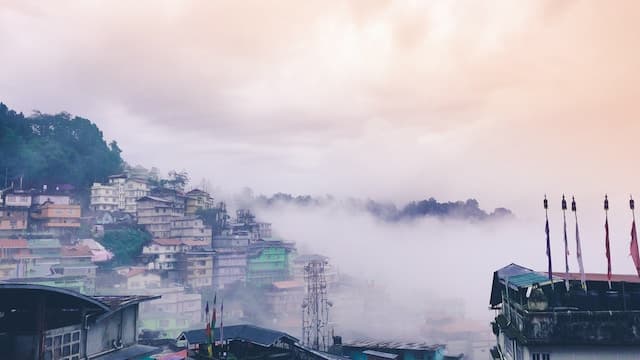
Earthquakes have influenced Sikkim far beyond headlines. They have affected how buildings are made, how roads are maintained, and how communities think about daily safety. In hill districts such as Gangtok, Namchi, Mangan, and Gyalshing, construction has gradually adapted to seismic realities, though quality can still vary widely from one property to another.
In rural stretches near places like Ravangla, Yuksom, Chungthang, and Dzongu, the effects can be more complex. Slopes may become unstable after strong shaking, and roads can be blocked by small landslides. This is one reason why travel in Sikkim often needs extra buffer time. A drive that looks like 90 minutes on paper can easily take 2 to 3 hours if the weather turns or if there is roadwork after a tremor.
Impact on Heritage and Local Settlements
Sikkim’s monasteries, old houses, and traditional settlement patterns have all had to adapt. Some religious and cultural sites have been repaired or strengthened over time, while others continue to face maintenance challenges because of age, moisture, and seismic stress. When you visit places such as Rumtek Monastery, Pemayangtse Monastery, or the monasteries around Phodong and Enchey, you may notice that restoration is an ongoing process rather than a one-time task.
Impact on Tourism Infrastructure
Earthquake awareness has also influenced tourism development. Better hotels in Gangtok, Pelling, and Lachung often follow more careful construction standards than older properties. That said, not every place advertised online will be equally well maintained. If you are travelling with family, older adults, or small children, it is wise to ask about the building’s age, access roads, backup power, and emergency protocols before booking.
What Travellers Should Know About Safety Today
If you are visiting Sikkim now, the key is not fear but preparedness. Most trips go smoothly, and thousands of travellers explore the state every year without any seismic incident affecting their plans. Still, a little caution helps, especially in remote areas where phone signals can be weak and road access may be limited.
- Choose reliable stays: Prefer hotels and homestays with good reviews, clear access roads, and visible safety practices.
- Keep flexible plans: Build at least one buffer day if your itinerary includes North Sikkim, Yumthang Valley, or other high-altitude routes.
- Carry essentials: Keep a torch, power bank, water, snacks, and a basic medicine kit.
- Follow local advice: If road conditions change after a tremor, listen to drivers, police, and local authorities.
- Check before you move: Transport availability and permit rules can change, especially for border and high-altitude zones.
In case of an earthquake while you are travelling, move away from glass, loose fixtures, and steep edges. If you are inside a building, take cover under sturdy furniture if possible, and do not rush to the staircase during shaking. If you are outdoors, stay clear of walls, poles, and landslide-prone slopes. Once the shaking stops, wait for instructions and avoid unnecessary movement on mountain roads until local conditions are checked.
Best Time to Visit Sikkim With Seismic and Weather Conditions in Mind
Earthquake risk exists year-round, so there is no “earthquake-free” month. What you can do is choose a season when road conditions are generally friendlier. For most travellers, March to May and October to early December are the most comfortable windows for Sikkim. These months usually offer better visibility, pleasant daytime temperatures, and more manageable road travel than the monsoon period.
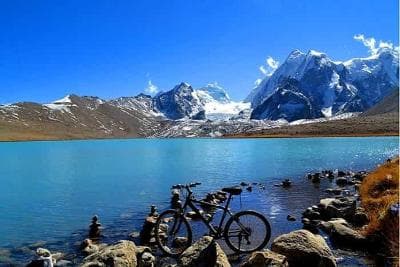
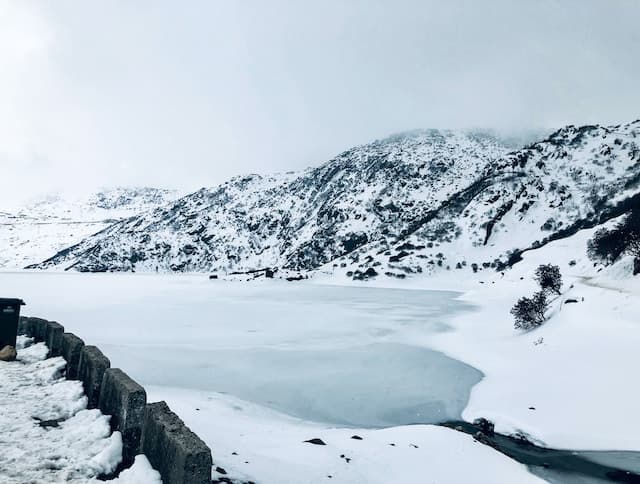
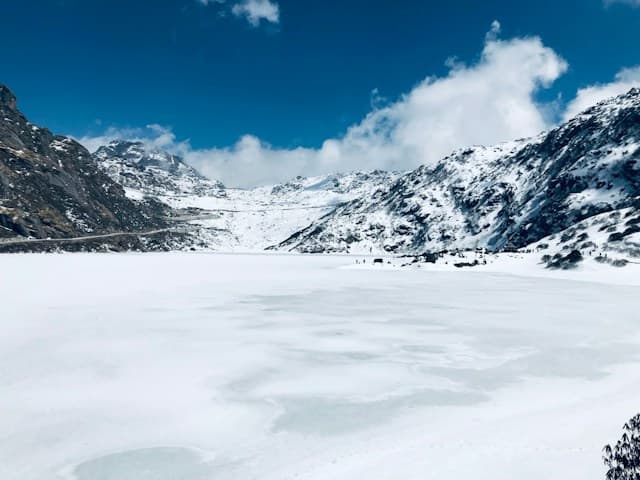
From June to September, rain increases the risk of landslides and road closures, which can make any emergency situation more complicated. In winter, especially from late December to February, high-altitude areas may face snow-related delays. If you are heading to places like Nathula, Gurudongmar Lake, Zero Point, or Tsomgo Lake, always confirm access rules and weather-related closures just before travel.
Practical Trip Planning for the North-East
Because this article is about Sikkim within the wider North-East context, it helps to see earthquake awareness as part of smart hill travel rather than a separate concern. Sikkim works beautifully as a 6- to 8-day trip when paired with a careful pace and realistic road expectations.
| Travel Area | Typical Stay | Indicative Cost | Planning Note |
|---|---|---|---|
| Gangtok | 2-3 nights | Rs.2,500-Rs.6,500 per night | Good base for first-time visitors; easier access to services and hospitals |
| Pelling | 1-2 nights | Rs.2,000-Rs.5,500 per night | Good for west Sikkim sightseeing and calmer hill stays |
| Lachung / Lachen | 1-2 nights each | Rs.3,500-Rs.8,000 per night | Remote, permit-dependent, and highly weather-sensitive |
| Namchi / Ravangla | 1-2 nights | Rs.2,000-Rs.4,500 per night | Useful for a slower southern Sikkim circuit |
Transport costs can also vary widely. A private car from Bagdogra or New Jalpaiguri to Gangtok may cost around Rs.3,500-Rs.6,500 depending on season, vehicle type, and route conditions. Local sightseeing vehicles are usually priced separately by route and duration. Since roads can change quickly after heavy rain or tremors, confirm prices and availability close to your travel date.
How Sikkim’s Seismic Past Shapes Responsible Tourism
Travelling responsibly in Sikkim means respecting both the landscape and the people who live with its risks every day. Avoid treating earthquakes as a curiosity. For local communities, they are part of memory, planning, and resilience. If you stay in a homestay, your hosts may share practical advice about the safest times to travel, road conditions, and what to do if there is an alert.
It also helps to support operators who work carefully rather than aggressively. Smaller groups, sensible driving schedules, and realistic itineraries reduce pressure on roads and local services. This is especially important in places where a single road can connect entire villages to the rest of the state.
Frequently Asked Questions
Is Sikkim safe for tourists despite its earthquake history?
Yes, Sikkim is generally safe for tourists when you travel with normal hill-country caution. Earthquake history is real, but it does not mean every trip is risky. The more common travel issues are road delays, landslides in the monsoon, and weather-related closures in higher altitude areas.
Which parts of Sikkim are most affected by earthquakes?
Earthquakes can be felt across the state, but the impact depends on building quality, slope conditions, and proximity to the epicentre. Higher and more remote areas may face added risk because road access can be affected by landslides or falling debris. Towns like Gangtok, Pelling, and Namchi are better connected, though they are not immune.
Should I avoid Sikkim because of earthquakes?
No, you do not need to avoid Sikkim. Instead, plan smartly, choose reliable accommodation, and stay aware of weather and road updates. Most travellers enjoy the state without any seismic disruption to their trip.
What should I do if I feel an earthquake while travelling in Sikkim?
Stay calm and move away from windows, loose objects, and steep edges. If you are indoors, take cover and wait until the shaking stops before moving outside. If you are on a road or in an open area, follow the instructions of your driver or local authorities and avoid rushing onto unstable slopes.
Are there special permits because of earthquake risk?
No special permits are issued specifically because of earthquakes. However, some tourist zones in Sikkim, especially near border areas, do require permits under regular travel rules. These rules can change, so confirm the latest requirements before booking.
When is the best time to plan a Sikkim trip with fewer weather disruptions?
March to May and October to early December are usually the most convenient periods for travel. These months often offer clearer roads and better visibility than the monsoon season. Even then, it is wise to keep one buffer day in your itinerary for mountain travel.
Conclusion
Sikkim’s earthquake history is part of its identity as a Himalayan state in the North-East, and understanding it makes your trip more thoughtful and better prepared. You can still enjoy the monasteries, valleys, lakes, and hill towns with confidence if you travel with awareness, flexibility, and respect for local conditions.
If you found this guide useful, please share this post with other travellers planning a Sikkim trip.
Planning a North-East trip?
Tell us your dates and who is travelling. Up to three local travel companies send you their itinerary and price.
Get free quotesDisclaimer: The information in this blog is for general information only. We try to keep it accurate and up to date, but TravelSetu accepts no liability for errors or omissions. If you believe any part of it infringes your rights, please write to info@travelsetu.com.