Sikkim Farm to Table Dining
If you are planning a North-East trip and want more than just scenic drives and hotel buffets, Sikkim’s farm-to-table dining scene is a smart place to start. This guide is for travellers who want to eat close to the source, understand what grows in Sikkim, and know where to look for fresh, seasonal meals that feel local rather than generic.
In the next few minutes, you will get a practical sense of what farm-to-table means in Sikkim, where to try it around Gangtok, Ravangla, Temi, Pelling and beyond, what dishes to ask for, and how much to budget. You will also find a few planning tips so your food stops fit neatly into a Sikkim itinerary.
What Farm-to-Table Means in Sikkim
In Sikkim, farm-to-table is not just a restaurant trend. It is closely tied to the state’s agricultural identity, small family farms, organic produce, and seasonal cooking. Many kitchens source vegetables, greens, cheese, dairy, mushrooms, grains, and herbs from nearby farms or from their own gardens, which is why menus often change with the weather.
The idea works especially well in Sikkim because travel distances are manageable. A lunch in Gangtok can include ingredients grown in nearby villages, while stays in South Sikkim or West Sikkim may serve produce harvested that morning. You should still check whether a place truly sources locally, since some “farm-style” menus are more a presentation than a sourcing practice.
Why Sikkim Is Ideal for Food-Led Travel
Sikkim is one of the best states in India for travellers who care about where their food comes from. The state’s strong organic farming reputation, cool climate, and varied elevation make it possible to grow leafy vegetables, cardamom, oranges, kiwi, cherry tomatoes, beans, maize, and tea across different regions.
For you, this means meals that taste notably fresher than standard hill-station fare. It also means that the food experience changes by district: East Sikkim around Gangtok feels more café-driven, South Sikkim around Temi and Ravangla leans toward plantations, gardens, and homestays, while West Sikkim often gives you village kitchens and quieter rural settings.
Best Places in Sikkim for Farm-to-Table Dining
Gangtok and East Sikkim
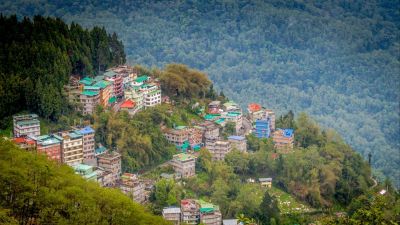
Gangtok is the easiest starting point if you are coming into Sikkim by road from Siliguri or Bagdogra. Here, you will find modern cafés and restaurants that work with local produce, along with homestays in nearby villages where home-cooked meals are the main attraction. Ask for nettle soup, local greens, churpi-based dishes, or seasonal vegetable thukpa, especially in smaller family-run kitchens.
Gangtok is also useful because it lets you combine food stops with day excursions. A short drive to villages around the capital can lead to lunch tables where the owner may have harvested vegetables from a kitchen garden that morning. If you are short on time, this is the most practical area to try farm-inspired dining without going deep into rural Sikkim.
Temi and South Sikkim
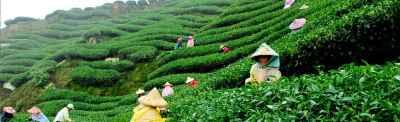
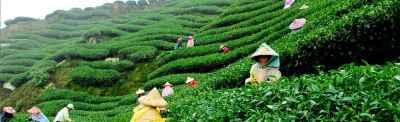
Temi is often associated with tea, but the broader South Sikkim belt is excellent for food-first travel. Around Temi, Namchi, and Ravangla, you will find stays that serve seasonal vegetables, tea, homemade pickles, rice, and local meat dishes prepared in small batches. Tea garden visits pair naturally with lunches built around local ingredients, especially in the cooler months from October to April.
This part of Sikkim suits travellers who want slower meals and fewer crowds. The roads are usually scenic but winding, so plan enough time. A Gangtok to Ravangla drive can take around 4-5 hours depending on traffic and road conditions, which makes an overnight stay more comfortable if you want to do food stops properly.
West Sikkim: Pelling, Yuksom and Nearby Villages
West Sikkim gives you more of the rural homestay experience. Around Pelling and Yuksom, the best food is often found at family-run properties where meals are made to order and the ingredients come from nearby farms or village suppliers. You are more likely to get a set meal rather than a long menu, but that is part of the appeal.
Expect hearty plates: local rice, dal, seasonal vegetables, fermented items, and sometimes millet-based dishes. If you are staying in a homestay, ask in advance whether they can arrange a garden tour or a cooking session. The area is best reached with a flexible itinerary, since public transport is slower and the roads can take longer than you expect.
What to Eat: Local Dishes and Seasonal Ingredients
Sikkimese food has strong Nepali, Lepcha, Bhutia and Tibetan influences, and the farm-to-table experience becomes richer when you look beyond the usual momo-and-thukpa combination. Many kitchens highlight ingredients that are easy to overlook in cities but very common in village cooking.
- Sael roti with chutney or curry for breakfast or tea-time
- Phagshapa for travellers who want a pork dish with local spice and chilli
- Gundruk, the fermented leafy green preparation that appears in soups and side dishes
- Kinema, fermented soybean, often cooked with greens or served with rice
- Churpi in different forms, from chewy snacks to cooked preparations
- Seasonal vegetable thali with spinach, mustard greens, beans, radish, squash and local herbs
- Local tea and herbal infusions with mint, lemongrass or garden herbs
In spring, expect fresh greens and vegetables. In autumn and winter, dishes become heartier, with more soups, stews, fermented sides, and mountain comfort food. If you are traveling with children or elderly family members, simpler rice-and-vegetable meals are easy to arrange in many homestays.
How to Plan a Food-Focused Sikkim Itinerary
For most travellers, a 5- to 7-day Sikkim trip is enough to combine sightseeing with farm-to-table dining. If you want a relaxed pace, split your stay between Gangtok and South Sikkim, then add a night in Pelling or Yuksom if you want more rural meals.
- Days 1-2: Reach Gangtok, settle in, and try local cafés or a homestay dinner.
- Day 3: Take a short village excursion near Gangtok for a garden lunch or local meal.
- Day 4: Move to Temi, Namchi, or Ravangla for tea estate views and slower meals.
- Days 5-6: Continue to Pelling or Yuksom for homestay cooking and seasonal produce.
- Day 7: Return toward Gangtok or Siliguri, leaving buffer time for road delays.
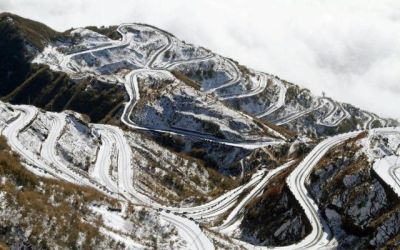
Road travel in Sikkim is beautiful but slower than map apps suggest. A short-looking 40-km stretch may take 2 to 3 hours due to bends, weather, and traffic. Build in margins, especially during monsoon months from June to September when landslides and roadblocks are more common.
What Farm-to-Table Dining Costs in Sikkim
Food prices vary by location and property style. A casual local meal in a small restaurant may cost ?250-?500 per person, while a good café meal in Gangtok can run ?500-?900 per person. Homestay meals are often bundled with the room, but if priced separately, they may be around ?300-?700 per person depending on the spread and whether meat is included.
| Experience | Indicative cost | What you usually get |
|---|---|---|
| Local café meal in Gangtok | ?500-?900 per person | Soup, rice bowl, momos, tea, seasonal specials |
| Homestay lunch or dinner | ?300-?700 per person | Home-cooked thali, vegetables, rice, dal, local sides |
| Tea estate or garden visit with meal | ?800-?1,500 per person | Tasting, guided visit, and a set meal or snacks |
| Farm stay with meals included | ?2,500-?5,500 per night | Room plus breakfast and often one or two meals |
These are only indicative ranges. Confirm the current menu, taxes, and meal inclusions before booking, especially in peak travel months like April-May and October-December.
Where to Stay for the Best Food Experience
If food is part of the reason you are visiting, choose stays that mention home cooking, local sourcing, kitchen gardens, or community dining. In Gangtok, boutique stays and smaller hotels may offer better local menus than large chain properties. In South and West Sikkim, homestays are usually the strongest option because the family kitchen is part of the experience.
When you enquire, ask these questions: do they serve fixed meals or a la carte; can they arrange vegetarian, egg-based, or non-vegetarian local food; and do they source vegetables from their own garden or nearby farms? A quick call before booking can save you from disappointment later.
Best Time to Go for Fresh Produce and Comfortable Weather
The most comfortable seasons for farm-to-table travel in Sikkim are March to May and October to December. Spring is ideal for fresh greens, flowering landscapes, and moderate temperatures. Autumn brings clear views, crisp air, and excellent conditions for tea garden and village stays.
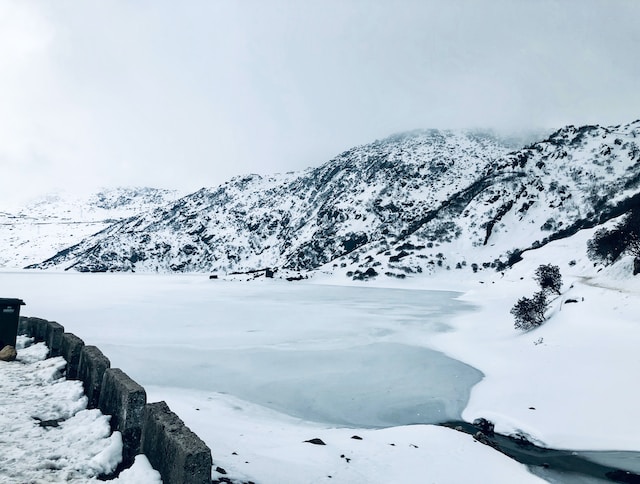
June to September is the monsoon period, when the landscape is lush but road conditions can be unpredictable. Winter from late December to February is good for cosy meals and soups, especially at lower elevations, but some areas may feel cold enough to limit outdoor farm activities. If your focus is food and slow travel, spring and autumn are the easiest months to plan around.
Practical Tips for Travellers
- Book meals in homestays in advance if you want specific dietary preferences.
- Carry small cash, because some village properties may not accept digital payments reliably.
- Ask about road access before reserving a remote stay, especially during monsoon.
- Be open to fixed menus; in farm-to-table settings, that usually means better seasonal cooking.
- Try breakfast in your stay at least once, since many local kitchens do their best work early in the day.
- If you are vegetarian, tell the host clearly, as some dishes may use fermented ingredients or meat-based stock.
Frequently Asked Questions
Is Sikkim good for farm-to-table dining?
Yes, Sikkim is one of the best places in India for this style of dining because local produce, homestays, and seasonal cooking are deeply rooted in everyday life. You will find the strongest experiences in Gangtok, South Sikkim, and West Sikkim. For the most authentic meals, prefer smaller properties and family-run kitchens.
Which area in Sikkim is best for food lovers?
Gangtok is best if you want variety and easy access, while Temi, Ravangla, Pelling, and Yuksom are better if you want a slower, more local experience. If you want a balance of comfort and authenticity, split your time between Gangtok and one rural district. That way you get both café-style dining and home-cooked meals.
How much should I budget for food in Sikkim?
For daily meals, a practical budget is around ?800-?1,500 per person if you mix cafés, local restaurants, and homestay meals. If you stay at a farm stay with meals included, your food cost may be partly covered in the room rate. Special tasting meals or tea estate experiences can cost more, so confirm inclusions before you book.
Can vegetarians enjoy farm-to-table food in Sikkim?
Absolutely. In fact, Sikkim is very friendly for vegetarian travellers because there is a strong tradition of vegetable curries, soups, greens, fermented dishes, rice, and dairy-based items. Just tell your host clearly if you avoid onion, garlic, eggs, or non-vegetarian stock so they can adjust the meal.
Is it easy to find local food outside Gangtok?
Yes, but the format changes. Outside Gangtok, the best food is often in homestays or small local kitchens rather than in formal restaurants. In villages and smaller towns, you may not get a long menu, but the meal is often fresher and more seasonal.
Do I need to book food experiences in advance?
For homestays and farm stays, it is wise to book in advance, especially in peak seasons. If you want a tea garden visit, a farm lunch, or a cooking session, check availability before reaching the area. Walk-in dining is easier in Gangtok, but rural food experiences are best arranged ahead of time.
Sikkim farm-to-table dining works best when you slow down and let the season guide your meals. If you build your trip around a couple of districts rather than rushing from place to place, you will taste the state in a more honest and memorable way.
If this guide helped you plan a food-focused Sikkim trip, share the post with someone who enjoys travelling for good meals and local experiences.
Disclaimer : The information provided in this blog is for general informational purposes only. While we strive to keep the content accurate and updated, TravelSetu assumes no liability for errors or omissions. If you believe any part of this blog infringes your rights or causes concern, please notify us immediately at info[at]travelsetu[dot]com so that appropriate action can be taken.