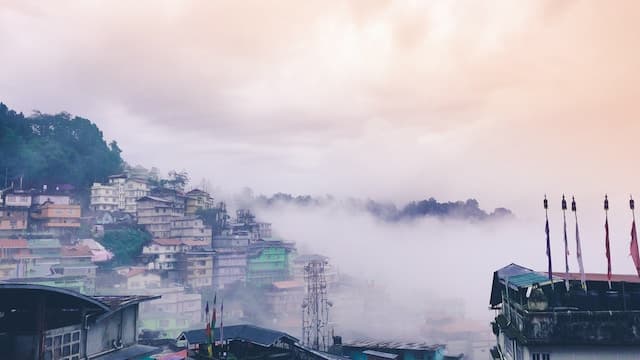
If you are planning a trip to Sikkim and want more than scenic drives and monastery visits, this guide will help you understand the deeper stories people carry with them here. Sikkim’s relationship with nature is not just about pretty landscapes; it shapes daily life, festivals, village customs, and the way many locals speak about mountains, rivers, forests, and lakes.
For Indian travellers, this is especially useful because it adds context to places you may already be visiting, from Gangtok and Yuksom to Lachung, Namchi, and the high-altitude lakes. You will come away with a better sense of which places are considered sacred, how to behave respectfully, and how to travel in a way that feels thoughtful rather than intrusive.
Why Sikkim’s folk beliefs matter to travellers
Sikkim is one of the few places in India where folk belief, Buddhist practice, and older animist traditions still sit side by side in everyday life. In many homes and villages, you may see prayer flags fluttering near a forest edge, a small household shrine, or a local elder speaking about a lake or hill as if it has a living presence. These are not tourist performances; they are part of how many communities understand the land.
The state’s main communities - Lepcha, Bhutia, and Nepali - each bring their own customs, stories, and rituals. Over time, these have blended with Tibetan Buddhist traditions and older mountain worship practices. As a traveller, noticing this blend changes how you see the place. A lake is not just a viewpoint, a forest is not just a trekking route, and a mountain pass is not only a road.
The spiritual landscape: mountains, lakes, rivers, and forests
In Sikkim, natural features are often treated as sacred spaces. Mountains are associated with protective deities, lakes are linked with purity and local legends, and rivers are seen as life-giving forces. This is one reason you will find many places in the state where people speak softly, avoid littering, and ask visitors to stay on designated paths.
Mountains as living guardians
Many Sikkimese communities look at the mountains with a sense of respect rather than conquest. Peaks and ridges are often linked to guardian spirits or protective beings, and some areas are considered too sacred for casual disturbance. This attitude is one reason why local guides sometimes request silence at certain viewpoints or discourage noisy behaviour near monasteries and village shrines.
Lakes as sacred water bodies
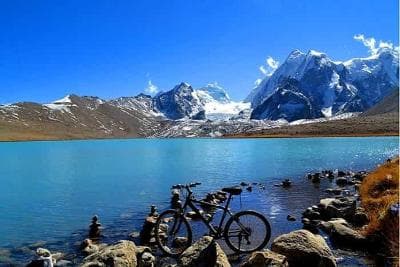
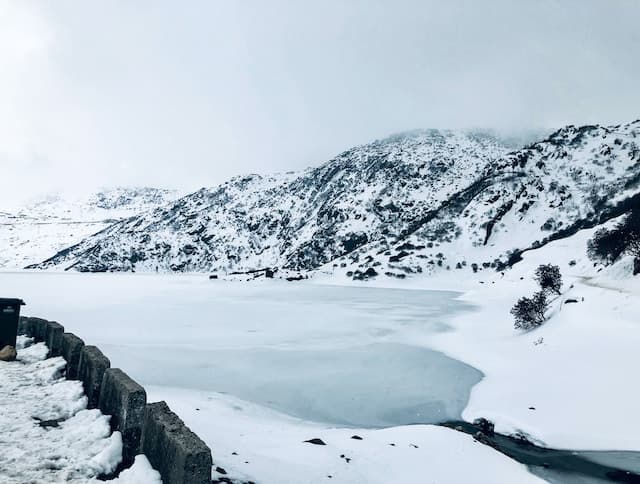
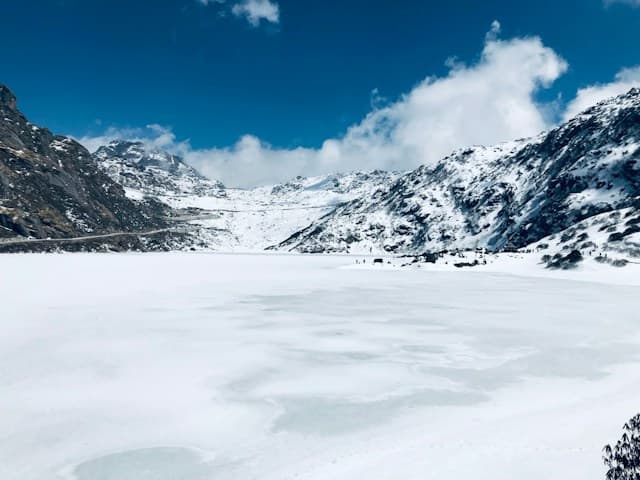
High-altitude lakes such as Tsomgo Lake near Gangtok or Khecheopalri Lake in West Sikkim are often visited not only for their beauty but also for their spiritual significance. At Khecheopalri, many people believe the lake is blessed and should remain clean and undisturbed. If you visit, treat it as a place of reverence: do not throw coins, feed animals, or leave offerings unless local instructions clearly permit it.
Forests and sacred groves
Some forested spaces in Sikkim are preserved through local custom as much as through formal protection. Sacred groves may be linked to village deities, ancestral beliefs, or protective spirits. While not every grove is marked for visitors, the principle is important: nature is not seen as separate from community life, and disturbing a grove can be considered disrespectful.
Lepcha beliefs and the idea of land as ancestry
The Lepcha, widely regarded as one of the earliest communities of Sikkim, have a deep cultural relationship with the land. Their folklore often treats hills, rivers, plants, and animals as part of a shared living world. In Lepcha oral tradition, the environment is not simply a backdrop to human life; it is tied to origin stories, kinship, and responsibility.
You may hear references to local spirits, protective beings, and places where rituals are performed to seek balance between people and nature. This worldview helps explain why some villages protect certain trees, springs, or rocks with unusual care. For visitors, the key takeaway is simple: if a local person says a place is sacred, accept it at face value and follow their guidance.
Bhutia and Buddhist influences in daily worship
The Bhutia community, historically connected to Tibetan cultural and religious traditions, has shaped much of Sikkim’s visible spiritual life. Monasteries, prayer wheels, mani walls, and fluttering prayer flags are common across the state, especially in areas such as Rumtek, Pemayangtse, and around North and East Sikkim. These are not only religious structures; they also mark the spiritual mapping of the landscape.
In Buddhist practice, compassion extends to all living beings, which naturally supports a respectful approach to nature. This is why many travellers notice a strong emphasis on cleanliness, quiet, and non-violence in sacred spaces. If you enter a monastery or pass a prayer site, dress modestly, remove shoes where required, and avoid pointing your feet at altars or images.
Nepali folk traditions and local deities
The Nepali communities of Sikkim bring a rich set of folk customs that often coexist with Buddhist and Hindu practices. In many villages, local deities are honoured through annual rituals, household observances, and community gatherings. These customs vary from one valley to another, so it is better to observe and ask politely than to assume a single pattern.
You may notice small shrines, stones wrapped in cloth, or ritual spaces near homes and fields. These are often linked to protective spirits or village guardians. In rural areas, people may seek blessings before sowing crops, building a house, or setting out on a long journey. For a traveller, understanding this makes village life in Sikkim feel more layered and meaningful.
Festivals and rituals that connect people to nature
Sikkim’s festivals often mark seasonal change, harvests, and spiritual renewal. The exact dates vary by lunar calendar and local tradition, so check the calendar before planning your trip. Some festivals are held inside monasteries; others take place in villages, homes, or open grounds. If your travel dates align with one of these, you will see how belief and landscape come together in very practical ways.
Losar, the Tibetan New Year, is one of the most prominent celebrations in many Buddhist communities. It usually falls between February and March, though dates shift each year. Saga Dawa, a sacred Buddhist month, is observed with prayer and merit-making. In some villages, local festivals include masked dances, offerings, and rituals asking for protection, good harvests, and harmony with the natural world.
A simple way to think about these celebrations is that they are not separate from the environment. Rain, crops, mountain health, household prosperity, and spiritual well-being are all connected. If you attend a festival, ask before taking photos, keep your voice low, and avoid moving into ritual spaces without invitation.
How to travel respectfully in sacred places
Respect in Sikkim is usually shown through small, practical actions. These are easy to follow and make a genuine difference to how locals receive you. The same rules apply whether you are at a monastery in Gangtok, a lake near Pelling, or a village in Dzongu.
- Dress modestly at monasteries, village shrines, and ritual spaces.
- Ask before photographing people, ceremonies, altars, or private homes.
- Do not litter, especially near lakes, springs, and forest trails.
- Follow local instructions about silence, footwear, and restricted areas.
- Avoid touching ritual objects unless you are invited to do so.
- Use local guides in sensitive or ecologically important areas when possible.
If you are visiting a place believed to be sacred, do not treat it like a photo stop. Even if you do not share the belief, a calm and respectful attitude will help you connect better with people and place.
Suggested places to experience this culture
If you want to understand Sikkim’s folk beliefs in a travel-friendly way, some destinations are especially useful. Gangtok offers access to monasteries, museums, and urban viewpoints where you can see how tradition and modern life overlap. Rumtek is one of the most important monastery areas in the state. Yuksom gives you a strong sense of older pilgrimage routes and historical significance.
In West Sikkim, Khecheopalri Lake is often associated with purity and reverence, while Pelling offers views that combine spirituality and mountain scenery. In North Sikkim, areas around Lachung and Yumthang are more about the relationship between high-altitude nature and local customs; however, travel conditions can change quickly, so roads, permits, and weather must be checked before planning.
Dzongu is especially important if you want to understand Lepcha culture, though access rules and travel permissions may apply and can change over time. Always confirm current requirements before booking transport or accommodation. Typical homestays in Sikkim may range from Rs.1,200-Rs.3,500 per night, while mid-range hotels in popular towns often fall between Rs.2,500-Rs.6,000 per night depending on season and location.
Practical travel tips for your Sikkim trip
The best time to explore Sikkim’s cultural and natural landscapes is usually from March to June and from October to early December, when weather is generally more stable. Monsoon months can bring landslides and travel delays, especially on mountain roads. If you are visiting high-altitude areas, keep your itinerary flexible and allow extra time between destinations.
| Place | What it is known for | Travel note |
|---|---|---|
| Gangtok | Monasteries, urban cultural life, views of the Himalayas | Good base for short cultural visits |
| Rumtek | Major Buddhist monastery | Best visited with time for quiet observation |
| Khecheopalri Lake | Sacred lake with strong local reverence | Keep the area clean and follow local rules |
| Yuksom | Historical and spiritual significance | Good for heritage-focused travellers |
| Dzongu | Lepcha cultural landscape | Check access rules before travel |
For transport, shared jeeps are common on inter-town routes, while private taxis are more comfortable for families or older travellers. Prices depend on season, road conditions, and demand, so treat any quote as indicative and confirm locally before finalising. If you are moving between towns like Gangtok, Pelling, and Lachung, plan for slow mountain travel rather than trying to pack too much into a single day.
Frequently Asked Questions
What are the main folk beliefs in Sikkim?
Sikkim’s folk beliefs centre on respect for mountains, lakes, forests, rivers, and ancestral or protective spirits. These beliefs vary among Lepcha, Bhutia, and Nepali communities, but many share the idea that nature is sacred and should be treated carefully. You will notice this in rituals, local customs, and the way people speak about certain places.
Is Khecheopalri Lake really considered sacred?
Yes, many locals treat Khecheopalri Lake as a sacred site and speak about it with great respect. Visitors are expected to keep the area clean and calm. Even if you are there purely as a traveller, it is best to follow local etiquette and avoid any behaviour that may be seen as careless.
Can tourists attend local festivals in Sikkim?
In many cases, yes, but you should be discreet and respectful. Some festival spaces are open to visitors, while others are more private or community-specific. Always ask before taking photos and avoid standing too close to ritual activity.
Do I need special permission to visit some areas?
Possibly, especially in border or protected regions of North Sikkim and certain culturally sensitive areas. Rules can change, so check current permit requirements before booking. Your travel agent, hotel, or local operator should be able to confirm the latest situation.
What should I wear when visiting monasteries or sacred sites?
Modest clothing is best: covered shoulders, comfortable trousers or long skirts, and easy-to-remove footwear where required. Bright tourist wear is not a problem by itself, but overly revealing clothing is best avoided. When in doubt, dress simply and respectfully.
How many days should I spend to understand this side of Sikkim?
A 6-8 day trip is a good starting point if you want to combine scenic travel with cultural understanding. That gives you time for Gangtok, one monastery visit, one sacred lake, and at least one village or heritage stop. If you want to go deeper into local traditions, add a couple of days and travel at a slower pace.
Sikkim’s folk beliefs are not a separate layer pasted onto the landscape; they are part of how the landscape is understood and cared for. If you travel with curiosity and respect, you will notice that the state’s beauty is not only visual, but also cultural and spiritual.
If this guide helped you plan a more thoughtful Sikkim trip, share this post with someone who is preparing for a North-East journey.
Planning a North-East trip?
Tell us your dates and who is travelling. Up to three local travel companies send you their itinerary and price.
Get free quotesDisclaimer: The information in this blog is for general information only. We try to keep it accurate and up to date, but TravelSetu accepts no liability for errors or omissions. If you believe any part of it infringes your rights, please write to info@travelsetu.com.