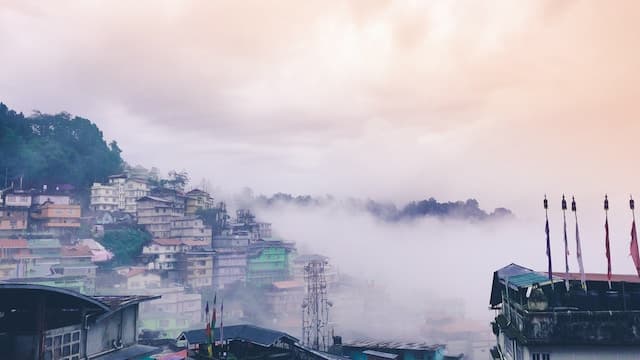
If you are planning a trip to Sikkim and want to understand how green the state really is, this guide will help you read the landscape with clarity. You will get a practical overview of Sikkim’s forest cover status, the kinds of forests you can expect in different belts, why the state is so ecologically important, and how to travel responsibly without putting pressure on fragile mountain ecosystems.
Sikkim is one of India’s smallest states, but it stands out in the North-East for its strong forest legacy, steep mountain terrain, and strict conservation approach. For travellers, that means scenic drives through thick woodland, protected sanctuaries, high-altitude rhododendron stretches, and a travel experience where nature is not just a backdrop but the main attraction.
Sikkim’s forest cover status at a glance
Sikkim is among the greenest states in India, with forest and tree cover accounting for a very large share of its land area. In recent assessments published through India’s forest survey systems, the state has consistently remained in the top tier for green cover, far above the national average. For you as a traveller, this is not just a statistic; it explains why the state feels cool, wooded, and environmentally well protected compared to many other Himalayan destinations.
The forest cover in Sikkim is spread across different elevations, from subtropical foothills to alpine slopes. That vertical spread creates a wide range of habitats, which is one reason the state supports rich birdlife, orchids, medicinal plants, and mountain wildlife. It also means that the “forest status” of Sikkim is not a single uniform number on paper; it changes by altitude, district, and conservation category.
Broadly speaking, Sikkim has managed to retain strong forest density despite a growing tourism economy and expanding road access. Protected areas, community stewardship, and local regulations have played a major role. If you are comparing North-East destinations, Sikkim is often seen as one of the best examples of how tourism and conservation can coexist, though not always perfectly.
Why Sikkim remains so green
High altitude and difficult terrain
A large part of Sikkim is mountainous and hard to develop at scale. Steep slopes naturally limit large-scale construction and agriculture, which helps forests remain intact in many belts. Villages are often clustered in valleys and along ridgelines, leaving broad stretches of hillside under tree cover.
Protected forests and sanctuaries
Sikkim has a strong network of protected landscapes, including wildlife sanctuaries and reserve forests. Places like the Khangchendzonga National Park, Shingba Rhododendron Sanctuary, Barsey Rhododendron Sanctuary, Maenam Wildlife Sanctuary, and Fambong Lho Wildlife Sanctuary form an important ecological safety net. These areas help maintain forest cover while also protecting water sources and biodiversity.
Community awareness and local restrictions
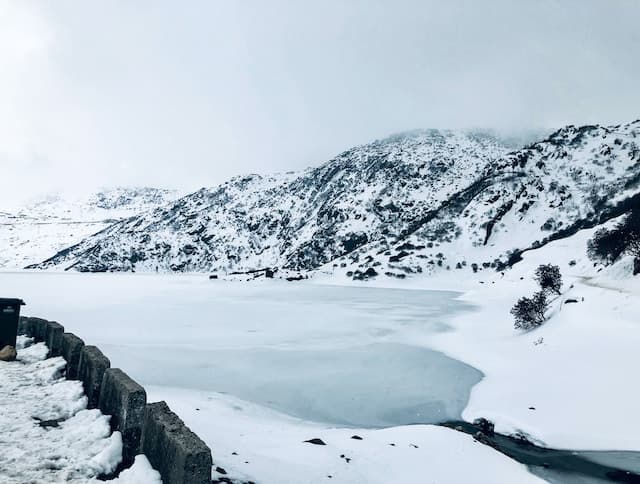
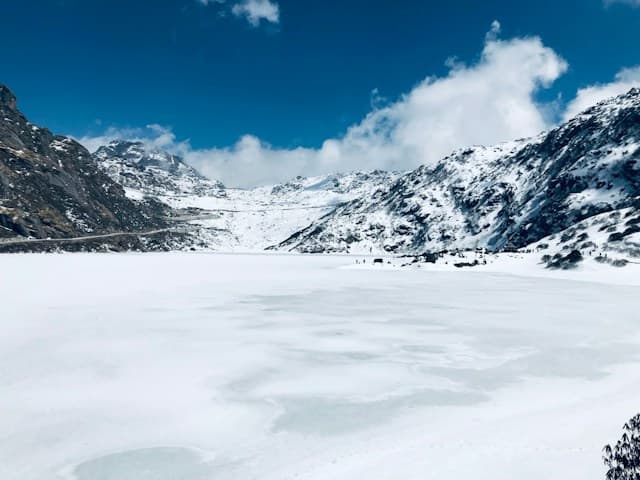
Compared with many tourist-heavy destinations, Sikkim has taken a relatively cautious approach to development. Local communities, monasteries, village bodies, and state policies have long supported a cleaner, more controlled model of tourism. You may notice tighter rules on plastic, waste disposal, and movement in sensitive zones, especially near high-altitude lakes and sanctuary corridors.
What kinds of forests you will see in Sikkim
Sikkim’s forests change quickly as you travel upward from the lower hills near the Rangit and Teesta valleys to the high mountain zones near North Sikkim. That means your experience can shift from warm, dense broadleaf forests to mossy temperate woods and then to thin alpine vegetation in a single road journey.
| Altitude/zone | Common forest character | Where travellers often notice it |
|---|---|---|
| Lower hills | Subtropical broadleaf forests, bamboo, mixed green slopes | Near Rangpo, Melli, Namchi approach roads |
| Mid-elevation belt | Temperate forests, oak, chestnut, magnolia, ferns, moss | Gangtok outskirts, Ravangla, Pelling side roads |
| High mountain belt | Rhododendron, fir, birch, alpine scrub, seasonal wildflowers | Yumthang, Lachung, Lachen routes |
The visual effect is striking. In the lower hills, the roads feel humid and lush. In the central belt, forests look layered and misty, with old trees and hanging moss. In spring, rhododendrons brighten certain routes with reds, pinks, and whites. Higher up, vegetation becomes sparse, but the views open dramatically.
Important forest-rich places to explore in Sikkim
Khangchendzonga National Park
This is the flagship protected landscape of Sikkim and a major reason the state is so closely associated with conservation. The park includes a mix of forest zones, alpine habitats, glaciers, and sacred mountain landscapes. For travellers, access is usually regulated, and planning tends to revolve around specific routes, permits, and local operators. The park is not a casual day-out destination; it is better approached as part of a carefully arranged itinerary.
Barsey Rhododendron Sanctuary
Best known for its spring bloom, Barsey is a good example of how forests in Sikkim can be both ecologically important and visually rewarding. The sanctuary is especially appealing from March to May, when rhododendrons flower and the trails take on a bright, almost festive feel. It is a good choice if you want a forest walk without going all the way to the far north.
Maenam Wildlife Sanctuary
Close to Ravangla, Maenam offers forest trails, birdlife, and wide views over the hills. It is useful for travellers who want a quieter nature experience in South Sikkim. The forest here is part of the broader watershed system that keeps the region green and stable.
Fambong Lho Wildlife Sanctuary
This sanctuary is one of the most accessible for people staying near Gangtok. It is known for temperate forests, birding, and short nature trails. If you have only a limited amount of time in Sikkim, Fambong Lho gives you a convenient way to understand the state’s wooded character without needing a long detour.
Shingba Rhododendron Sanctuary and Yumthang Valley
In North Sikkim, the forest story becomes seasonal and altitude-driven. Shingba and the wider Yumthang region are closely associated with rhododendrons and alpine flora. Travel conditions here depend heavily on weather, road access, and permit rules, so you should always confirm local updates before finalising your plan.
Forest cover and tourism: what it means for your trip
If you are visiting Sikkim, the forest cover status affects your itinerary in practical ways. First, road journeys can be slow because the routes pass through steep, green terrain with frequent bends and occasional landslide-prone stretches during the monsoon. Second, weather can change fast in wooded mountain belts, so a short route on the map may still take several hours in reality.
From Gangtok to Ravangla, Pelling, Namchi, Lachung, or Lachen, forest scenery is part of the journey itself. Expect pine, oak, rhododendron, bamboo, and mist depending on altitude and season. If you like slow travel, this is a real advantage. If you are trying to pack too much into a short trip, the terrain will probably force a more realistic pace.
Typical travel times can vary, but as a rough guide, Gangtok to Pelling may take around 4-5 hours by road, Gangtok to Ravangla around 3-4 hours, and Gangtok to Lachung significantly longer because of mountain roads and stops. Always confirm with your operator before booking, especially in the rainy season or winter.
Best time to see Sikkim’s forests at their best
For forest scenery, the most rewarding months are usually March to May and October to early December. Spring brings rhododendrons, fresh leaves, and excellent visibility in many central and northern belts. Autumn offers clearer skies, pleasant walking weather, and a fresh post-monsoon look in the woods.
The monsoon months from June to September make the forests intensely green, but travel can become slower and less predictable because of heavy rain, slippery tracks, and occasional road blocks. Winter from December to February can be crisp and beautiful in some areas, though higher routes may face snow and permit-related closures.
If your main interest is forests rather than snow, spring and autumn are usually the safest bets. They also work better for photography, birdwatching, and longer road trips.
Responsible travel tips for forest areas in Sikkim
- Carry a reusable water bottle and avoid single-use plastic where possible.
- Do not pluck flowers, especially in rhododendron zones and protected areas.
- Stay on marked trails and follow local instructions in sanctuaries.
- Hire local drivers and guides when visiting sensitive forest belts.
- Keep noise low, especially if you are birdwatching or near village forests.
- Check permit rules in advance for North Sikkim and protected zones; rules can change.
Sikkim’s green image depends on simple traveller behaviour as much as policy. A bottle, wrapper, loud music, or off-trail shortcut may seem minor, but in a fragile mountain setting these things add up quickly. If you travel thoughtfully, you help preserve exactly what makes the state special.
How Sikkim compares with the rest of the North-East
The North-East is rich in forested landscapes, but Sikkim stands apart because of its compact size, high mountain profile, and exceptionally visible forest belt along major tourist circuits. Assam offers broader plains and tea landscapes with forest pockets, while Meghalaya, Arunachal Pradesh, Nagaland, Mizoram, and Manipur each have their own forest identities shaped by different terrain and land-use patterns.
Sikkim’s advantage is that the forest cover is easy to experience even on a short trip. In many places, you do not need to go deep into a reserve to see the state’s ecological character. It shows up on the drive from the airport side, around monasteries on the hills, and on the approach roads to major towns. That immediacy makes it especially appealing for travellers who want scenic movement rather than only a single destination stop.
Frequently Asked Questions
Is Sikkim one of the greenest states in India?
Yes, Sikkim is widely regarded as one of the greenest states in India. Forest and tree cover together form a very large share of its area, and the state has maintained a strong conservation record over the years. Exact figures can change with each forest survey, so it is best to check the latest official update before citing numbers.
Which part of Sikkim has the densest forest cover?
The forest character varies by elevation, but dense wooded stretches are common in the central and southern belts, as well as in protected zones across the state. North and west Sikkim also have significant forested areas, though the vegetation changes with altitude. If you want the broadest mix, the Gangtok-Ravangla-Pelling side often gives a good introduction.
Can tourists visit forest areas freely in Sikkim?
Some areas are open and easy to access, while others are protected and require permits or guided arrangements. North Sikkim routes, certain sanctuaries, and border-adjacent areas can have stricter rules. Always check current permit and entry requirements before you go, as they may change without much notice.
What is the best month to enjoy Sikkim’s forests?
March to May is excellent if you want rhododendrons and fresh greenery. October to early December is also a strong window because the weather is usually clearer and road travel is easier. The monsoon months are lush but less reliable for travel.
Are there forest treks suitable for beginners?
Yes, Sikkim has several short trails and moderate forest walks around areas like Ravangla, Gangtok outskirts, and Barsey. The suitability depends on weather, altitude, and local permissions. If you are a beginner, choose shorter routes with a local guide rather than attempting longer mountain treks on your own.
How can I travel responsibly in Sikkim’s forest zones?
Use local services, avoid littering, and respect sanctuary rules. Do not play loud music in natural areas, and do not feed wildlife. Small choices matter a lot in a state where tourism and ecology are so closely linked.
Sikkim’s forest cover status is not just an environmental fact sheet; it is one of the main reasons the state feels calm, clean, and deeply scenic. If you plan your trip with care, you will see that the forests are not only part of the view but also part of the way Sikkim lives and breathes.
If this guide helped you understand Sikkim better, share the post with someone planning a North-East trip.
Planning a North-East trip?
Tell us your dates and who is travelling. Up to three local travel companies send you their itinerary and price.
Get free quotesDisclaimer: The information in this blog is for general information only. We try to keep it accurate and up to date, but TravelSetu accepts no liability for errors or omissions. If you believe any part of it infringes your rights, please write to info@travelsetu.com.