If you are planning a Sikkim trip and want it to be more than just another hill holiday, this guide is for you. A glacier-focused journey in Sikkim gives you raw mountain scenery, high-altitude lakes, monastery stops, and a closer look at how climate change is shaping the Eastern Himalayas. You will also get a practical sense of when to go, which areas make sense for different fitness levels, and what a realistic budget looks like.
Unlike a casual sightseeing circuit, a Sikkim glacier retreat style trip needs a little planning. Roads, permits, altitude, and weather all matter here, especially if you want to combine scenic drives with trekking or longer mountain stays. Use this as your planning base before you book transport and hotels.
Why Sikkim Works So Well for a Glacier-Focused Trip
Sikkim sits in the Eastern Himalayas and has some of India’s most dramatic high-altitude landscapes. The state is compact, but within a few days you can move from the warmer lower valleys near Gangtok and Namchi to high mountain zones near Lachen, Lachung, Yumthang, and the routes leading towards glacier country in North Sikkim. For Indian travellers, this makes Sikkim one of the most accessible places to experience alpine terrain without crossing an international border.
The appeal is not only visual. A glacier retreat trip in Sikkim is also about understanding the fragile ecology of the region. Rivers, lakes, forests, yak pastures, and snowfields are all part of the same mountain system. The farther you travel into North Sikkim, the more you will notice how quickly the environment changes with altitude and season.
What “Glacier Retreat” Means in Sikkim
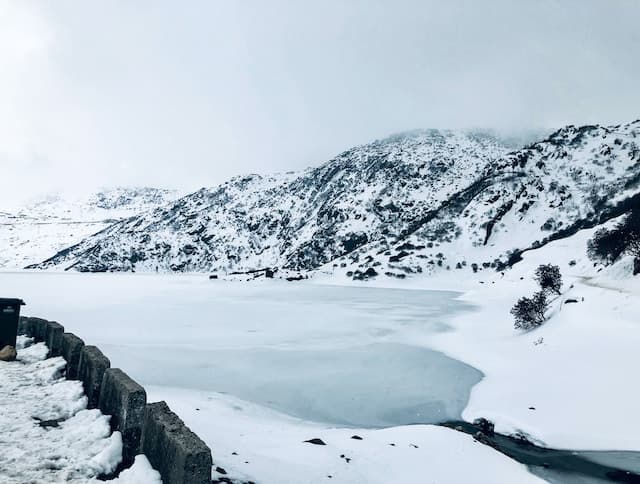
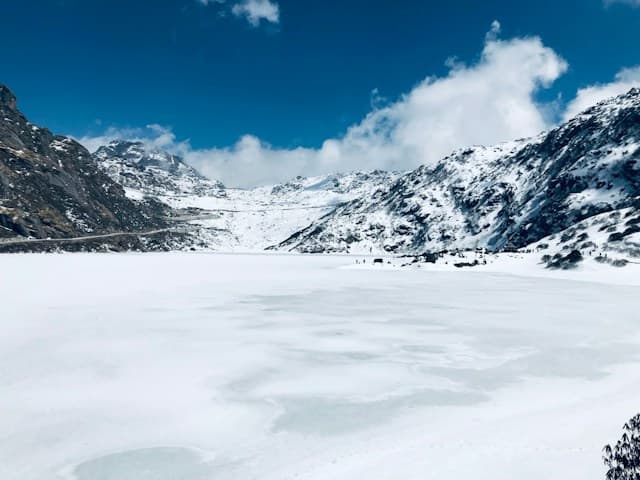
When people speak about glacier retreat in Sikkim, they are usually referring to the gradual shrinking and shifting of glaciers across the high Himalayas. You may not always stand right on a glacier, but you can visit valleys, lakes, and viewpoints where the effect is visible in the landscape, water flow, and seasonal snow cover. In practical terms, this means the region is best experienced with a mix of scenery, local context, and respect for environmental limits.
For travellers, the key takeaway is simple: go with realistic expectations. Sikkim is not a place for rushed checklists. If you want to appreciate the mountain environment, give yourself time to acclimatise, keep plans flexible, and avoid overpacking the schedule with too many long drives in one stretch.
Best Areas in Sikkim for This Kind of Trip
Gangtok as the Base
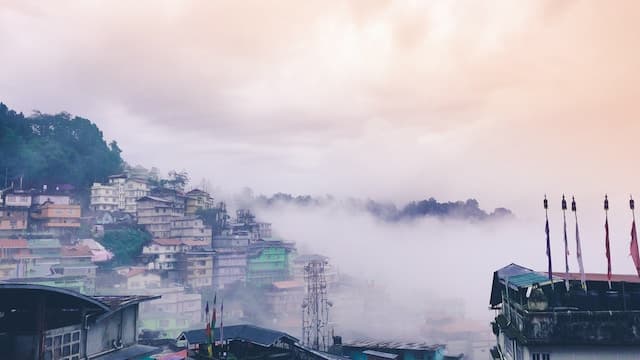
Most trips begin in Gangtok because it is the easiest entry point by road from Siliguri or Bagdogra. From here, you can plan excursions to Tsomgo Lake, Nathula when permits and weather allow, and northbound routes via Mangan towards Lachen and Lachung. Gangtok is also a good place to spend your first night to adjust to altitude before moving higher.
Lachen and the Route to North Sikkim
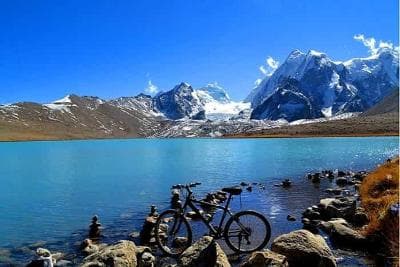
Lachen is one of the most important stops for a glacier-oriented itinerary. The drive from Gangtok to Lachen usually takes around 5-7 hours depending on road conditions, stops, and traffic. The village is the base for journeys towards Gurudongmar Lake and the higher North Sikkim belt. Because of altitude and road conditions, this is one place where you should keep a buffer day if possible.
Lachung and the Yumthang Valley Side
Lachung is another strong option if you want alpine meadows, river valleys, and snow-season scenery. The drive from Gangtok to Lachung typically takes about 5-6 hours. From here, travellers often head to Yumthang Valley, and in some seasons to Zero Point, though access depends on snow, road status, and permits. This part of Sikkim works well for travellers who want scenic mountain driving with lighter trekking.
Yuksum, Dzongri, and Trekking Routes
If you want a more active trip, West Sikkim offers trekking routes that reveal the high Himalayan environment more directly. Yuksom is the starting point for classic treks such as Dzongri and longer high-altitude routes. These are better suited to travellers with decent fitness and a few extra days in hand. While these are not glacier walks in the strict sense, they are excellent for seeing the mountain ecosystem that supports glacier-fed rivers.
Suggested Itinerary for 5 to 7 Days
A short but satisfying trip usually works best at 5 to 7 days. This gives you time for Gangtok, one high-altitude base, and enough margin for weather or road delays. Here is a practical structure:
| Day | Plan | What to expect |
|---|---|---|
| Day 1 | Arrive at Bagdogra/NJP, reach Gangtok | Road journey of about 4.5-6 hours depending on traffic and weather |
| Day 2 | Gangtok local sightseeing | Bakthang Falls, monasteries, MG Marg evening walk |
| Day 3 | Drive to Lachen or Lachung | Long mountain drive, road stops, possible landslide delays |
| Day 4 | High-altitude excursion | Gurudongmar side or Yumthang side, depending on your base |
| Day 5 | Return towards Gangtok | Break the journey and rest at lower altitude if needed |
| Day 6-7 | Add Yuksom or Rumtek/Namchi extension | Great for a slower, more balanced trip |
If you have only 4 days, keep it simple: Gangtok plus one North Sikkim base. Trying to cover too much will leave you tired and short on the mountain experience itself.
Best Time to Visit and What the Seasons Feel Like
The best time depends on what you want to see. For clear mountain views and more comfortable road travel, March to May and October to mid-December are usually the most reliable. Spring brings rhododendrons and fresher weather, while autumn often offers crisp skies and cleaner views after the monsoon.
June to September is monsoon season, and while Sikkim becomes lush and green, the risk of landslides, road closures, and cloudy views increases. Winter from late December to February can be rewarding if you want snow, especially in higher areas, but it also means colder nights, possible road restrictions, and a greater chance of plans changing at short notice. Always check the local forecast and road advisories before you travel.
Permits, Roads, and Travel Logistics
Some parts of North Sikkim and border-adjacent areas require permits for Indian travellers, and rules can change. In many cases, your hotel or tour operator arranges the paperwork using valid ID documents, passport-size photographs, and vehicle details. If you are planning a trip to areas such as Nathula, Gurudongmar, or certain protected zones, confirm the latest permit process before booking.
Road conditions are a major factor in Sikkim. Even a short stretch can take much longer than expected because of weather, construction, or landslides. Shared vehicles are common for some routes, while private cars and local cabs are better if you want flexibility. For high-altitude destinations, local drivers familiar with the terrain are worth the extra cost.
Indicative travel costs: shared transport can be more economical, while private cabs for mountain routes may cost significantly more depending on the route and season. As a rough planning range, budget around Rs.2,500-Rs.5,000 per day for a private cab in some high-altitude circuits, but always confirm locally because rates vary by demand and road conditions.
Where to Stay and What a Realistic Budget Looks Like
Accommodation in Sikkim ranges from basic guesthouses to comfortable boutique stays. In Gangtok, you can find clean mid-range hotels in the Rs.2,500-Rs.5,500 per night range. In Lachen and Lachung, expect fewer choices and slightly higher rates for the same level of comfort, often around Rs.3,000-Rs.6,500 per night depending on season and meal plans.
If you are trekking or heading into more remote zones, homestays become a practical and rewarding option. They are especially useful if you want local food, earlier breakfasts, and guidance on weather or road conditions. For a 5-7 day trip, a realistic total budget for a couple often falls in the Rs.25,000-Rs.55,000 range excluding shopping, depending on transport, hotel category, and how remote your itinerary is.
What to Pack for High-Altitude Sikkim
Packing well makes a bigger difference here than in many other mountain destinations. Temperatures can change sharply between day and night, and even sunny weather can feel cold at higher altitude. Keep your bag practical and layered.
- Warm layers: thermals, fleece, woollen socks, gloves, and a windproof jacket
- Footwear: sturdy walking shoes with good grip
- Basic medicines: altitude-related medication only if prescribed, plus personal prescriptions
- Hydration: a reusable bottle and oral rehydration salts if you are sensitive to altitude
- Sun protection: sunscreen, sunglasses, and lip balm
- Documents: ID proof, permit copies if required, and a few printed backups
If you are heading above 10,000 feet, do not ignore symptoms like dizziness, nausea, or headache. Slow down, drink water, and descend if needed. Your body will tell you more than your itinerary will.
Responsible Travel in Glacier Country
Sikkim is one of India’s cleaner and more environmentally conscious states, and travellers should help keep it that way. Avoid single-use plastic where possible, carry back your litter, and do not push local drivers or guides to exceed safety limits just to save time. If an area is closed due to weather or road safety, accept the change and adapt your plan.
It also helps to buy local. Choose Sikkim-made products, eat at local eateries, and stay in locally run homestays when possible. This keeps your spend within the community and makes your trip feel much more grounded.
Frequently Asked Questions
Is Sikkim good for a glacier-themed holiday if I do not trek?
Yes, it is. You can still enjoy high-altitude valleys, glacier-fed lakes, mountain roads, and scenic bases like Lachen and Lachung without doing a major trek. The trip becomes more about landscape, altitude, and local culture than about difficult walking.
How many days do I need for a Sikkim glacier retreat?
Five to seven days is the sweet spot for most travellers. That gives you enough time to reach the high mountains, rest properly, and avoid feeling rushed. If you want trekking or multiple remote bases, plan for 8 to 10 days.
Can senior travellers or families with children do this trip?
Yes, but with caution. Keep the pace slower, avoid overpacking high-altitude days, and choose comfortable stays with good heating. Very high-altitude excursions may not suit everyone, so it is wise to speak to a doctor if there are heart, breathing, or blood pressure concerns.
Do I need to book everything in advance?
It is advisable, especially in peak season from March to May and October to December. Hotels in Gangtok are easier to find, but North Sikkim stays, permits, and local vehicles can become limited quickly. Booking in advance also helps you coordinate paperwork and route planning.
What is the biggest risk on this trip?
The biggest risks are weather, altitude, and road disruptions. Landslides, sudden snowfall, or cloud cover can alter your plans, so build in flexibility. If you stay patient and keep one buffer day, the trip becomes far less stressful.
Is this trip expensive?
It can be moderate or expensive depending on how remote you go. A simple Gangtok plus North Sikkim itinerary can be managed on a reasonable budget, but private transport and last-minute bookings increase costs. Expect mountain logistics to cost more than a standard city break.
Sikkim rewards travellers who plan sensibly and travel slowly. If you give the state enough time, it offers far more than pretty views: it gives you a real sense of the Himalayan landscape, its changing glaciers, and the people who live with them every day.
If this guide helped you plan your North-East trip, share it with someone who is thinking about Sikkim next.
Planning a North-East trip?
Tell us your dates and who is travelling. Up to three local travel companies send you their itinerary and price.
Get free quotesDisclaimer: The information in this blog is for general information only. We try to keep it accurate and up to date, but TravelSetu accepts no liability for errors or omissions. If you believe any part of it infringes your rights, please write to info@travelsetu.com.