If you are planning a Sikkim trip and want to go beyond the usual monastery-and-viewpoint circuit, high altitude grazing gives you a different lens on the Himalayas. This guide is for travellers who want to understand where yaks and mountain cattle graze, which valleys support seasonal pastureland, and how to plan a respectful, practical journey through Sikkim’s upper reaches.
By the end, you will know the best months to go, the places where grazing landscapes are part of the experience, what permits and transport to expect, and how to pack for thin air, cold mornings, and sudden weather changes.
What High Altitude Grazing Means in Sikkim
In Sikkim, high altitude grazing is not a tourist activity in the usual sense; it is part of mountain life. Communities in North and North-East Sikkim have traditionally moved livestock such as yaks, dzos, and mountain cattle to higher pastures during warmer months, where grass grows after the snow recedes. These seasonal grazing grounds are often found near alpine lakes, ridge routes, and open meadows around settlements like Lachen, Lachung, Dzongu, and the upper Yumthang Valley.
For travellers, this means you are likely to see grazing animals, herders, stone shelters, and wide alpine spaces rather than formal attractions. The appeal lies in the landscape and the way local livelihoods continue in tough mountain conditions. It is a good fit if you enjoy slow travel, village stays, and watching everyday life in high Himalaya villages rather than rushing between sightseeing points.
Best Areas in Sikkim to Experience Grazing Landscapes
Lachen and the Gurudongmar route
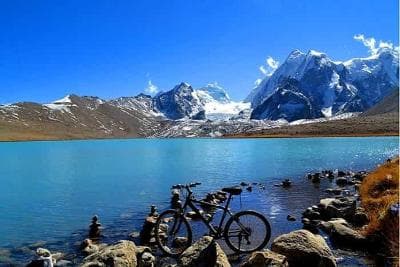
Lachen in North Sikkim is one of the clearest bases for understanding high altitude pastoral life. From here, the route towards Gurudongmar Lake crosses broad, cold plateaus and open ground where pastoral use is part of the regional landscape. You may not always find active herds at the exact viewpoints, but the road, settlement pattern, and sparse vegetation make it easy to see why grazing matters here.
Lachen is about 120-130 km from Gangtok, and the drive usually takes 6-8 hours depending on road conditions. Because road quality and weather can shift quickly, keep a buffer in your plan.
Lachung and Yumthang Valley
Lachung is another useful base, especially if you want an accessible alpine valley that changes with the seasons. The Yumthang Valley area is famous for spring flowers, but it also functions as a seasonal grazing zone. In late spring and summer, the valley opens into wide meadows where livestock movement and pasture use are part of the scenery.
The Gangtok to Lachung drive is roughly 100-120 km and often takes 5-7 hours. From Lachung, day trips to Yumthang usually begin early, and local transport arrangements are common because private vehicles may need specific permissions in some sections.
Dzongu and village pasture routes
Dzongu in North Sikkim offers a more community-focused look at mountain agriculture and livestock keeping. This is where you can better appreciate how village life, forest access, and grazing connect. The landscape is greener than the high plateau zones, yet still shaped by altitude and river valleys.
If you want a quieter experience and prefer homestays, Dzongu can be a strong choice. It is not the place for dramatic roadside stops alone; the value lies in walking around villages, meeting local hosts, and seeing how livestock are integrated into daily routines.
Tsomgo and surrounding high-altitude pastures
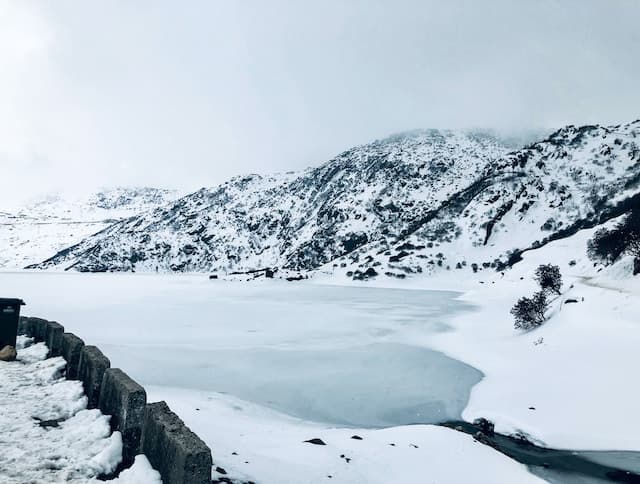
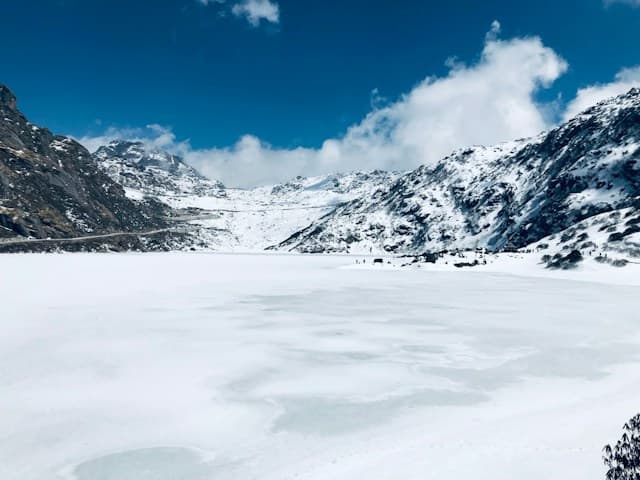
Tsomgo Lake is more commonly known for tourism, but the upper route and surrounding slopes also belong to a broader grazing ecosystem. Depending on the season and access conditions, you may see yak handlers, mule activity, and pasture stretches along the way. The lake itself is at high altitude, so even brief stops can feel physically demanding.
Gangtok to Tsomgo is around 35-40 km and usually takes 2-3 hours one way. Since permits and weather affect access, confirm the latest status before you plan a trip there.
When to Go for the Best Pasture Views
The best months for high altitude grazing landscapes in Sikkim are generally April to June and September to early November. In these windows, mountain roads are more likely to be open, the weather is relatively stable, and the pastures are easier to access. Spring brings fresh growth and clearer skies, while autumn often gives you crisp views after the monsoon.
July and August bring heavy rain and a higher chance of road delays, landslides, and fog. Winter, especially from late December through February, can be very cold in North Sikkim, and some high routes may close due to snow or administrative restrictions. If your main interest is seeing grazing activity and pastureland, avoid planning too close to peak monsoon or deep winter unless you have a very flexible itinerary.
How to Plan Your Route
A practical Sikkim high altitude grazing trip usually starts in Gangtok, with two to four nights spent moving into the northern valleys. A common pattern is:
- Night 1: Gangtok
- Night 2: Lachen or Lachung
- Night 3: High-altitude excursion or village stay
- Night 4: Return to Gangtok or extend to Dzongu
If you want a gentle pace, keep your itinerary to one major high-altitude area rather than trying to cover Lachen, Lachung, Tsomgo, and Dzongu in the same short trip. Roads in Sikkim are scenic but slow, and altitude fatigue is real. For travellers coming from the plains, it is wise to spend at least one night in Gangtok before heading higher.
Sample 5-day plan
- Day 1: Arrive in Gangtok, rest, and acclimatise.
- Day 2: Drive to Lachen; stop for river views and village breaks.
- Day 3: Early morning excursion to high-altitude areas near Gurudongmar route, then return to Lachen or move toward Lachung if road timing allows.
- Day 4: Explore Lachung and Yumthang Valley.
- Day 5: Return to Gangtok or continue to Dzongu if you want a slower village-based finish.
This is only a framework. Road conditions, permits, and local advice can change the sequence, so treat it as indicative rather than fixed.
Permits, Transport, and Practical Costs
Travel in North Sikkim often involves permits, especially for sensitive border-adjacent areas and certain high-altitude routes. Indian travellers usually need identification, and some areas may have additional paperwork arranged through registered operators or local accommodation providers. Foreign nationals face different access rules, and some destinations may be restricted entirely. Always confirm the latest permit requirements before booking.
As for transport, shared vehicles and private SUVs are common for these routes. Roads can be narrow, winding, and sometimes rough, so most travellers use local operators rather than self-driving. Expect to pay approximately Rs.3,500-Rs.6,500 per day for a private vehicle in remote sections, depending on route, season, and fuel costs. Shared transfers may be cheaper, but they give you less flexibility.
| Item | Indicative cost | Notes |
|---|---|---|
| Homestay in villages like Lachen/Lachung/Dzongu | Rs.1,500-Rs.4,000 per night | Usually includes simple meals; confirm heating and hot water |
| Mid-range hotel in Gangtok | Rs.2,500-Rs.6,000 per night | Better for acclimatisation before high-altitude travel |
| Private SUV for remote day trips | Rs.3,500-Rs.6,500 per day | Costs rise in peak season and with longer routes |
| Simple meal | Rs.200-Rs.500 per person | Higher in remote stretches due to supply costs |
What to Pack for Thin Air and Cold Mornings
Even in mild-looking weather, high altitude in Sikkim can feel sharp and draining. Pack layered clothing rather than one heavy jacket. A thermal base layer, fleece, windproof outer shell, woollen cap, gloves, and comfortable walking shoes will serve you better than fashionable but impractical outfits.
You should also carry basic medicine for altitude discomfort, but use it only as advised by a doctor. Hydration is important, so keep a refillable bottle and sip frequently. Sunscreen and sunglasses matter more than many first-time travellers expect because the sun feels intense at altitude, especially when reflected from snow or pale rock.
- Warm layers and a waterproof jacket
- Comfortable shoes with good grip
- Power bank and torch
- Personal medicines and a small first-aid kit
- Cash in small notes, since digital payment may be unreliable in remote areas
- Snacks for long drives
How to Travel Responsibly Around Grazing Areas
High altitude grazing is part of local livelihood, so a respectful approach matters. Keep distance from livestock, do not feed animals, and avoid stepping into fenced or marked pastureland. In some villages, what looks like open land may actually be seasonally used community ground. Always ask before walking through a homestay owner’s grazing area or taking close photographs of herders and animals.
Do not leave plastic wrappers, biscuit packs, or bottles behind. Waste disposal is harder at altitude, and even small litter becomes a problem for pastureland and streams. If you buy local dairy products, woollens, or handmade items, you are directly supporting the people who live with these landscapes year-round.
What Else You Can Combine With the Trip
If you have 7-8 days, you can pair high altitude grazing routes with Gangtok, Rumtek Monastery, Ravangla, or Namchi, depending on your route and pace. That said, for a true Sikkim highland experience, the northern circuit deserves your main attention. Gangtok gives you the easiest entry point, but the pastoral character appears more clearly once you move toward Lachen, Lachung, and village stays in Dzongu.
For travellers from Kolkata, Siliguri, or Bagdogra, a realistic plan is to fly or arrive into Bagdogra/NJP, reach Gangtok the same day or next morning, and then continue north after a night of rest. This reduces the risk of altitude strain and travel fatigue. If you are short on time, focus on one high-altitude valley well rather than trying to cover everything superficially.
Frequently Asked Questions
Is Sikkim high altitude grazing suitable for first-time Himalayan travellers?
Yes, if you plan carefully and do not rush. Start with Gangtok for acclimatisation, then move to one high-altitude area such as Lachen or Lachung. The roads can be long, so first-time travellers should avoid overloading the itinerary.
Can I see yaks during the trip?
Often, yes, especially in northern Sikkim and around high-altitude routes where yak handlers operate. Sightings depend on the season and exact location. You are more likely to see them around tourist traffic points, local settlements, and route-side pasture areas.
Do I need special permission for these routes?
Some sections in North Sikkim and border-adjacent areas require permits, and the rules can change. Indian travellers usually need valid ID, while foreign nationals face more restrictions in certain areas. Check with your hotel, travel operator, or local tourism office before finalising plans.
What is the best time to avoid road disruption?
April to June and September to early November are usually the safer windows for road conditions. The monsoon brings landslide risk, and winter can bring snow-related closures. Still, even in good seasons, you should keep buffer time because mountain roads can change quickly.
How many days should I keep for this kind of trip?
Five to seven days is a comfortable range if you want both acclimatisation and time in the northern valleys. With only three or four days, you should choose one area and avoid trying to combine too many high-altitude points. A slower itinerary is usually more enjoyable in Sikkim.
Are homestays better than hotels for this experience?
For a close look at local mountain life, yes. Homestays in places like Lachen, Lachung, or Dzongu give you better insight into local food, livestock practices, and daily routines. Hotels can still work, but they usually feel less personal and less connected to the pastoral landscape.
Conclusion
Sikkim high altitude grazing is less about a single attraction and more about seeing how people, animals, and weather shape life in the upper Himalayas. If you travel with patience, leave space in your plan, and choose the right season, you will return with a much deeper understanding of North-East Sikkim than a quick sightseeing trip can offer.
If this guide helped you plan better, share the post with someone who is considering a Sikkim trip.
Planning a North-East trip?
Tell us your dates and who is travelling. Up to three local travel companies send you their itinerary and price.
Get free quotesDisclaimer: The information in this blog is for general information only. We try to keep it accurate and up to date, but TravelSetu accepts no liability for errors or omissions. If you believe any part of it infringes your rights, please write to info@travelsetu.com.