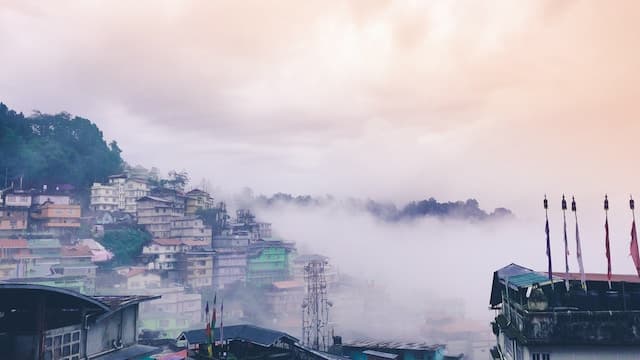
If you are planning a North-East India trip and want something beyond the usual sightseeing loop, the Sikkim Khangchendzonga Biosphere Reserve deserves a place on your list. This is the part of Sikkim where alpine lakes, rhododendron forests, glaciers, high-altitude villages, and the sacred presence of Mount Khangchendzonga come together in one remarkable landscape. In this guide, you will find the practical details that matter most: how to reach it, when to go, what to expect, permit considerations, and how to plan a trip that feels rewarding rather than rushed.
What Makes the Sikkim Khangchendzonga Biosphere Reserve Special
The Sikkim Khangchendzonga Biosphere Reserve is not just a scenic region; it is one of India’s most important protected mountain landscapes and a major highlight of the North-East. Spread across western, northern, and part of central Sikkim, it includes a wide range of ecosystems, from subtropical forests at lower elevations to snow-covered alpine zones higher up. The reserve is closely associated with Khangchendzonga, India’s third-highest peak, which is deeply respected by local communities and is considered sacred in Sikkimese culture.
For travellers, the appeal lies in variety. One day you may be walking through pine forests near Pelling or Yuksom, and another day you could be looking at glaciers, lakes, and high mountain passes in North Sikkim. Birdwatchers, photographers, trekkers, and slow travellers all find something different here. If you are travelling from elsewhere in India, this is one of the most memorable ways to experience the quieter side of the North-East.
Where It Is and What Area It Covers
The reserve stretches across a large section of Sikkim and includes parts of the Khangchendzonga National Park, which is the core protected area. Most travellers enter through places like Yuksom, Pelling, Gangtok, Lachung, or Lachen, depending on the kind of itinerary they want. The landscape changes sharply with altitude, so the same state can offer warm valleys, cool forest belts, and near-arctic conditions within a few hours of travel.
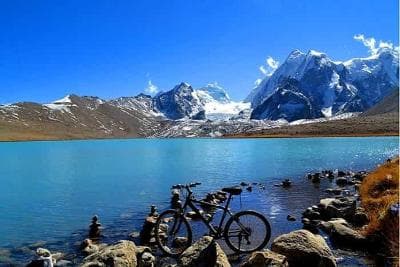
Because the reserve is spread out, there is no single gate or one-day “complete” visit. Instead, you plan around specific zones and routes. For example, western Sikkim works well for cultural and forested experiences around Yuksom and Pelling, while northern Sikkim is better for high-altitude scenery, including Gurudongmar Lake and Yumthang Valley, subject to weather and permits.
Best Time to Visit
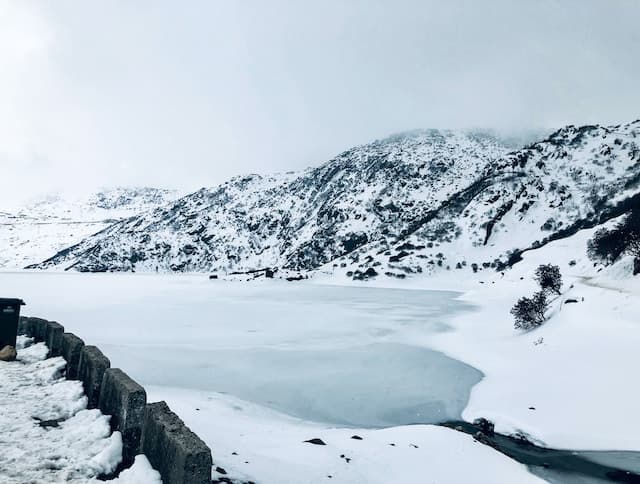
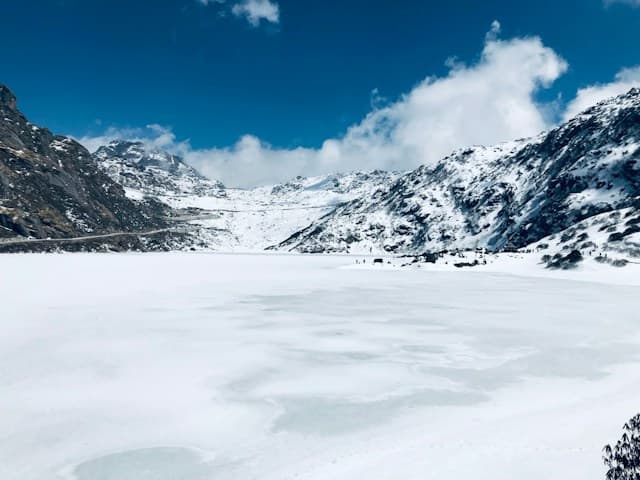
The best months depend on what you want to see. For pleasant weather and clear views, March to May and October to mid-December are usually the strongest windows. Spring brings rhododendrons and fresh greenery, while autumn tends to offer clearer mountain visibility. Winter can be stunning in the higher regions, but roads may be affected by snow and temperatures drop sharply.
Season-wise travel guide
- March to May: Ideal for flowers, moderate temperatures, and forest walks. This is one of the best times for western Sikkim.
- June to September: Monsoon season. Landslides and cloud cover can disrupt travel, especially in hilly sections. Not the best time for a tight schedule.
- October to mid-December: Excellent for mountain views and comfortable weather. A popular period for North-East trips.
- Late December to February: Cold, with snow possible in higher areas. Good if you want winter scenery and do not mind delays or road closures.
If you are combining the reserve with a broader Sikkim trip, aim for 6-8 days so you are not forced to rush through the higher-altitude routes. Always check road conditions, especially if your plan includes North Sikkim.
How to Reach from Major North-East Entry Points
Most travellers reach Sikkim through Bagdogra Airport or New Jalpaiguri station in West Bengal, then continue by road. From Bagdogra to Gangtok, the drive is generally around 4.5 to 6 hours depending on traffic and weather. From New Jalpaiguri, expect a similar travel time by taxi or shared vehicle. Once in Gangtok or Pelling, you can plan day trips or overnight stays towards the reserve’s accessible zones.
For western Sikkim, Yuksom is one of the most practical bases. It is roughly 6 to 7 hours by road from Gangtok in typical conditions, though mountain traffic can extend this. Pelling is closer to the tourist circuit and works well if you want a comfortable stay with day excursions. For northern Sikkim, Lachung is usually the base for Yumthang Valley, while Lachen is used for Gurudongmar Lake routes.
| Starting Point | Approximate Travel Time | Best Use |
|---|---|---|
| Bagdogra Airport | 4.5-6 hours to Gangtok | Most common entry for air travellers |
| New Jalpaiguri | 4.5-6 hours to Gangtok | Rail travellers heading into Sikkim |
| Gangtok to Yuksom | 6-7 hours | Western Sikkim and treks |
| Gangtok to Lachung/Lachen | 6-8 hours or more | High-altitude North Sikkim circuits |
Transport costs vary by season and vehicle type, but you can expect shared cabs to be cheaper and private taxis to cost significantly more. As a rough guide, a private taxi from Bagdogra to Gangtok may fall around Rs.3,500-Rs.6,500 or more, while route and season strongly affect the fare. Confirm rates in advance, especially during holiday periods.
Top Places to Explore Around the Reserve
Different parts of the biosphere reserve reward different styles of travel. You can pair forest walks, village stays, monastery visits, and high-altitude day trips to build an itinerary that feels balanced rather than exhausting.
Yuksom and the western Sikkim belt
Yuksom is a meaningful base for travellers interested in Sikkim’s history and trekking routes. It was the first capital of the former Kingdom of Sikkim and remains culturally important. The village is also a starting point for treks deeper into the Khangchendzonga region. Even if you are not trekking, Yuksom offers a calm atmosphere, mountain views, and access to walks through forested trails and nearby heritage sites.
Pelling and its surrounding viewpoints
Pelling is a practical stop for those who want a more relaxed stay with comfortable accommodation. It offers easy access to viewpoints facing Khangchendzonga, monasteries, and waterfalls in western Sikkim. From here, you can plan short outings while keeping your base stable, which is helpful if you are travelling with family or older relatives.
Lachung, Lachen, and the high-altitude north
If your route extends north, the landscape becomes more dramatic and more dependent on weather. Lachung is often used for visits to Yumthang Valley, known for seasonal flowers and alpine views, while Lachen is the usual base for Gurudongmar Lake. These are not casual outings, though; the altitude is high, the roads are long, and conditions change quickly. Move slowly, hydrate well, and be ready to modify plans.
Gangtok as the planning hub
Gangtok is where most travellers finalise permits, hire vehicles, and coordinate multi-day routes. It is not inside the reserve itself, but it is the most convenient city base for organising your North Sikkim or western Sikkim plans. Stay a night or two here at the start so you can keep your mountain schedule flexible.
Permits, Rules, and Responsible Travel
Since parts of the reserve fall in restricted or sensitive zones, you may need permits for certain areas, especially in North Sikkim. Permit rules can change based on weather, road access, and government regulations, so do not assume that a permit arrangement from last year still applies. Your hotel, local tour operator, or transport provider in Gangtok can usually guide you through the current process.
Foreign travellers may face additional restrictions in some zones, and access can be more limited than for Indian citizens. If you are planning a group trip, confirm documents well before travel so there are no last-minute surprises. Carry valid photo ID, passport-sized photos if advised, and keep digital and printed copies available.
Travel responsibly by avoiding plastic litter, respecting local customs, and not stepping off designated paths in fragile areas. This landscape is beautiful, but it is also ecologically sensitive. Small choices matter here more than in a city trip.
Suggested Itinerary for First-Time Travellers
If you want a comfortable introduction to the Sikkim Khangchendzonga Biosphere Reserve, plan at least 5 to 7 days. That gives you time to see one lower-altitude region and one higher-altitude region without spending every day on the road.
- Day 1: Arrive at Bagdogra or New Jalpaiguri and travel to Gangtok.
- Day 2: Explore Gangtok, confirm permits, and rest.
- Day 3: Travel to Yuksom or Pelling for western Sikkim.
- Day 4: Sightseeing around Pelling/Yuksom with forest walks, viewpoints, and monasteries.
- Day 5: If permits and weather allow, continue towards Lachung or Lachen, or return to Gangtok.
- Day 6: Visit a high-altitude valley or lake, depending on your route.
- Day 7: Return to Gangtok and head back to Bagdogra/New Jalpaiguri.
If you prefer a slower trip, stay longer in one region instead of trying to cover everything. In the mountains, fewer places done well is always better than too many stops done badly.
Where to Stay and What It May Cost
Accommodation ranges from simple homestays to mid-range hotels and a few more comfortable boutique stays in larger centres. In Pelling, Yuksom, Gangtok, Lachung, and Lachen, you will find most of the practical options. Homestays are particularly useful if you want local food and direct conversations with hosts who know the area well.
For budget travellers, rooms may start around Rs.1,200-Rs.2,500 per night. Mid-range stays often fall between Rs.2,500-Rs.5,000 per night, while better properties can cost more, especially in peak season or remote locations with limited inventory. In North Sikkim, prices are often higher than in Gangtok because logistics are tougher and supply is more limited. Always book in advance if you are travelling in spring or autumn.
Frequently Asked Questions
Is the Sikkim Khangchendzonga Biosphere Reserve suitable for family travel?
Yes, but choose your route carefully. Western Sikkim around Pelling and Yuksom is usually easier for families than high-altitude North Sikkim. If you are travelling with children or older relatives, avoid packing too much into a short trip.
Do I need a permit to visit the reserve?
For some areas, yes, especially in North Sikkim and other restricted zones. Permit rules can change, so confirm the current requirements before you travel. Local operators in Gangtok usually help with the process.
How many days should I keep for this trip?
A minimum of 4-5 days is workable if you focus on one part of the reserve. For a richer experience, 6-8 days is better because it gives you time for road travel, altitude adjustment, and weather delays. Rushing is the fastest way to make the trip tiring.
What is the best month for clear mountain views?
October and November are often excellent for visibility, while March to May is strong for flowers and pleasant weather. Conditions can still vary by week, so treat this as guidance rather than a guarantee. Mountain weather changes quickly.
Is this area safe for high-altitude travel?
Generally yes, if you travel responsibly and allow time to acclimatise. The bigger concern is altitude sickness in places like Lachen, Gurudongmar, and parts of North Sikkim. Drink water, avoid overexertion, and speak to a doctor if you have health concerns.
Can I do this trip on my own?
You can plan it independently for some parts of Sikkim, especially around Gangtok, Pelling, and Yuksom. However, for restricted or remote zones, using a local taxi, driver, or travel package is often easier and more reliable. Road conditions and permit procedures make local support very useful.
The Sikkim Khangchendzonga Biosphere Reserve is one of those North-East destinations that rewards calm travel, good timing, and a little flexibility. If you plan it well, you come back with mountain views, forest trails, and a stronger sense of why Sikkim feels unlike anywhere else in India. Share this post with anyone planning a North-East trip and looking for a meaningful Sikkim itinerary.
Planning a North-East trip?
Tell us your dates and who is travelling. Up to three local travel companies send you their itinerary and price.
Get free quotesDisclaimer: The information in this blog is for general information only. We try to keep it accurate and up to date, but TravelSetu accepts no liability for errors or omissions. If you believe any part of it infringes your rights, please write to info@travelsetu.com.