Sikkim Language Preservation
If you are planning a trip to Sikkim and want more than scenic roads and monastery views, this guide is for you. Language is one of the best ways to understand the state’s living culture, from Lepcha and Bhutia traditions to Nepali, Hindi, and the many local dialects people use every day. By the end of this article, you will know what languages are spoken in Sikkim, where you are most likely to hear them, and how to travel in a way that supports language preservation rather than flattening it.
Why language preservation matters in Sikkim
Sikkim is small in size, but it is one of the most linguistically rich places in India. In towns, villages, schools, monasteries, and markets, language carries memory, identity, religion, folk knowledge, and even family history. For travellers, this means that a respectful trip to Sikkim is not only about seeing places like Gangtok, Pelling, Lachung, or Namchi; it is also about listening carefully to how people speak, what stories they tell, and which words they choose to keep alive.
Language preservation matters here because younger generations are often switching to more widely used languages for school, work, and tourism. When you buy a handmade item from a village cooperative, attend a local cultural programme, or ask a guide to explain a place name, you are helping create value for local speech traditions. In a state where tourism is a major part of the economy, visitors can play a small but meaningful role in encouraging pride in indigenous languages.
The main languages you will hear in Sikkim
Sikkim is multilingual by daily life, not just by policy. In most towns, you will hear Nepali widely spoken, along with English, Hindi, and local languages such as Lepcha and Bhutia. In some communities, Tibetan-influenced speech and rituals also shape the linguistic landscape. The balance changes from district to district and even from one village to the next.
| Language | Where you may hear it | Why it matters to travellers |
|---|---|---|
| Nepali | Gangtok, Namchi, Ravangla, most markets and roadside eateries | The most practical language for everyday interaction in much of Sikkim |
| English | Hotels, tours, government offices, schools, signage in towns | Useful for most visitors, especially for bookings and transport |
| Hindi | Major towns, transport hubs, mixed urban areas | Commonly understood, though not always the first local language |
| Lepcha | Dzongu, some villages in North Sikkim, cultural events | One of Sikkim’s oldest indigenous languages and central to preservation efforts |
| Bhutia / Sikkimese Tibetan-influenced speech | Monastic and community settings, West and North Sikkim villages | Important in religious and oral traditions |
Do not worry about learning every local language before you travel. Even a few greetings can open doors, and locals usually appreciate the effort. A simple “Namaste” works almost everywhere, while asking politely if someone speaks English or Hindi is a good starting point when you need directions or transport help.
Where language comes alive: places to experience it
Gangtok: the easiest place to start
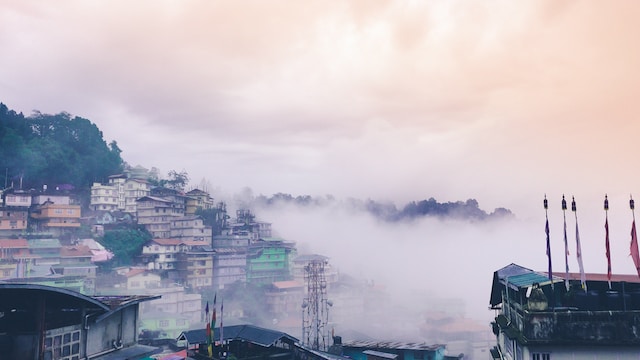
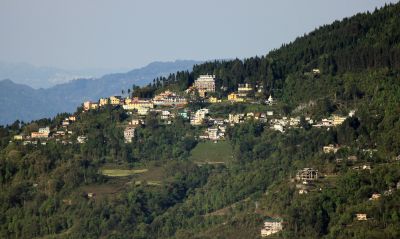
Gangtok is the best introduction if you want to understand the multilingual rhythm of Sikkim without leaving the comfort of a well-connected town. Here you will hear shopkeepers switching between Nepali, Hindi, and English in the same conversation. Cultural centres, bookstores, and monastery surroundings often offer a chance to learn more about local scripts, poetry, and oral traditions.
Spend at least one full day in Gangtok beyond the usual sightseeing. Visit the local market areas, speak to guides, and ask about the meaning of place names, family names, and religious terms. Even a short conversation can show you how language flows through everyday urban life in Sikkim.
Dzongu: a meaningful stop for Lepcha culture
Dzongu in North Sikkim is one of the most important areas for Lepcha heritage. It is often discussed in the context of cultural preservation because several Lepcha families, traditions, and community efforts remain active here. Getting to Dzongu usually takes time, and travel conditions can vary with weather, but the journey is worthwhile if your interest is language, folklore, and village life rather than just quick sightseeing.
When you visit, be patient and observant. Many stories, local names, and instructions from homestay hosts may come with explanations in Lepcha and then in Nepali or English. If you stay in a local homestay for 1-2 nights, ask about songs, household customs, or old words used for plants and seasons. That is often where language preservation becomes tangible.
Pelling, Ravangla, and Namchi: cultural routes with living speech
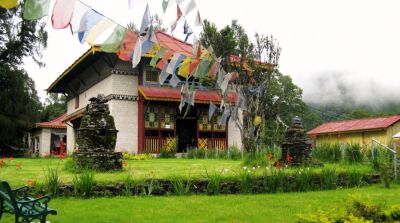
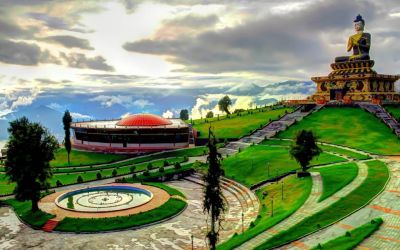
In western and southern Sikkim, places like Pelling, Ravangla, and Namchi are known for monasteries, viewpoints, and easy road access, but they also offer good exposure to the state’s public language mix. Monastic communities may use religious terms and chants that are rooted in Tibetan Buddhist traditions, while local service providers often speak Nepali and Hindi. This is a useful region if you want a soft, flexible itinerary without missing the cultural layer.
Plan roughly 2-3 days for this circuit if you want a balanced trip. You can combine sightseeing with a visit to a local family-run café, a monastery, or a village homestay where you may hear older pronunciation patterns and local stories that do not always appear in guidebooks.
How preservation works: schools, scripts, and community efforts
Language preservation in Sikkim is not just a cultural idea; it is also about education, documentation, and intergenerational teaching. In many communities, elders tell stories in their mother tongue while younger people answer in Nepali or English. This is natural in a multilingual state, but it also means the older language may slowly lose everyday space unless families and institutions actively support it.
Schools, local associations, cultural groups, and monasteries all play a role. In some places, children learn heritage language through songs, short texts, community events, or home practice. Public events and local festivals also help keep vocabulary, pronunciation, and traditional expressions in use. For travellers, understanding this makes your visit more thoughtful: language is not just decoration, it is part of the social fabric.
What you can do as a traveller to support language preservation
You do not need special training to travel responsibly. Small, practical choices matter. If you are polite, curious, and willing to listen, you already contribute positively. Here are a few ways to help:
- Learn a few greetings in Nepali and, if possible, ask locals how to say “thank you” in their own language.
- Choose local homestays where hosts are happy to share stories, songs, and family traditions.
- Buy local books, postcards, or crafts from community-run shops instead of only souvenir chains.
- Ask before recording someone speaking, singing, or performing a ritual.
- Use a local guide who can explain place names, oral history, and cultural context.
- Be respectful of language choice and avoid correcting accents or mixing up communities.
If a guide or host explains that a word has a special local meaning, listen closely and do not rush the conversation. The more interested travellers are in local vocabulary and oral history, the more confident communities feel about keeping those traditions visible.
Festivals and cultural moments where language is especially visible
Festivals are one of the best times to hear Sikkim’s languages in action. Religious chants, folk songs, community announcements, and informal conversations around the venue all create a lively soundscape. Timing matters, so if language and culture are a priority, plan your trip around a known festival period and confirm local dates before booking.
Losar, Saga Dawa, Bumchu, and local harvest-related gatherings often involve community participation and ceremonial language. In some places, dances and songs include older words that may not be used in daily conversation. If you attend such an event, be a patient observer and avoid expecting a “performance” in the tourist sense. These are living cultural moments, not staged shows.
For many Indian travellers, a 5-7 day Sikkim trip in spring or autumn works well. March to May and October to early December are popular for clearer weather and road conditions, though you should always confirm conditions before travelling, especially if heading to North Sikkim or higher-altitude areas.
Practical travel tips for a language-focused Sikkim trip
A language-conscious trip does not need to be complicated. It just needs a little planning. Most travellers can combine accessible towns with one or two culturally deeper stops. Keep your transport flexible because road travel in Sikkim can take longer than expected due to terrain, permits, and weather.
- Gangtok to Pelling: roughly 4-5 hours by road, depending on conditions.
- Gangtok to Ravangla: roughly 3-4 hours by road.
- Gangtok to Dzongu: travel time varies widely; plan a full day for entry and transfer.
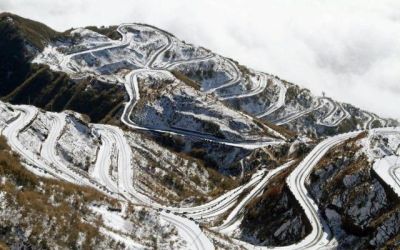
- North Sikkim routes: often require permits and weather checks; do not assume fixed timings.
For budget planning, a clean homestay or mid-range hotel may cost around ?1,800-?4,500 per night in many parts of Sikkim, while more basic stays can be lower and premium properties much higher. Shared local transport is usually cheaper than private vehicles, but for remote routes, hiring a cab may be more practical. Always confirm current rates, road status, and permit requirements before booking, especially for restricted or high-altitude areas.
Suggested 6-day route for travellers interested in language and culture
If your main interest is Sikkim’s language heritage, a simple route can give you a good mix of accessibility and cultural depth. Start with 2 nights in Gangtok to settle in and hear the urban language blend. Then move to 1 night in Ravangla or Namchi for monastery and village conversations. Finish with 2 nights in Pelling or, if logistics and permits allow, 1-2 nights in Dzongu for a deeper engagement with Lepcha culture.
This kind of itinerary gives you time to hear differences in speech, notice how people address elders, and see how local identity is expressed through signs, songs, and storytelling. It also avoids the mistake of rushing through too many viewpoints without connecting to the people who live there.
Frequently Asked Questions
Which language is most useful for travellers in Sikkim?
Nepali is the most useful everyday language in many parts of Sikkim, especially in markets, local transport, and homestays. English is also widely understood in hotels and tourist services, while Hindi is often helpful in towns. A few polite words in Nepali can go a long way.
Can I experience Lepcha language on a short trip?
Yes, but it is easier if you plan specifically for it. Dzongu and some community-based cultural settings are better for hearing Lepcha in a more natural context. A short city-only trip may not be enough unless you connect with a local guide or cultural group.
Is it rude to ask people what language they speak?
Not at all, if you ask politely and with genuine interest. Many locals are happy to explain the difference between Nepali, Lepcha, Bhutia, and other forms of speech used in their community. What matters is that you ask respectfully and do not treat it like a novelty.
Do I need permits for language-focused travel in Sikkim?
Some areas, especially in North Sikkim and border-sensitive zones, may require permits or specific travel arrangements. Rules can change, so check current requirements before finalising your trip. Your hotel, operator, or local tour provider should be able to guide you.
What is the best season for a cultural trip to Sikkim?
Spring and autumn are generally the most comfortable for road travel and outdoor exploration. March to May and October to early December are commonly preferred, though weather can vary by altitude. If you want to attend a festival, plan around local dates rather than relying only on season.
How can I support local language preservation beyond my trip?
You can recommend local homestays, buy books or crafts from community-run businesses, and share respectful stories about your experience. If a local guide, teacher, or cultural worker explains a tradition to you, credit that knowledge when you speak about your trip. Small visibility can matter a lot.
Final thoughts
Sikkim is one of the best places in India to see how language, landscape, and identity live together. If you travel with patience and curiosity, you will notice that every valley, monastery, market, and homestay has its own voice. That is what makes a trip here richer than a standard sightseeing loop.
If this guide helped you understand Sikkim language preservation better, please share the post with fellow travellers who care about culture as much as scenery.
Disclaimer : The information provided in this blog is for general informational purposes only. While we strive to keep the content accurate and updated, TravelSetu assumes no liability for errors or omissions. If you believe any part of this blog infringes your rights or causes concern, please notify us immediately at info[at]travelsetu[dot]com so that appropriate action can be taken.