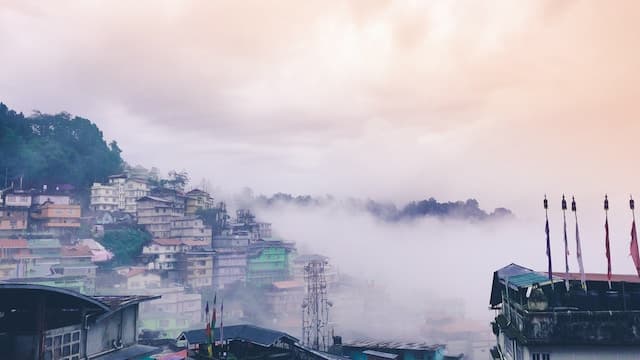
If you are planning a trip to Sikkim and want to understand more than just the viewpoints and monasteries, this guide is for you. The monastic education system in Sikkim is one of the most meaningful parts of the state’s cultural life, and it helps you see why monasteries here are not just places of prayer but also centres of learning, discipline, and community service.
By the end of this article, you will know how monastic education works in Sikkim, which monasteries are closely associated with it, what a visit can look like, and how to experience it respectfully as a traveller in North-East India.
What Monastic Education Means in Sikkim
In Sikkim, monastic education is the formal and informal training given inside Buddhist monasteries, especially those following the Tibetan Buddhist traditions found across the state. It combines religious study, chanting, ritual practice, moral discipline, language learning, and the day-to-day routine of monastic life. For many families in Sikkim, sending a child to a monastery is not just about religion; it is also about preserving identity, values, and scholarship.
The system is closely tied to the Nyingma and Kagyu traditions, though you will also find influences from other schools of Tibetan Buddhism. Young monks, and in some cases nuns, learn scriptures, memorise prayers, study philosophy, and participate in ceremonies that keep centuries-old traditions alive. When you visit a monastery in places like Rumtek, Pemayangtse, Tashiding, or Enchey, you are seeing the living result of this education system.
How Monastic Learning is Structured
Monastic education in Sikkim does not always follow a single uniform syllabus, but the routine usually has clear layers. Younger novices begin with basic prayers, etiquette, and memorisation. As they grow older, they move into deeper study of Buddhist philosophy, ritual texts, debate, astrology in some traditions, and the use of ritual instruments.
Early training
The first stage is often about discipline. Children learn how to sit through long prayers, chant in rhythm, keep their robes properly, maintain silence when required, and participate in daily chores. They also learn Tibetan script or transliterated liturgy, depending on the monastery and local tradition.
Advanced study
More senior monks study texts on ethics, logic, cosmology, and meditation. At larger monasteries, senior scholars or khenpos guide the students. Some monasteries also hold examination-style sessions, while others rely more on oral transmission and memorisation. This is why two monasteries in Sikkim may feel similar to a visitor on the surface, yet differ greatly in teaching style and intellectual focus.
Ritual and service
Education is not limited to books. Monks learn how to conduct ceremonies for local households, festivals, and life-cycle events. They are trained to serve the community through prayers for health, prosperity, protection, and memorial rites. This connection between learning and service is one reason monastic life remains relevant in modern Sikkim.
Why Sikkim’s Monasteries Matter to Travellers
If you are travelling through Sikkim, you will quickly notice that monasteries are not museum-like monuments. They are active institutions where education, worship, and daily life continue together. This makes them especially rewarding for visitors who want to understand the cultural side of North-East India.
At monasteries such as Rumtek near Gangtok, Pemayangtse near Pelling, and Tashiding in West Sikkim, you may see young monks studying, elders leading prayers, and local devotees arriving with offerings. The atmosphere is often calm, but it is also purposeful. You are not just looking at architecture; you are observing an education system that has shaped Sikkimese Buddhist society for generations.
For travellers, this also means that a monastery visit should be approached with care. Dress modestly, walk quietly, and ask before taking photographs. In many monasteries, especially during prayers or teaching hours, your presence should remain unobtrusive.
Important Monasteries Linked to Monastic Education
Sikkim has many monasteries, but a few are especially useful if you want to understand the educational side of monastic life. Here is a practical overview.
| Monastery | Area | Why it matters for monastic education | Good for travellers? |
|---|---|---|---|
| Rumtek Monastery | Near Gangtok | Major seat of learning and ritual tradition in the Kagyu school | Yes, especially for first-time visitors |
| Pemayangtse Monastery | Near Pelling | Old monastery with strong scholastic and ritual importance | Yes, ideal with a West Sikkim itinerary |
| Tashiding Monastery | West Sikkim | Highly revered centre associated with religious practice and training | Yes, if you are exploring the district deeply |
| Enchey Monastery | Gangtok | Active monastery with regular rituals and community learning | Yes, easy to include in Gangtok |
| Phodong Monastery | North Sikkim route | Known for scriptural learning and ceremonial life | Yes, usually as part of a longer circuit |
If you have only two or three days, Rumtek and Enchey near Gangtok are the easiest to include. If you have more time, West Sikkim gives you a fuller sense of how monastic learning links with older Himalayan traditions.
What a Day in a Sikkimese Monastery Looks Like
A monk’s day in Sikkim is usually structured around prayer, study, chores, and community duties. Morning prayers begin early, often before most visitors have started their day. After that, there may be lessons in scripture, memorisation, or recitation, followed by meals and cleaning duties.
During festival periods, the routine can become more intense. Monks prepare ritual objects, masks, scriptures, and offerings. Senior monks may lead younger ones through long chanting sessions. In some monasteries, especially those with stronger educational traditions, afternoons are used for philosophical discussion or review of texts.
For travellers, this means that the best time to see the educational life of a monastery is usually early morning or around prayer times, if the monastery permits visitors. Still, always remember that you are entering a working religious space, not a tourist attraction designed around your schedule.
Best Time to Experience Monastic Culture in Sikkim
You can visit monasteries in Sikkim year-round, but some months offer a richer cultural experience. March to May and October to early December are generally comfortable for travel, with clearer roads and pleasant weather in much of the state. Winter can be beautiful too, especially in lower-altitude areas, but some routes become colder and less predictable.
If your priority is to see festivals and public rituals, plan around major Buddhist celebrations. Losar, the Tibetan New Year, usually falls between February and March, though exact dates vary. Saga Dawa, which marks important events in the life of Buddha, is another meaningful time to witness community prayers and monastery activity. Dates change every year, so confirm locally before booking.
Festival periods are excellent for observing how education, ritual, and public life come together. Just be prepared for larger crowds, busier roads, and the possibility that accommodation near Gangtok or Pelling may cost more than usual.
Practical Travel Tips for Visiting Monastic Sites
Most monasteries in Sikkim are easy to reach from major towns, but road conditions can vary, especially in monsoon months from June to September. Distances may look short on a map, yet hilly roads can take longer than expected. For example, Gangtok to Rumtek is roughly 20-25 km and may take about 45-60 minutes depending on traffic and road conditions. Gangtok to Enchey is much shorter, usually around 15-20 minutes.
- Dress modestly: Wear clothes that cover your shoulders and knees.
- Ask before entering prayer halls: Some areas may be closed during rituals or study sessions.
- Do not interrupt classes or prayers: If monks are studying, keep your voice low and move quietly.
- Photography rules vary: Ask permission before taking pictures of people, murals, or texts.
- Carry small cash: Offerings and donations are usually accepted in cash, often from Rs.50 to Rs.500 depending on your comfort.
Entry to many monasteries is free or may involve a small donation. Guided visits, if arranged locally, are often modestly priced and can be well worth it if you want context rather than just a quick stop. Always confirm current rules before you go, as access policies can change during festivals or renovation work.
Suggested Itinerary for Travellers Interested in Monastic Education
If you want to build your Sikkim trip around monastic learning, a 4-6 day itinerary works well. Start with Gangtok and visit Enchey Monastery, Rumtek Monastery, and nearby viewpoints. This gives you both accessibility and a strong introduction to living monastery culture.
From there, move to Pelling for Pemayangtse Monastery and a slower West Sikkim experience. If your schedule allows, continue to Tashiding, which adds a deeper spiritual dimension to the journey. Travel between Gangtok and Pelling can take around 4.5-6 hours by road depending on the route and conditions, so plan accordingly.
Budget-wise, a comfortable trip in Sikkim often ranges from Rs.2,500-Rs.5,000 per night for decent hotels or homestays, while transport for a private vehicle may cost more depending on route, season, and group size. Monastery visits themselves are inexpensive, which makes this one of the most rewarding cultural themes to build a trip around.
Why Monastic Education Still Matters Today
Monastic education in Sikkim remains important because it keeps language, ritual, discipline, and community memory alive. In a rapidly changing state where more people travel, study, and work outside their villages, monasteries continue to offer continuity. They are also cultural anchors during festivals, family rituals, and major local events.
For younger generations, monasteries can provide identity and stability. For visitors, they offer a chance to understand Sikkim beyond scenery. If you take the time to observe carefully, you will see that these institutions are not frozen in the past. They are adapting while still preserving traditions that have shaped the region for centuries.
Frequently Asked Questions
Can tourists attend prayers in Sikkim monasteries?
In many monasteries, visitors can watch prayers quietly from the side, as long as they do not disturb the proceedings. Some monasteries may restrict access during special rituals or study sessions. Always ask a local monk or caretaker before entering the prayer hall.
Are there monasteries in Sikkim where children study as monks?
Yes, many monasteries in Sikkim have young novices who live and study there. Their routine usually includes prayers, memorisation, etiquette, and simple chores. The exact age and study structure can vary from monastery to monastery.
Is there a fee to visit monasteries in Sikkim?
Most monasteries do not charge a fixed entry fee, though donations are often welcome. Some sites may request a small contribution for maintenance. Keep some cash ready, usually in small denominations.
What is the best monastery in Sikkim for learning about Buddhist education?
Rumtek Monastery is one of the best-known places to understand the monastic tradition in Sikkim, especially if you are starting in Gangtok. Pemayangtse and Tashiding are also important if you want a broader view of religious learning in West Sikkim. Each one offers a different experience, so the best choice depends on your route.
Can you take photographs inside monasteries?
Sometimes yes, sometimes no. The rules differ by monastery and by area inside the complex. Even where photography is allowed, avoid using flash and never photograph monks or sacred objects without permission.
When should I plan my trip if I want to see festivals?
Plan around late winter or spring if you want a better chance of seeing important Buddhist festivals, though exact dates change each year. Losar and Saga Dawa are especially meaningful times, but confirm the calendar locally before finalising your travel dates. Festival weeks can be crowded, so book accommodation early.
Conclusion
The monastic education system in Sikkim is one of the most important cultural threads in the North-East, and it adds depth to any trip beyond the usual sightseeing route. When you visit monasteries with patience and respect, you do not just see beautiful architecture; you see a living educational tradition that still shapes daily life in the hills.
If this guide helped you understand Sikkim better, please share this post with fellow travellers planning a journey to North-East India.
Planning a North-East trip?
Tell us your dates and who is travelling. Up to three local travel companies send you their itinerary and price.
Get free quotesDisclaimer: The information in this blog is for general information only. We try to keep it accurate and up to date, but TravelSetu accepts no liability for errors or omissions. If you believe any part of it infringes your rights, please write to info@travelsetu.com.