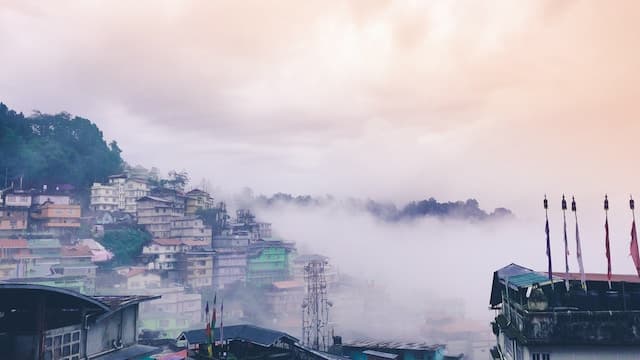
If you are planning a cultural trip to Sikkim and want to understand the people behind the landscapes, this guide to Mun and Lepcha faith is for you. It will help you look beyond monasteries and tourist viewpoints, and see how the Lepcha community in North-East India preserves a living spiritual tradition through ritual, oral memory, and deep respect for forests, rivers, and mountains.
Sikkim is often introduced through its monasteries, tea, and mountain views, but the Lepcha worldview gives the state another layer of meaning. Their faith is closely tied to local deities, ancestral spirits, and the natural world, and the Mun are important female ritual specialists who carry that tradition forward. If you are curious about indigenous culture in North-East India, this is one of the most rewarding subjects you can explore.
Understanding Lepcha faith in Sikkim
The Lepchas are widely regarded as the original inhabitants of Sikkim and parts of the eastern Himalayas. Their spiritual tradition is older than the spread of Buddhism in the region, though over time many Lepchas have blended old beliefs with Buddhist practices. This makes Lepcha faith less like a fixed religion and more like a living cultural system, shaped by land, family, and community memory.
At its core, Lepcha faith is nature-based. Mountains, lakes, stones, rivers, caves, and forests are not just physical places; they are spiritually charged spaces. Many Lepcha households preserve reverence for ancestors and for local protective powers that are believed to guard villages, crops, and homes. When you travel through rural Sikkim, especially in areas where the Lepcha population is strong, you may hear stories that connect a ridge, stream, or grove to a spirit or origin tale.
Who are the Mun?
The Mun are female shamans or ritual healers in Lepcha society. They are central to ceremonies that involve healing, exorcism, protection, thanksgiving, and communication with the spirit world. In many communities, a Mun is respected not only for ritual knowledge but also for her ability to preserve songs, oral history, and traditional lore.
The role they play
A Mun may be called upon when a person is unwell, when a family seeks protection, or during community rituals tied to seasonal change. Their work can include chanting, prayer, invocations, offerings, and guided ceremonies led with the help of drums or ritual objects. These practices are not performed as tourist spectacle; they are living, private, and sacred acts within the community.
Why women matter in this tradition
In Lepcha culture, women have long held important roles in transmitting language, stories, and ritual knowledge. The Mun reflect that continuity. For visitors, this is one of the most interesting aspects of Lepcha spirituality, because it shows a cultural system where authority, memory, and healing are not limited to formal religious institutions.
Where you can experience Lepcha culture in Sikkim
If you want to understand this faith with sensitivity, choose places where Lepcha culture is still visibly practiced. North Sikkim, Dzongu, and parts of Mangan district are especially meaningful because they are associated with Lepcha identity and traditional landscapes. You may also encounter Lepcha families and cultural institutions in and around Gangtok, though the deeper rural context is often found outside the capital.
Dzongu
Dzongu is often described as a protected Lepcha region in North Sikkim. It is not a theme park for culture; it is a living area where people farm, worship, and host visitors in homestays. If you stay here, you get a better sense of the relationship between the community and its land. Expect simple accommodations, local food, and slower travel pace.
Yuksom, Gangtok, and nearby cultural centres
In West Sikkim and Gangtok, you may find museums, cultural organisations, and events where Lepcha heritage is showcased. These are useful starting points if your trip is short. Yuksom is also valuable for understanding Sikkim’s broader spiritual history, since many communities in the state overlap in practice and belief.
Key beliefs and symbols you should know
Lepcha faith is rich in symbolism, and understanding a few basic ideas will help you interpret what you see and hear. The natural environment is sacred, but not in a vague way. Specific places often carry ancestral memory or ritual importance, and local stories may explain why a stream, hill, or boulder should be treated with care.
- Nature as sacred space: Forests, rivers, rocks, and mountains are spiritually significant.
- Ancestors: Family lineage and the respect shown to elders shape spiritual life.
- Local deities and spirits: Protective beings are invoked for wellbeing and balance.
- Ritual speech: Chanting, recitation, and oral tradition carry spiritual power.
- Community practice: Faith is often shared through households and villages, not just temples.
You may also hear of myths of origin that connect the Lepcha people to the land itself. These stories are important not because they are easy to classify, but because they explain how identity, memory, and landscape remain linked in daily life.
How Mun rituals are performed
Rituals led by a Mun can vary by village and purpose, so avoid expecting a single standard performance. Some ceremonies are held to treat illness or spiritual disturbance, while others ask for protection before a journey, a marriage, or a farming season. The setting is usually domestic or community-based, with offerings, chants, and the presence of family members.
What you may notice as a visitor
You may observe a carefully prepared altar area, traditional attire, incense, food offerings, and rhythmic chanting. The pace can be slow and solemn. If you are invited to watch a ceremony, do so quietly and only with permission. Photography should never be assumed, and it is best to ask a host before taking even a single picture.
What not to expect
Do not approach a Mun ritual as an entertainment event. There may be no public schedule, ticket, or stage. Some parts of the practice are meant only for participants, and respectful distance is part of respectful travel. If a host says a section is private, accept that without pressing for more access.
Best time to travel and what to plan for
The best months to explore Sikkim for cultural travel are generally March to May and October to November. These periods offer clearer roads, comfortable temperatures, and better chances of reaching interior areas without weather-related delays. Winter can be cold, especially in North Sikkim, while the monsoon months from June to September may bring landslides and road disruptions.
| Season | What it feels like | Travel note |
|---|---|---|
| March to May | Mild weather, blooming hillsides, easier movement | Good for village stays and cultural visits |
| June to September | Heavy rain, mist, occasional landslides | Travel can be slower and less predictable |
| October to November | Clear views, crisp air, pleasant days | One of the best windows for North Sikkim |
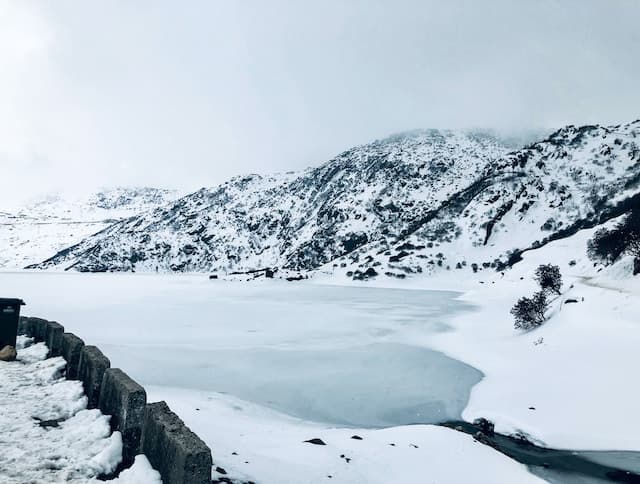
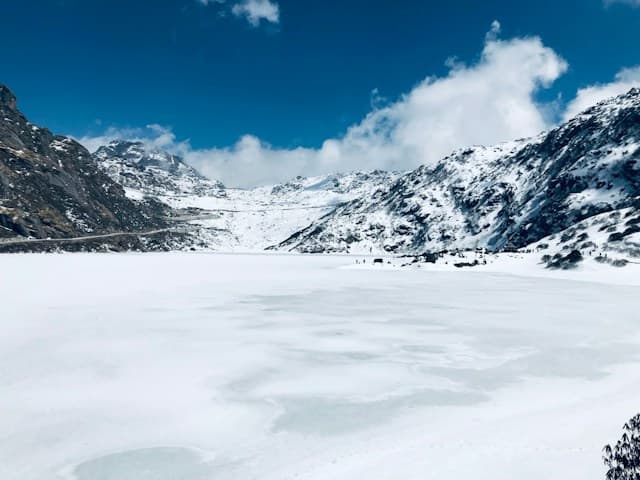
| December to February | Cold mornings and nights, possible snow in higher areas | Check road conditions and heating at your stay |
For a meaningful cultural trip, plan at least 4 to 6 days in Sikkim, with 2 to 3 days in North Sikkim or Dzongu if your itinerary allows. That gives you enough time to travel without rushing and to spend unhurried hours with local hosts.
How to reach and move around
The usual entry point is Bagdogra Airport in West Bengal, followed by a road transfer to Gangtok. The drive from Bagdogra to Gangtok is typically around 4.5 to 6 hours, depending on traffic and road conditions. If you are heading toward Dzongu or other parts of North Sikkim, add more time for mountain roads and permit checks where applicable.
Shared cabs and private vehicles are common in Sikkim. For a comfortable trip, many travellers choose private transfers, especially when moving between Gangtok, Mangan, and village homestays. Shared cabs are cheaper, but they are less flexible if you want to stop for photographs, tea, or a conversation with a local guide.
Approximate travel costs can look like this: a shared cab from Bagdogra to Gangtok may cost around Rs.500-Rs.1,200 per seat, while a private vehicle can range from Rs.4,000-Rs.7,000 or more depending on the season and vehicle type. Homestays in cultural areas often cost around Rs.1,500-Rs.3,500 per night, while mid-range hotels in Gangtok may be around Rs.2,500-Rs.5,500 per night. These are indicative only and can change quickly during peak season.
How to travel respectfully
Because Lepcha faith is deeply personal and community-led, respectful behaviour matters more here than in many mainstream tourist settings. If you are invited into a home or ritual space, treat the visit as a privilege. Ask before entering a prayer area, remove your shoes if requested, and accept food or tea with gratitude when offered.
Simple etiquette to follow
- Ask permission before photographing people, altars, or ceremonies.
- Dress modestly, especially in villages and ritual spaces.
- Do not interrupt chants, prayers, or spoken narratives.
- Buy local produce, handicrafts, or meals where possible to support the community.
- Use a guide or host who understands cultural boundaries if you are unsure.
It also helps to learn a few words in Nepali or, if available through your host, basic Lepcha greetings. Even a small effort signals respect and usually opens the door to better conversations.
What to eat and where to stay
Food in Lepcha-influenced areas of Sikkim is often simple, fresh, and seasonal. You may be offered rice, vegetables, fermented bamboo shoot preparations, local greens, and tea. In homestays, meals are often home-cooked and can be a highlight of the trip because they connect directly to local life rather than restaurant presentation.
For accommodation, homestays are the best choice if your aim is cultural understanding. In places like Dzongu, they can give you access to conversations about family traditions, agriculture, and community beliefs. In Gangtok, choose a clean, centrally located hotel if you want to use the city as a base and make day trips to cultural sites.
Budget around Rs.1,000-Rs.1,500 per day for simple food and local transport if you are travelling carefully, or more if you prefer private cabs and higher-end stays. As always, confirm current rates before you book.
Frequently Asked Questions
What is the connection between Sikkim and Lepcha faith?
Sikkim is one of the main regions where Lepcha culture remains visible and active. Lepcha faith is part of the state’s indigenous heritage and is tied to the land, oral tradition, and community ritual. When you travel in North Sikkim or Lepcha-dominant areas, you are seeing that tradition in everyday life.
Who is a Mun in Lepcha culture?
A Mun is a female ritual specialist or shaman in Lepcha society. She leads ceremonies for healing, protection, and communication with the spirit world. Her role is both spiritual and cultural, because she preserves songs, stories, and ritual knowledge.
Can tourists attend a Mun ceremony?
Sometimes, but only if a local family or community invites you. These are not public performances, and many parts may be private. If you are allowed to attend, stay quiet, ask before taking photos, and follow your host’s instructions carefully.
Which part of Sikkim is best for learning about Lepcha culture?
Dzongu in North Sikkim is one of the best places to understand Lepcha life in a more authentic setting. You may also find useful cultural context in Gangtok, Mangan, and nearby villages. A homestay is often better than a day visit if you want deeper conversations.
What is the best time to plan a cultural trip to Sikkim?
March to May and October to November are usually the most comfortable months. The weather is generally better, roads are more reliable, and village travel is easier. If you are going to remote areas, always check road and permit conditions shortly before travel.
Is it okay to take photos in villages and ritual spaces?
Only after asking permission. Some people are happy to be photographed, while others may not want it, especially during prayer or ceremony. The safest habit is to ask first and accept a no without any pressure.
Sikkim’s Lepcha faith is not something to rush through or reduce to a cultural stop on a sightseeing route. If you take time to listen, travel respectfully, and stay in places where local voices lead the experience, you will come back with a far richer understanding of North-East India. Share this post with anyone planning a Sikkim trip and looking for a more meaningful way to travel.
Planning a North-East trip?
Tell us your dates and who is travelling. Up to three local travel companies send you their itinerary and price.
Get free quotesDisclaimer: The information in this blog is for general information only. We try to keep it accurate and up to date, but TravelSetu accepts no liability for errors or omissions. If you believe any part of it infringes your rights, please write to info@travelsetu.com.