Sikkim Museum and Archive Access
If you are planning a culture-focused trip to Sikkim, this guide will help you make sense of the museums, archives and heritage spaces you can actually visit, how to reach them, and what to expect once you are there. It is especially useful if you want more than sightseeing in Gangtok and are trying to fit in history, local identity, Buddhist art and old records without wasting time.
Sikkim is small on the map, but its museums and archive spaces can add a lot of depth to your trip. From royal-era collections and monastery art to public record offices and heritage institutions in Gangtok, access is usually possible with a bit of planning, and the experience is far more rewarding when you know the rules before you go.
Why Sikkim’s museums and archive spaces matter
Most travellers come to Sikkim for monasteries, mountain views and short scenic drives, but the state’s museums and archives explain the stories behind what you see outside. They help you understand the Lepcha, Bhutia and Nepali cultural layers, the old monarchy, the region’s Buddhist heritage, and how Sikkim became part of modern India. If you enjoy history, photography, old manuscripts, ethnographic displays or quiet indoor visits on a rainy day, these places are worth building into your itinerary.
For many visitors, the best part is that these institutions are concentrated around Gangtok and nearby areas, so you can cover more than one in a day. Most are suitable for a half-day cultural circuit, usually combined with MG Marg, Enchey Monastery, the Namgyal Institute area or the government museum circuit depending on your route.
Main museums you can visit in Sikkim
State and city museums in Gangtok
Gangtok is the most practical base for museum access in Sikkim. The city has state-run and research-linked spaces that display traditional clothing, musical instruments, ceremonial objects, Buddhist artefacts and photographs from Sikkim’s past. These are usually easy to reach by taxi from MG Marg, with travel times of 10-25 minutes depending on traffic and the exact location.
Expect modest entry fees, often in the range of ?20-?100 per person at public museums, though some research or institution-linked spaces may charge more or may request donations. Most museums in Gangtok are compact, so 30-60 minutes is enough for one stop, and 2-3 hours is comfortable if you are visiting two or three places in one outing.
Namgyal Institute of Tibetology and related collections
One of the most important heritage stops in Sikkim is the Namgyal Institute of Tibetology area in Deorali, Gangtok. Travellers often come here for its collection of Tibetan and Himalayan art, religious objects, rare texts and scholarly atmosphere. It is less like a conventional “museum tour” and more like a serious cultural stop, so you should go with enough time to read labels and look closely at the displays.
The drive from central Gangtok is short, usually around 15-20 minutes, though you should allow extra time in the morning if roads are busy. Entry hours and access conditions may change for maintenance or academic use, so it is wise to confirm the current schedule before leaving your hotel.
Local heritage and monastery-linked displays
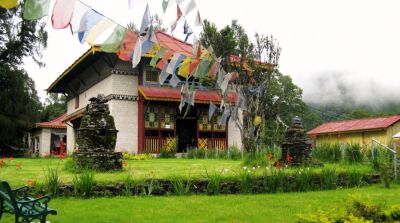
Across Sikkim, some monasteries and cultural institutions keep small display rooms or heritage corners that are open to visitors at certain times. These may not be large museums, but they often show ritual objects, thangka paintings, masked dance costumes and local historical material that give you a more intimate view of the state’s living traditions.
Access rules can be simple yet specific: you may need to remove footwear, avoid flash photography, and respect prayer timings or restricted rooms. Because these are active religious or educational spaces, it is best to treat them as living heritage rather than formal tourist attractions.
Understanding archive access in Sikkim
If your interest goes beyond display cases and you want actual records, old government files or historical documents, archive access in Sikkim is possible but more structured. Archives are not usually walk-in tourist spaces in the way museums are. You may need to apply in advance, carry identification, state your research purpose, and work within fixed reading-room hours.
In practical terms, archive access is most relevant if you are a student, researcher, writer, genealogist or family-history traveller. For example, you may want to look into administrative records, local history references, land or institutional documents, or older reports related to Sikkim’s past. Some collections may have limited public access, while others are more open for supervised consultation.
Expect a quieter, more formal environment than in museums. You may be asked to register your details, use only pencil or laptop for notes, and leave bags outside the reading area. If you are planning serious research, contact the institution several days in advance and confirm whether photocopying, scanning or photography is allowed.
How to plan your museum day in Sikkim
Best places to base yourself
Gangtok is by far the most convenient base for museum and archive access in Sikkim. From here, you can reach most major cultural institutions by taxi without long intercity travel. If you stay near MG Marg, you are well placed for city transport, restaurants and evening walks after your museum visits.
If you are coming from Siliguri or Bagdogra, plan to reach Gangtok the previous evening. The road journey from Bagdogra Airport to Gangtok usually takes around 4-5.5 hours depending on traffic, weather and stops. From New Jalpaiguri, it can also take a similar amount of time by road.
Recommended time windows
Museums in Sikkim are easiest to enjoy in the morning, especially between 10:00 am and 1:00 pm, when you are fresh and crowds are lighter. Afternoons can be fine too, but weather, local traffic and lunch breaks can reduce your pace. Archive reading rooms, if open to visitors, are best handled on weekdays during official hours rather than on a packed sightseeing day.
Try to avoid planning museum access on days when you are travelling long distances to Pelling, Lachung, Lachen or Yumthang, because mountain road timings can be unpredictable. Keep your indoor cultural visits in Gangtok on a relatively relaxed day.
What to carry
- Government photo ID, especially for archives and research spaces
- Cash in small denominations, since some counters may not accept digital payments consistently
- A light jacket, as indoor spaces can feel cool, especially in winter
- A notebook or phone notes for recording names and references
- Water and a simple snack if you plan a long day out
Entry fees, hours and access rules: a practical snapshot
| Type of place | Typical access | Indicative fee | Good to know |
|---|---|---|---|
| State museums in Gangtok | Usually walk-in during open hours | ?20-?100 | Carry cash and check weekly closing days |
| Research-linked museum spaces | Open to visitors, but hours can be specific | ?50-?200 | Some sections may be restricted or under maintenance |
| Archives and reading rooms | Often by registration or prior request | Usually nominal or free; copies extra | ID, purpose of visit and quiet conduct are important |
| Monastery heritage displays | Open during visiting hours, subject to prayer schedules | Donation-based or small fee | Dress modestly and ask before photographing |
These are only indicative ranges. Timings, fees and access rules can change without much notice, so confirm the latest details with your hotel, the institution, or a local taxi driver before you set out.
How to combine museums with the rest of your Sikkim trip
A well-balanced Sikkim itinerary does not need to be museum-heavy, but one cultural day can make the rest of your journey feel richer. A simple Gangtok plan could be a morning museum visit, lunch near MG Marg, an afternoon stop at another heritage site, and an easy evening walk or café break. That keeps the day relaxed and avoids too much back-and-forth in the hills.
If you are staying longer, consider pairing museum access with a monastery circuit. For example, one day can include the Namgyal Institute area, Enchey Monastery and a short Gangtok city walk. Another day can focus on travel toward Rumtek or other cultural sites, depending on your road permit arrangements and transport plan.
Travellers interested in archives should keep one full, low-pressure day aside. Archive visits are rarely something you do in a rush, especially if you need staff assistance to locate records. Build in time for registration, waiting, note-taking and breaks.
Travel tips for families, students and researchers
If you are travelling with family, keep museum time short and targeted, especially with younger children. Choose one or two places rather than trying to cover everything, and combine the visit with food or a scenic stop. Many museums in Sikkim are quiet, which is lovely for adults but can feel slow for small children, so pacing matters.
Students and researchers should contact institutions ahead of time, especially if they need access to archives or special collections. A short email or phone call can save a lot of effort later. Mention your topic, dates and whether you need permission for photography, citations or copies. Also, carry a formal introduction letter if you are visiting as part of an academic project.
For senior travellers, choose accessible locations with shorter walking distances and ask the taxi driver to wait if you prefer a direct return. Gangtok’s roads can be hilly, so even short distances may involve staircases or mild slopes. Comfortable shoes are more useful than formal wear here.
Frequently Asked Questions
Are museums in Sikkim easy to visit without a guide?
Yes, most museums in Gangtok can be visited independently. A guide is not necessary unless you want deeper historical context or you are visiting a place with limited signage. For archives, however, a guide is less important than prior permission and a clear research purpose.
Can tourists walk into archives in Sikkim?
Not always. Archives are often more formal than museums and may require registration, ID and prior approval, especially if you want to see original records. If you are only curious about history, a museum will usually be the easier and more rewarding option.
What is the best season for museum and archive visits in Sikkim?
October to December and March to May are generally comfortable for city-based sightseeing in Gangtok. Winter mornings can be cold, and the monsoon months can affect road movement and schedules. Indoor visits still work in the rainy season, but always allow extra time for transport.
How much should I budget for a museum day in Gangtok?
For one person, a simple day may cost ?500-?1,500 excluding hotel stay, depending on taxi use, entry fees and meals. If you hire a local taxi for multiple stops, the cost can go higher. Archive visits themselves may be inexpensive, but transport and waiting time can add up.
Can I take photos inside museums and archives?
Photography rules vary. Some museums allow photos in certain areas, while others restrict flash or charge a fee; archives often limit photography more strictly. Always ask first, because staff may be more helpful when you show respect for the rules.
Are these places suitable for a half-day trip?
Yes, very much so. A half-day is enough for one or two museums in Gangtok, along with a tea break or lunch. If you are also visiting an archive, give yourself a full day so you are not rushed.
Sikkim’s museums and archives are a good reminder that the state is not only about mountain scenery, but also about memory, scholarship and living culture. If you plan carefully, you can turn a simple Gangtok stop into a meaningful part of your North-East journey.
Share this post with fellow travellers planning a Sikkim trip so they can make their museum and archive visits smoother and better informed.
Disclaimer : The information provided in this blog is for general informational purposes only. While we strive to keep the content accurate and updated, TravelSetu assumes no liability for errors or omissions. If you believe any part of this blog infringes your rights or causes concern, please notify us immediately at info[at]travelsetu[dot]com so that appropriate action can be taken.