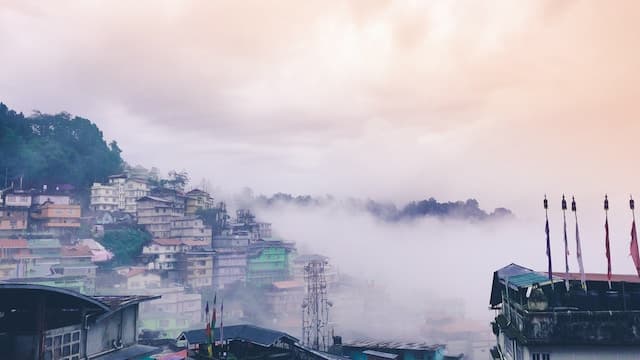
If you are planning a culturally rich trip to the North-East and want something deeper than scenic viewpoints and monastery photos, Sikkim’s nunneries offer exactly that. This guide is for travellers who want to understand how women practice Buddhism here, where to visit respectfully, and what you can actually see, learn, and budget for on the road.
Sikkim has long been one of India’s most important Buddhist regions, and the role of women in its religious life is more visible than many visitors expect. From quiet nunneries near Rumtek and Ravangla to study centres linked with Tibetan Buddhist traditions, you can explore a side of Sikkim that is peaceful, disciplined, and deeply human.
Why Sikkim Matters in the Story of Women in Buddhism
Sikkim is a small Himalayan state, but it sits at an important crossroads of Tibetan Buddhism, local Lepcha and Bhutia traditions, and modern monastic education. In this setting, women have gradually gained more space as practitioners, teachers, translators, ritual participants, and community caretakers. For a visitor, that means the monasteries are not just heritage sites; they are living institutions where women are shaping religious life every day.
In Tibetan Buddhist traditions followed in Sikkim, nunneries are often smaller and less publicised than monasteries for monks, but their spiritual work is just as serious. Many nuns combine daily prayer, memorisation, debate, cleaning, teaching younger novices, and community service. If you are interested in women’s roles in Buddhism, Sikkim is one of the best places in India to see this balance between devotion, education, and social change.
Where to Find Nunneries in Sikkim
You will not find huge numbers of nunneries listed on tourist maps, so it helps to travel with patience and local guidance. Most visitors base themselves in Gangtok, Ravangla, or South Sikkim and then visit monasteries and nunneries as day trips. The experience is less about ticking off landmarks and more about spending quiet time in places where religious life continues at its own rhythm.
Ralang area, South Sikkim
Ralang is one of the most meaningful places to explore if you want to understand Buddhist learning in South Sikkim. The wider area is known for monastic institutions and a calm, rural landscape, and there are nunneries and meditation centres nearby that reflect the everyday religious life of women. From Ravangla, Ralang is usually around 20-30 minutes by road, depending on the exact stop and the condition of the route.
Travel here works best as part of a half-day or full-day itinerary from Ravangla. Roads can be winding, and during the monsoon months of June to September, delays are common, so keep your schedule flexible.
Rumtek and East Sikkim
Rumtek is famous for its major monastery, but the broader East Sikkim belt is also where you may come across women’s religious spaces, study centres, and community-linked institutions. If you are staying in Gangtok, Rumtek is roughly 20-25 km away and usually takes about 45 minutes to 1.5 hours by road, depending on traffic and weather.
Even when a nunnery is not open as a formal sightseeing stop, you can often observe how the local Buddhist ecosystem functions: monastic schools, prayer ceremonies, household support, and women devotees who actively participate in temple life. That wider context is important because women’s Buddhism in Sikkim is not only about one building or one institution.
West and North Sikkim connections
West and North Sikkim are less about nunneries specifically and more about the larger cultural landscape in which women’s Buddhist practice exists. Places like Pemayangtse, Tashiding, and Yuksom help you understand the historical foundations of Buddhism in Sikkim. If you are on a longer route through the state, it makes sense to combine these with visits to nunneries in the south or east.
What You Can Learn About Women in Buddhist Life Here
One of the most rewarding parts of this trip is seeing how Buddhist women in Sikkim live beyond the romanticised image of a quiet retreat. They study scriptures, follow strict routines, and maintain spiritual discipline, but they are also teachers, translators, cooks, administrators, and often the backbone of the institution’s daily functioning.
Daily routine in a nunnery
A typical day may begin before sunrise with prayers, chanting, and cleaning. Depending on the institution, nuns may attend classes in Buddhist philosophy, memorisation sessions, ritual practice, or language study. Some centres also train younger girls, which makes the nunnery both a spiritual and educational space.
Education and changing opportunities
Women in Buddhism across the Himalayas have historically had fewer educational opportunities than men, but that is slowly changing. In Sikkim, more women are studying Buddhist texts, attending organised teaching sessions, and taking on visible leadership roles within their communities. If you speak to local guides or residents with care, you may hear how the younger generation is redefining what it means to be a Buddhist nun today.
Social role beyond the monastery
Many nuns and female practitioners are also important in local rituals, blessing ceremonies, healing practices, and charity work. In villages, women often serve as the link between households and religious spaces. For travellers, this means that a visit to a nunnery is not just about architecture; it is a window into the social life of Sikkim itself.
How to Visit Respectfully
Respect matters in monastic spaces anywhere in the North-East, and it matters especially in nunneries where daily life is quieter and more private. You do not need to be a Buddhist to visit, but you should arrive as a guest, not as a spectator.
- Dress modestly: cover shoulders and knees, and avoid very bright or flashy clothing.
- Ask before entering prayer halls, chanting rooms, or dormitory areas.
- Keep your voice low and switch your phone to silent mode.
- Do not interrupt prayer sessions, classes, or meals unless invited.
- Offer a small donation only if there is a clearly designated donation box or if a resident tells you it is appropriate.
- Photograph only after asking permission, especially if nuns are studying or praying.
If you are travelling with older family members, children, or a group, make sure everyone understands the tone of the visit. The best way to experience these places is to slow down, listen, and allow the environment to set the pace.
Best Time to Visit Sikkim for This Kind of Trip
The best months for visiting nunneries and Buddhist sites in Sikkim are usually March to May and October to early December. The spring months are good for clear views and comfortable road travel, while the post-monsoon period is often the most pleasant for long drives between Gangtok, Ravangla, and other cultural centres.
| Season | What it feels like | Travel note |
|---|---|---|
| March to May | Mild weather, flowering slopes, good visibility | Good for combining monastery visits with sightseeing |
| June to September | Heavy rain, mist, slippery roads | Possible travel delays; keep buffer time |
| October to early December | Crisp air, clear mountain views, comfortable days | One of the best windows for cultural travel |
| Late December to February | Cold mornings, occasional frost, fewer visitors | Pack warm layers; roads can feel slow in higher areas |
Festival days can be especially interesting if you want to see how monasteries and nunneries come alive, but these dates vary by lunar calendar. If you are planning around a specific ceremony, confirm locally before you book transport or accommodation.
Suggested Itinerary for a Sikkim Cultural Trip
If your main interest is women in Buddhism, a 5-6 day trip works well. You can cover Gangtok, Rumtek, Ravangla, and one or two rural monastic areas without rushing too much.
- Day 1-2: Gangtok - acclimatise, visit major monasteries, speak with a local guide, and understand the wider Buddhist context of East Sikkim.
- Day 3: Rumtek belt - explore the monastic landscape around Rumtek and nearby communities.
- Day 4-5: Ravangla and Ralang area - focus on South Sikkim’s quieter religious institutions and potential nunnery visits.
- Day 6: Flex day - keep this for weather delays, extra time with a local monastery, or a relaxed return to Gangtok.
For most travellers, private cabs are the easiest option because public transport does not always align neatly with monastery timings. For a full-day local cab in Sikkim, expect roughly Rs.3,000-Rs.6,000 depending on route, vehicle type, and season. Shared travel is cheaper but less flexible, especially if you want to stop at smaller religious centres.
Practical Travel Costs and Planning Tips
A cultural trip focused on nunneries does not need to be expensive, but roads, weather, and location do affect pricing in Sikkim. Budget travellers can manage with simple guesthouses, while those who want easier movement between remote sites may prefer private stays and cabs.
- Budget stay: Rs.1,200-Rs.2,500 per night
- Mid-range stay: Rs.2,500-Rs.5,500 per night
- Private cab day trip: Rs.3,000-Rs.6,000
- Meals: Rs.300-Rs.800 per person per day, depending on location
- Local guide or interpretation help: Rs.1,500-Rs.3,500 for a half-day or more, if available
Permit requirements are usually straightforward for Indian travellers in much of Sikkim, but rules can change by area and by season. Some border-adjacent or restricted places may need extra permissions. Always confirm current requirements before booking, especially if you plan to combine your monastery visit with northern routes or border viewpoints.
Frequently Asked Questions
Can I visit nunneries in Sikkim as a general tourist?
Yes, many monastic spaces welcome respectful visitors, though access can vary by institution and by time of day. Some areas are open for prayer visits, while others may be restricted to residents or students. It is always better to ask before entering.
Are there famous nunneries in Sikkim that everyone can visit?
There are a few well-known Buddhist institutions and study centres, but not all nunneries are heavily promoted as tourist attractions. In Sikkim, many women’s religious spaces are low-profile and best visited with local guidance. That quieter setting is often what makes them memorable.
What is the best place to stay for a trip focused on Buddhism and women’s monasteries?
Gangtok is the easiest base if you want access to East Sikkim and transport options. Ravangla is better if you want a slower South Sikkim experience and are planning to explore the Ralang area. If you want to reduce long road time, splitting your stay between the two works well.
How much time should I keep for a meaningful visit?
At minimum, keep one full day for monastery visits and another half-day for a nunnery or quieter religious site. If you want to understand the broader role of women in Buddhism, a 5-6 day itinerary gives you much better context. Short trips can feel rushed.
Is it possible to speak with nuns or attend teachings?
Sometimes, yes, but only if the institution allows it and the timing is appropriate. You should not expect a personal interaction unless it is arranged in advance or invited by the monastery. If you do get the chance, keep questions simple, respectful, and focused on learning rather than curiosity alone.
What should I pack for this kind of trip?
Pack modest clothing, a warm jacket, comfortable walking shoes, and a rain layer if you are travelling between June and September. A scarf can be useful for temple visits, especially in cooler months. Keep cash handy because smaller places may not accept digital payments reliably.
Conclusion
Sikkim’s nunneries and the women who live and study in them add depth to any North-East itinerary. If you travel with curiosity and respect, you will come away with more than photographs: you will understand how Buddhist practice, education, and women’s lives connect in one of India’s most thoughtful mountain states.
If this guide helped you plan your Sikkim journey, please share it with fellow travellers who would appreciate a quieter, more meaningful side of the North-East.
Planning a North-East trip?
Tell us your dates and who is travelling. Up to three local travel companies send you their itinerary and price.
Get free quotesDisclaimer: The information in this blog is for general information only. We try to keep it accurate and up to date, but TravelSetu accepts no liability for errors or omissions. If you believe any part of it infringes your rights, please write to info@travelsetu.com.