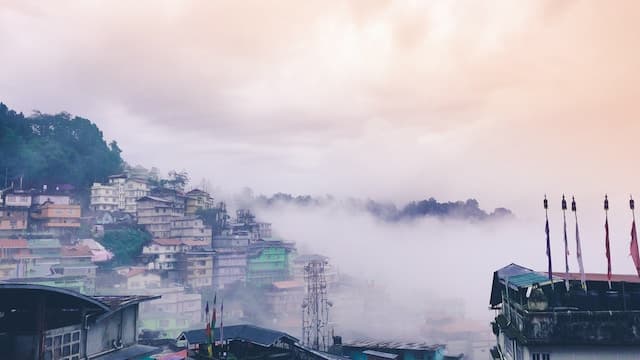
If you are planning a cultural trip to North-East India and want more than scenic mountain views, Sikkim’s oracle traditions offer a rare window into living Tibetan-Buddhist and indigenous ritual practices. This guide will help you understand what these traditions are, where they are observed, how to witness them respectfully, and how to plan a trip around them without missing the practical details.
What Oracle Traditions Mean in Sikkim
In Sikkim, oracle traditions are part of a spiritual world that blends Buddhism, local beliefs, monastery rituals, and the older sacred relationship between people and mountains. An oracle, often called through a ritual medium, is believed to communicate guidance during important ceremonies, festivals, or community matters. For many travellers, this is one of the most fascinating aspects of Sikkim because it is not stage performance; it is a deeply held religious practice.
You may hear local people refer to these traditions in connection with monasteries, protective deities, or ritual specialists. The exact form varies from place to place, and not every monastery or village follows the same customs. That is why a respectful, curious approach matters more than trying to tick off a fixed “show.”
Where You Can Encounter These Traditions
Oracle-related rituals are usually tied to monasteries, festival grounds, and local community gatherings rather than tourist sites with set viewing hours. The best-known experiences tend to happen in and around Gangtok, South Sikkim, West Sikkim, and some rural monasteries where annual ceremonies are still active.
Gangtok and nearby monasteries
Gangtok is the easiest base if you want to explore Sikkim’s ritual culture without long overland travel. From here, travellers often visit monasteries such as Rumtek and Enchey, where large festival days may include masked dances, prayers, and ritual sequences linked to protection and blessing. In some ceremonies, the atmosphere can be intense and charged, especially when the community gathers for an annual religious event.
South and West Sikkim
Places like Ravangla, Namchi, and Pelling are good bases for exploring Sikkim’s Buddhist heritage more broadly. While oracle traditions are not guaranteed at every monastery, these regions host important monasteries and local festivals where ritual specialists may be involved. If you are planning a trip for cultural observation, ask your hotel or local guide which monastery calendars are active during your visit.
Rural villages and festival spaces
Some of the most authentic encounters happen outside the usual tourist circuit, in village settings where rituals are connected to harvest cycles, protective worship, or community well-being. These are not casual drop-in events, so advance local introductions help a great deal. A local guide based in Sikkim will know when visitors may be allowed to observe and when they should stay away.
How Oracle Rituals Are Usually Performed
In simple terms, these traditions revolve around invocation, trance, prayer, chanting, and the presence of ritual authority. Depending on the occasion, a monk, ritual specialist, or medium may enter a state believed to allow communication with a deity or protective spirit. The mood can shift from quiet chanting to strong ceremonial movement, with drums, horns, incense, and masked dancers adding to the atmosphere.
For travellers, it helps to understand that not every ritual is meant for public viewing. Some are open to the community on major festival days; others are private and held for monastery or village needs. You should never assume that because a ceremony is visible, it is automatically acceptable to photograph, record, or interrupt it.
Common elements you may notice
- Monastic chanting and long ritual recitations
- Drums, cymbals, horns, and incense
- Masked dances during larger Buddhist festivals
- Offerings of butter lamps, flowers, or food items
- Periods of silence and controlled movement around the ritual area
Best Time to Plan Your Trip
If your main interest is Sikkim’s oracle traditions and monastery festivals, the timing of your visit matters as much as the destination. Many important rituals happen according to the lunar calendar, so exact dates can change from year to year. That means you should confirm festival schedules with local monasteries or a trusted travel planner before booking.
Generally, the period from March to June is popular for comfortable weather and easier road travel, while October to early December is another strong window with clear views and pleasant temperatures. If you are hoping to see a specific religious event, ask about local festival calendars rather than relying only on season.
| Travel Window | What It Means for You | Notes |
|---|---|---|
| March to June | Good weather, easier sightseeing, many monastery visits | Some festival dates vary by lunar calendar |
| July to September | Lush landscapes, fewer crowds in some areas | Rain can disrupt road travel and views |
| October to early December | Clear skies and comfortable temperatures | One of the best periods for monastery circuits |
How to Observe Respectfully
Respect is everything when you attend a ritual in Sikkim. Many travellers are eager to take pictures or ask questions, but the right approach is to first watch quietly and follow the lead of local participants or monks. If you are unsure, ask before entering a prayer hall or before taking any photograph.
Simple etiquette that matters
- Dress modestly and avoid sleeveless or very short clothing inside monasteries
- Remove footwear where required
- Keep your voice low during prayers and rituals
- Do not walk in front of people who are praying or offering
- Ask permission before photographing monks, ritual objects, or interiors
- Do not touch ceremonial items unless invited to do so
If an event is crowded, stay at the edge of the gathering and avoid standing too close to the ritual space. It is also wise not to try to interpret or comment on trance-like behaviour aloud while the ceremony is underway. Wait until you are outside the sacred area before discussing what you saw.
Suggested Itinerary for a Cultural Trip
For most Indian travellers, a 5 to 7 day trip works well if you want to explore Sikkim’s spiritual side without rushing. Base yourself in Gangtok for at least two nights, then add one or two more regions depending on the festival calendar and road conditions.
- Day 1-2: Arrive in Gangtok, visit Rumtek or nearby monasteries, and settle into the pace of the hills.
- Day 3: Explore local monasteries and ask about any upcoming ritual or festival day.
- Day 4-5: Move towards South Sikkim or West Sikkim for a broader cultural circuit.
- Day 6-7: Add a relaxed sightseeing day for viewpoints, local markets, and monastery visits.
If you are specifically hoping to attend an oracle-linked ceremony, plan your stay around the event rather than trying to fit it into a fixed sightseeing checklist. In Sikkim, the calendar often guides the journey more than the other way around.
Practical Travel Tips for North-East India
Sikkim is well connected by road from Siliguri and Bagdogra, which is the most common entry point for Indian travellers. From Bagdogra to Gangtok, the road journey usually takes around 4.5 to 6 hours, depending on traffic and weather. Shared vehicles are available, but for temple and monastery circuits, a private cab is often more convenient.
For budget planning, expect approximate costs such as Rs.2,500-Rs.4,500 per night for decent hotels in Gangtok, Rs.2,500-Rs.5,500 per day for a private local cab depending on route and season, and Rs.300-Rs.800 for simple meals at local restaurants. Costs can rise during peak holiday periods, so confirm before booking.
Mobile connectivity is generally decent in major towns, though it can weaken in remote stretches. Carry some cash as smaller villages, monasteries, and roadside eateries may not accept digital payment reliably. If you are travelling during monsoon or winter, always ask about road conditions, landslides, and possible delays.
What to pack
- Warm layers, especially from October to March
- Comfortable walking shoes with grip
- A scarf or shawl for monastery visits
- Reusable water bottle
- Power bank and a basic torch for evening travel
- Small cash in Rs.100 and Rs.200 notes
Why These Traditions Matter to Sikkim
Oracle traditions are not a side attraction in Sikkim; they are part of the living identity of the state. They connect communities to faith, memory, protection, and continuity in a landscape where monasteries and villages still play an active role in daily life. For travellers from other parts of India, this is a chance to see how ritual and community life remain closely linked in the North-East.
What makes Sikkim special is that these traditions are still embedded in the present. You are not looking at museum culture. You are witnessing living practice shaped by local belief, seasonal festivals, and the rhythm of mountain life.
Frequently Asked Questions
Can tourists attend oracle rituals in Sikkim?
Sometimes, yes, but only if the ritual or festival is open to visitors. Many ceremonies are community-based, and access depends on the monastery, the day, and the local mood. Always ask a local guide or monastery representative before going.
Is photography allowed during these ceremonies?
Not always. Some monasteries allow discreet photography in public areas, while others prohibit it completely during prayers or rituals. If you are unsure, keep your camera down and ask politely before taking any picture.
Which part of Sikkim is best for cultural experiences?
Gangtok is the easiest base for first-time visitors because it offers access to monasteries and transport links. South Sikkim and West Sikkim are also rewarding if you want a deeper cultural circuit. Your best choice depends on the festival calendar and how much road travel you are comfortable with.
How many days do I need for a trip focused on traditions?
Five to seven days is a good starting point. That gives you time to visit monasteries, speak with local guides, and adjust your plan if a ritual or festival date changes. A shorter trip can work, but it may feel rushed.
Do I need a permit for Sikkim?
Indian travellers generally do not need a special permit for most mainstream tourist areas in Sikkim, but some restricted zones and border regions may require permissions. Rules can change, so confirm before you travel, especially if you plan to go beyond standard sightseeing routes.
What is the best way to learn about oracle traditions without offending anyone?
Go with a local guide, listen more than you speak, and let the monastery or community decide what you may see. Avoid making assumptions or turning the ritual into a spectacle. A respectful attitude will often lead to better conversations and a more meaningful experience.
Sikkim’s oracle traditions offer a deeper kind of travel experience, one that stays with you long after the mountain views fade from memory. If you plan carefully and move with respect, you will come away with a richer understanding of North-East India’s spiritual life and the people who keep these practices alive.
If you found this guide useful, share it with someone planning a cultural trip to Sikkim.
Planning a North-East trip?
Tell us your dates and who is travelling. Up to three local travel companies send you their itinerary and price.
Get free quotesDisclaimer: The information in this blog is for general information only. We try to keep it accurate and up to date, but TravelSetu accepts no liability for errors or omissions. If you believe any part of it infringes your rights, please write to info@travelsetu.com.