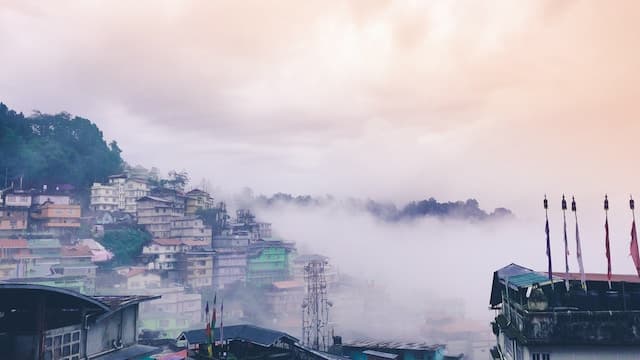
If you are planning a Sikkim trip and want to understand more than just the viewpoints and monasteries, this guide is for you. Prayer flags are one of the most visible and meaningful parts of life in Sikkim, and once you know what they stand for, your journey through the state feels deeper and more respectful. Here, you will learn how prayer flags are used, where you are likely to see them, what they mean to locals, and how to interact with them properly during your North-East trip.
Why Prayer Flags Matter in Sikkim
Prayer flags are not decoration in Sikkim. They are part of everyday spiritual life, especially in areas influenced by Tibetan Buddhist traditions, such as Gangtok, Rumtek, Pelling, Ravangla, Lachen, Lachung, and the high mountain roads leading toward Nathula and North Sikkim. You will see them tied across passes, strung between homes, placed near stupas, and fluttering from bridges, rooftops, and monastery compounds.
For local communities, these flags carry prayers, mantras, and blessings into the wind. The idea is simple and beautiful: as the wind moves through the fabric, it symbolically spreads compassion, peace, and good fortune to all beings. For a traveller, this means the flags are not just photogenic. They are part of a living cultural practice that deserves attention and care.
The Five Colours and What They Represent
Sikkim prayer flags usually come in five colours, arranged in a fixed order. You may notice the same pattern repeated on bridges, mountain ridges, and monastery grounds. Each colour relates to an element and a direction, which gives the flags both spiritual and symbolic balance.
| Colour | Meaning | Common Association |
|---|---|---|
| Blue | Sky and space | East |
| White | Air and wind | West |
| Red | Fire | South |
| Green | Water | North |
| Yellow | Earth | Centre |
Different communities may explain the symbolism in slightly different ways, but the five-colour arrangement is widely recognised across Sikkim. When you see prayer flags stretched across a mountain road, the placement is often intentional, not random. It is common to see a fresh set of flags put up during auspicious days, especially around monasteries and during local festivals.
Where You Will See Prayer Flags in Sikkim
Prayer flags appear almost everywhere in Sikkim, but some places show them more prominently than others. If you are travelling around North-East India and spending time in Sikkim, these are the locations where they become part of the landscape.
Monasteries and stupas
At Rumtek Monastery, Pemayangtse, Enchey, and Lingdum, flags are often tied near prayer wheels, boundary walls, and entrances. In these spaces, they are part of a larger Buddhist environment that includes chanting, butter lamps, and ceremonial activity. If you are visiting during the morning or around prayer time, you may notice more local devotees moving quietly through the grounds.
Mountain passes and roadside viewpoints
Prayer flags are especially common at high-altitude passes such as Nathula, Baba Mandir route points, and the roads of North Sikkim around Lachung and Yumthang Valley. They are often tied where travellers pause for views, which makes sense because wind is strongest in open, elevated places. Along these roads, the flags often flutter against snow peaks and steep valleys, giving the route a distinct Sikkim character.
Village entrances and homes
In villages around Pelling, Yuksom, Ravangla, and East Sikkim settlements, you may see flags across gates, near stone walls, or on rooftops. These are usually placed for blessing and protection. If you are staying in a homestay, especially in rural Sikkim, your host may have a small prayer flag arrangement outside the house or near a family altar.
The Cultural and Spiritual Meaning Behind the Practice
Many visitors see prayer flags as something ornamental, but locals may view them as active carriers of blessing. The mantras printed on them are believed to be activated by wind and spread into the surroundings. In this sense, the flags are less about being read and more about being present in the environment.
Prayer flags also reflect the close relationship between people and the landscape in Sikkim. The mountains are not treated as empty scenery; they are often seen as spiritually significant places. Putting up flags on a ridge, bridge, or roadside is a way of honouring that space while asking for peace, balance, and safe passage.
For travellers, this matters because it changes how you move through the state. Instead of rushing from one viewpoint to another, you begin to notice the small rituals that give the place its rhythm. A line of fading flags on a cliff edge can tell you as much about Sikkim as a famous monastery.
How and When Prayer Flags Are Installed
Prayer flags are generally put up on auspicious days, often chosen with the help of lamas, monks, or elders. Families, monasteries, and community members may replace old flags with new ones at the beginning of a year, before an important journey, or during religious events. You may also see flags hung after the completion of a house, a bridge, or a new road section.
The timing is not always predictable for visitors, so it is better to observe than to assume. During winter and early spring, older flags may look faded or torn. This is normal. In many places, worn-out flags are not treated as waste in the casual sense; they are part of an accepted cycle, because the weather has already carried their blessings across the land.
If you are travelling in months like March to May or October to December, you will likely notice better visibility and stronger colour contrast in the flags, especially in clear mountain light. However, the tradition continues year-round, even during rainy monsoon months when the fabric darkens and frays faster.
Do’s and Don’ts for Travellers
Being respectful around prayer flags is simple once you know the basics. A little awareness goes a long way, especially in monastery areas and village communities where these customs are taken seriously.
- Do walk around flag installations calmly and avoid blocking the path if locals are offering prayers.
- Do ask before touching, moving, or tying a flag at someone’s home or monastery.
- Do keep your voice low near sacred spaces such as monasteries, stupas, and prayer halls.
- Don’t step over prayer flags, especially if they are laid out low on a rope or line.
- Don’t take down flags for a clearer photo or better view.
- Don’t use flags as a prop, sit on them, or treat them like ordinary festival bunting.
If you want to photograph them, do it with care. Wide shots are usually better than close, intrusive framing. Try to include the surrounding landscape, because prayer flags in Sikkim are most meaningful when seen in relation to the mountains, monasteries, and sky.
Best Places in Sikkim to Experience Prayer Flag Culture
Some parts of Sikkim offer a stronger prayer-flag experience because the landscape, faith, and daily life come together so naturally. If your North-East itinerary allows, these places are worth prioritising.
Gangtok and its monastery belt
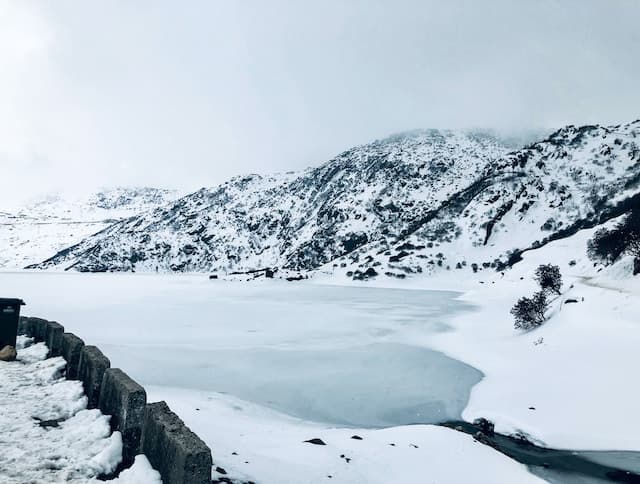
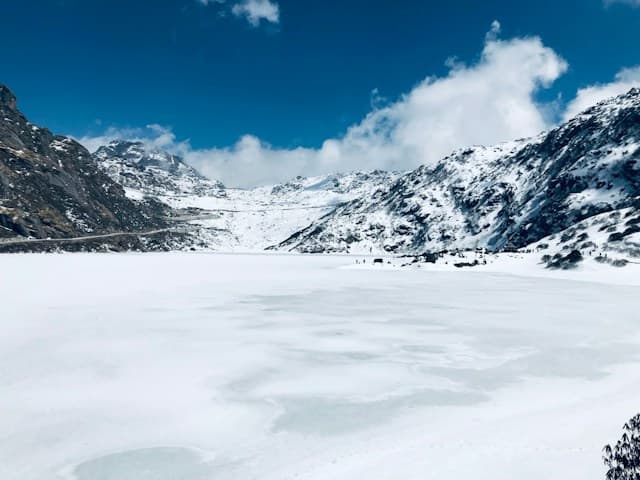
Gangtok is the easiest base for first-time visitors. From here, you can explore Enchey Monastery, Do Drul Chorten, and nearby viewpoints where prayer flags are common. Roads out of Gangtok toward Tsomgo Lake and Nathula also feature dramatic flag-lined sections, especially where travellers stop for tea or photographs.
Rumtek and East Sikkim
Rumtek is one of the most important places to understand Sikkim’s Buddhist culture. The monastery complex, nearby roads, and surrounding settlements show how prayer flags are woven into everyday life. A half-day trip from Gangtok usually gives you enough time to observe the atmosphere without rushing.
West Sikkim: Pelling and Yuksom
Pelling and Yuksom combine heritage, monasteries, and mountain views. You will often see flags near Pemayangtse Monastery, Dubdi Monastery, and smaller village spaces. If you are staying for two nights, you can experience both the tourist-facing spots and the quieter local corners where the tradition feels more personal.
North Sikkim: Lachung and Lachen
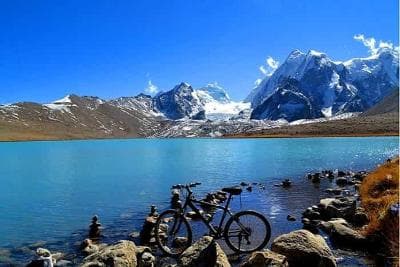
North Sikkim offers some of the most memorable prayer flag scenes in the state. The roads toward Yumthang Valley, Gurudongmar Lake, and mountain village settlements often have flags strung across ridges and bridges. Because permits and weather conditions affect travel here, check arrangements before you go, especially in winter and during monsoon-related road disruptions.
How Prayer Flags Fit Into a Sikkim Itinerary
If you are building a trip around Sikkim’s culture, you can easily include prayer-flag experiences without adding much travel time. A 4- to 6-day itinerary from Gangtok can cover monasteries, local markets, a side trip to Rumtek, and at least one mountain route where prayer flags are prominent. For a longer 7- to 9-day trip, add Pelling and either Lachung or Lachen if permits and road conditions allow.
Typical travel times can help you plan better. Gangtok to Rumtek takes about 1 to 1.5 hours one way, depending on traffic and road conditions. Gangtok to Pelling is usually a longer road journey of roughly 4.5 to 6 hours. Gangtok to Lachung can take 5 to 6.5 hours, while Lachen often takes similar or slightly longer time due to road conditions and weather stops. These are indicative only, and in Sikkim, road time can change quickly.
For budget planning, a decent hotel or homestay in Gangtok may cost around Rs.2,000-Rs.5,000 per night, while simpler homestays in smaller towns can begin around Rs.1,500-Rs.3,000 per night. Shared taxis, private cabs, and package vehicles vary widely by season, route, and permit requirements, so confirm current prices before booking.
Frequently Asked Questions
Are prayer flags only Buddhist?
They are most strongly associated with Tibetan Buddhist tradition, but in Sikkim they are also part of the wider cultural landscape. Many non-Buddhist travellers encounter them as a shared regional symbol of peace and blessing. In practice, their presence is tied to local identity as much as to religion.
Can tourists hang prayer flags in Sikkim?
Yes, but it is better to do so only with guidance from a local host, monastery, or guide. The placement and timing matter in the tradition, so random hanging is not always appropriate. If you want to participate, ask someone knowledgeable rather than improvising.
What is the right way to photograph prayer flags?
Take photos respectfully and avoid touching or disturbing the flags for a better shot. Try early morning or late afternoon light for softer colours, especially in places like Rumtek, Pelling, and the North Sikkim roads. If people are praying nearby, wait until you are not interrupting their moment.
Do faded or torn flags need to be removed?
In many contexts, old flags are allowed to remain until they naturally wear out. The weathering is considered part of the blessing being carried away by the wind. If a monastery or family asks you to help replace them, follow their instruction, but do not assume that old flags should always be taken down.
Are there specific months when prayer flags look best?
They look particularly striking in the clear months from October to December and again from March to May, when the sky is often brighter and visibility is better. Winter snow can create beautiful contrast in higher areas, though some roads may be difficult. Monsoon months may make the colours look muted, but the tradition continues throughout the year.
A Respectful Way to Experience Sikkim
Prayer flags are one of the simplest ways to feel Sikkim’s spiritual rhythm while travelling through North-East India. Once you know what they mean, you begin to notice them not as background decoration but as part of the state’s daily life, faith, and landscape. Travel slowly, observe carefully, and give these traditions the respect they deserve.
If this guide helped you understand Sikkim prayer flag traditions better, please share this post with someone planning a trip to North-East India.
Planning a North-East trip?
Tell us your dates and who is travelling. Up to three local travel companies send you their itinerary and price.
Get free quotesDisclaimer: The information in this blog is for general information only. We try to keep it accurate and up to date, but TravelSetu accepts no liability for errors or omissions. If you believe any part of it infringes your rights, please write to info@travelsetu.com.