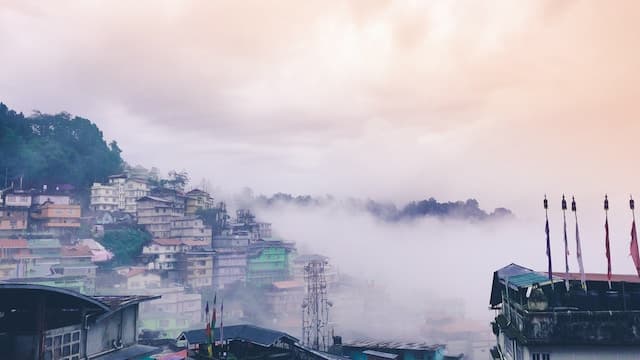
If you are planning a trip to Sikkim and want to understand why it is often spoken about as more than just a mountain destination, this guide is for you. The phrase Sikkim Sacred Landscape UNESCO status comes up often among travellers who want to know whether the state’s monasteries, lakes, peaks, and village traditions are being recognised on the world stage, and what that means for a visit today.
In this article, you will get a clear picture of Sikkim’s sacred geography, the cultural sites that matter most, how UNESCO-style recognition works, and how to plan a respectful trip through one of the most spiritually significant corners of North-East India.
What the Sikkim Sacred Landscape Means
Sikkim is not just a scenic hill state. For many travellers and local communities, it is a living spiritual landscape where mountains, lakes, monasteries, forests, and village customs are tied together by faith and tradition. The idea of a “sacred landscape” is important because it recognises that heritage is not only a building or monument; it can also be a region shaped by belief, pilgrimage, ecology, and daily practice.
In Sikkim, this includes Tibetan Buddhist monasteries, Lepcha and Bhutia cultural traditions, sacred lakes such as Tsomgo and Khecheopalri, and places associated with old trade routes and Himalayan pilgrimage paths. If a UNESCO status is discussed for such a landscape, it usually refers to cultural and natural heritage together, not only one landmark.
Has Sikkim Received UNESCO World Heritage Status?
As of now, Sikkim is not widely recognised as a UNESCO World Heritage Site in the way places like Kaziranga or the Sun Temple at Konark are. However, Sikkim’s sacred landscape is often spoken of in the context of heritage recognition, conservation, and nomination possibilities. That means the conversation is important, but you should be careful not to assume that every reference to “UNESCO status” means the site is already inscribed.
For you as a traveller, this matters because the region is treated as a culturally sensitive and ecologically delicate destination. Even without final UNESCO inscription, the sacred landscape deserves the same kind of respect you would give to a protected heritage zone. Always check current updates before travel, since heritage nomination and listing processes can change over time.
Why Sikkim’s Sacred Sites Matter So Much
Sikkim’s cultural identity is deeply connected to Himalayan Buddhism, especially the Nyingma tradition, along with indigenous communities and their ritual landscapes. Many monasteries are not just tourist stops; they are active institutions where prayers, festivals, and monastic learning continue year-round.
This living character is what makes Sikkim different from a museum-style heritage destination. You may hear monks chanting at dawn, see prayer flags fluttering on ridgelines, or pass through villages where local customs are still tied to the agricultural calendar and seasonal festivals. That blend of faith and everyday life is the essence of the sacred landscape.
Key elements of the sacred landscape
- Monasteries such as Rumtek, Pemayangtse, Tashiding, and Enchey
- Sacred lakes like Tsomgo and Khecheopalri, often approached with reverence
- Mountains and passes that are seen as spiritually meaningful, not just scenic
- Village traditions of the Lepcha, Bhutia, and Nepali communities
- Festivals that bring ritual dances, masked performances, and communal prayers
The Most Important Sacred Places to Visit
If you are exploring Sikkim through the lens of heritage and spirituality, some places stand out immediately. These are not only beautiful but also central to the story of the region.
Rumtek Monastery
Located about 23 km from Gangtok, Rumtek is one of the best-known monasteries in Sikkim and a major seat of Tibetan Buddhist learning. A visit here usually takes 1-2 hours, including time for the prayer halls, courtyards, and surrounding views. The drive from Gangtok typically takes around 45 minutes to 1 hour, depending on traffic and road conditions.
Pemayangtse Monastery
Near Pelling in West Sikkim, Pemayangtse is one of the state’s oldest and most respected monasteries. The monastery is known for its atmosphere of calm, its religious importance, and its connection to the historic Buddhist traditions of the region. If you are based in Pelling, this is an easy half-day outing.
Tashiding Monastery
Tashiding is often described by devotees as one of the holiest sites in Sikkim. It is associated with important rituals and festivals, especially the Bumchu ceremony, which draws pilgrims from across the region. The setting itself is serene, and the monastery works especially well for travellers who want to understand Sikkim beyond the usual viewpoints.
Khecheopalri Lake
About 34 km from Pelling, Khecheopalri is a sacred lake surrounded by forest and legend. Many travellers visit for its spiritual significance as much as its beauty, and local communities maintain strong beliefs about the site. Plan at least 1-2 hours here, and move quietly and respectfully around the lake.
Tsomgo Lake and Nathula region
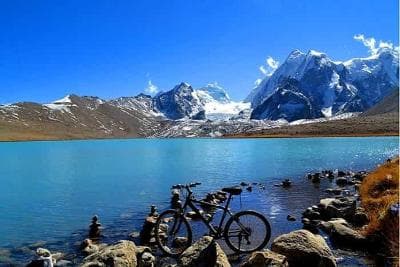
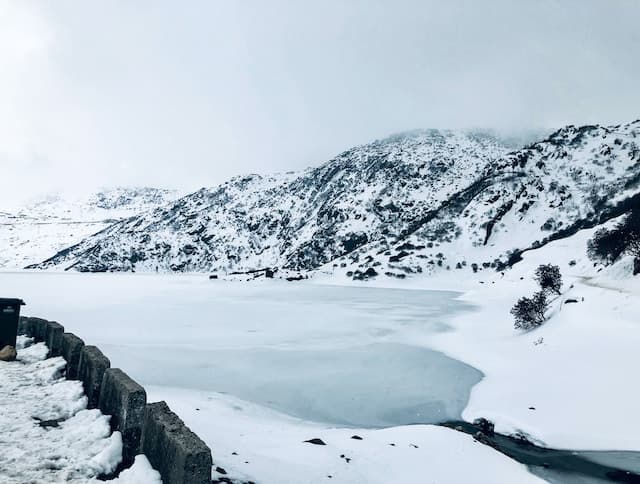
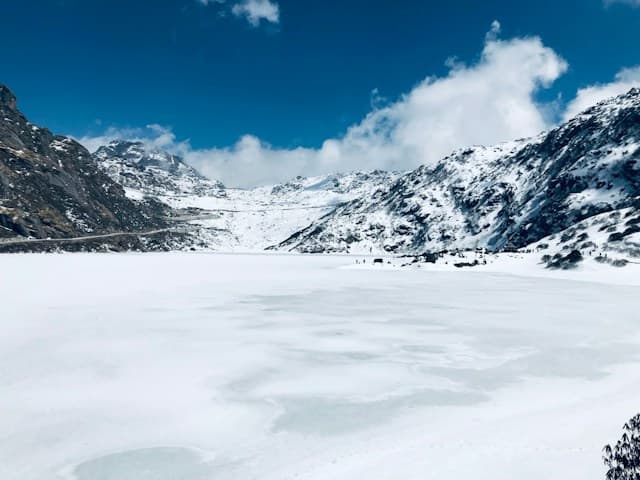
Tsomgo Lake, around 40 km from Gangtok, is one of the most visited high-altitude destinations in Sikkim. It is strongly linked to local beliefs and is often visited as part of a broader east Sikkim itinerary that may also include Baba Harbhajan Singh Mandir and, if permits allow, Nathula Pass. Road access can be affected by weather, so keep your schedule flexible, especially between December and March.
How to Read the UNESCO Angle as a Traveller
When people talk about UNESCO status, they often expect a simple yes-or-no answer. But for a place like Sikkim, the more useful question is whether the landscape has outstanding cultural value and whether that value is being recognised in a formal heritage framework. Even if the final UNESCO label is still uncertain or under discussion, the region already functions like a heritage landscape because it combines living religion, ecology, and community memory.
For you, this means two things. First, you should visit with an understanding that these are not just sightseeing locations. Second, you should support responsible travel practices that help preserve the landscape’s cultural and environmental integrity. Heritage recognition is strongest when local people remain at the centre of it.
Best Time to Visit Sacred Sikkim
The best time to explore Sikkim’s sacred sites is generally March to June and October to early December. During these months, roads are usually more manageable, visibility is better, and the weather is pleasant for monastery visits and lake excursions. Spring also brings rhododendrons in some belts, while autumn offers clear mountain views.
Try to avoid peak monsoon travel in July and August if your itinerary depends on mountain roads, since landslides and delays can disrupt plans. January and February can be beautiful, but cold weather and occasional snow can affect access in higher regions such as Tsomgo or Nathula. Always confirm road conditions and permit requirements before finalising your booking.
Suggested Itinerary for a Meaningful Visit
If your focus is sacred heritage, you do not need to rush from one attraction to another. A slower itinerary helps you understand the rhythm of the place.
- Gangtok for 2 nights: visit Rumtek, Enchey, and the city’s cultural museums.
- East Sikkim for 1 day: Tsomgo Lake and nearby spiritual stops, if permits and weather permit.
- Pelling for 2 nights: cover Pemayangtse, Khecheopalri, and Rabdentse ruins.
- Yuksom or Tashiding for 1 night: ideal if you want a deeper historical and pilgrimage-oriented experience.
A 5-7 day trip is usually enough for a balanced introduction. If you want to combine sacred sites with slower village stays and nature walks, 8-10 days is more comfortable.
Practical Travel Tips for Indian Travellers
Travel in Sikkim is rewarding, but you need to plan carefully because road travel is the main way to move around. Distances may look short on a map, yet mountain roads take more time than you expect. A 70 km journey can easily take 3-5 hours depending on the terrain and traffic.
| Item | Indicative cost | What to keep in mind |
|---|---|---|
| Mid-range hotel in Gangtok or Pelling | Rs.2,500-Rs.5,500 per night | Prices rise in peak season and around festivals |
| Private cab for local sightseeing | Rs.3,500-Rs.7,000 per day | Depends on route, permits, and vehicle size |
| Meals for two | Rs.700-Rs.1,800 per day | Local eateries are cheaper than hotel dining |
| Permits for restricted areas | Usually nominal or arranged through operators | Rules can change; confirm before travel |
Some areas near the border require permits for Indian citizens and may have extra restrictions for foreign nationals. These rules can change based on local administration and security conditions, so do not rely on old internet posts. Your hotel or tour operator should verify the latest requirements before departure.
How to Travel Respectfully in Sacred Sikkim
Because this is a sacred and living landscape, a little sensitivity goes a long way. Dress modestly when entering monasteries, remove shoes where required, and avoid loud conversations inside prayer spaces. If you want to take photos, check first, especially during rituals or inside prayer halls.
It is also wise to avoid touching prayer wheels or ritual objects unless you know the custom. Around lakes and holy sites, many locals prefer a quiet, contemplative atmosphere. Your behaviour shapes how welcome tourists feel in these places, so travel like a guest, not a spectator.
- Carry a light jacket even in summer; evenings can be cool.
- Keep cash handy in smaller towns and rural areas.
- Start early for long drives to avoid fog and afternoon delays.
- Book taxis and stays in advance during holidays and festival periods.
Frequently Asked Questions
Is the Sikkim Sacred Landscape officially a UNESCO World Heritage Site?
It is commonly discussed in the context of heritage recognition, but you should not assume that the entire sacred landscape has already been inscribed as a UNESCO World Heritage Site. Heritage nominations and recognition processes can be complex and time-sensitive. Before travelling, it is best to check the latest official updates.
Which places best represent Sikkim’s sacred heritage?
Rumtek, Pemayangtse, Tashiding, Khecheopalri Lake, and Tsomgo Lake are among the most important names to know. Each offers a different side of the region’s spiritual life, from active monastic traditions to sacred natural sites. If you have limited time, combine one monastery in East Sikkim with one in West Sikkim.
How many days do I need to explore sacred Sikkim properly?
A 5-7 day itinerary is enough for a meaningful overview. If you want to travel slowly, include cultural stops, and avoid rushing mountain roads, 8-10 days is better. This gives you enough time to stay in both Gangtok and Pelling or Yuksom.
Are permits needed for all sacred sites in Sikkim?
No, not for all sites. Most monasteries and lakes are open to Indian travellers, but certain border areas and high-altitude routes may need permits. These requirements can change, so confirm with your operator or hotel before you leave.
What is the best season for photography and clear mountain views?
October to early December is usually one of the best periods for crisp mountain views, while March to May is good for pleasant weather and spring colours. Monsoon months can bring greenery, but cloud cover and landslides may interfere with travel plans. For photography, start early in the day to make the most of clear skies.
Can I combine a sacred heritage trip with nature and adventure?
Yes, and that is one of Sikkim’s greatest strengths. You can pair monasteries and sacred lakes with cable car rides, short nature walks, village stays, and even more adventurous routes if you have enough time. Just keep the pace sensible so the spiritual side of the trip does not get lost.
Conclusion
Sikkim’s sacred landscape is one of the most meaningful ways to experience North-East India. Even as the conversation around UNESCO status continues, the real value of the region is already clear in its monasteries, lakes, rituals, and the everyday life of its communities. If you travel with patience and respect, you will return with more than photographs; you will return with a deeper sense of place.
If you found this guide useful, please share it with fellow travellers planning a Sikkim trip.
Planning a North-East trip?
Tell us your dates and who is travelling. Up to three local travel companies send you their itinerary and price.
Get free quotesDisclaimer: The information in this blog is for general information only. We try to keep it accurate and up to date, but TravelSetu accepts no liability for errors or omissions. If you believe any part of it infringes your rights, please write to info@travelsetu.com.