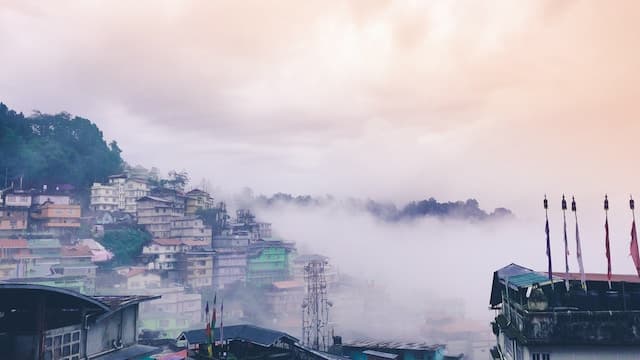
If you are planning a trip to Sikkim and want to understand the land beyond monasteries, tea gardens and mountain views, this guide is for you. Sikkim’s shamanic traditions, especially the role of the bongthing, open a window into the older spiritual world of the Lepcha and broader Himalayan communities. By the end, you will know what bongthing practices mean, where you may encounter them responsibly, and how to travel through Sikkim with the right cultural sensitivity.
What Sikkim Shamanism Means in the Northeast Context
Sikkim sits at a cultural crossroads in the Northeast, where Tibetan Buddhism, Hindu traditions, and older indigenous beliefs have all shaped local life. When people speak of shamanism in Sikkim, they are usually referring to the ritual healing and spirit-mediated practices of indigenous communities, especially the Lepchas. The bongthing is one of the most important ritual specialists in this world, acting as healer, medium, and interpreter between people and the spirit realm.
For travellers, it helps to think of bongthing traditions not as a performance, but as a living system of belief. These practices are tied to illness, misfortune, household protection, agriculture, and the balance between humans and the natural world. You may not witness a ritual on a casual sightseeing trip, but you can still learn about the tradition through museums, community visits, festivals, and respectful conversations with local residents.
Who Is a Bongthing?
A bongthing is a traditional Lepcha shaman or ritual specialist. In many communities, the bongthing is called upon to diagnose spiritual causes of illness, communicate with protective forces, and conduct ceremonies for harmony in the household or village. The role is usually hereditary or learned through long apprenticeship, and it carries social responsibility as much as spiritual power.
The bongthing often works with chants, offerings, ritual objects, and symbolic gestures. In some cases, the ceremony may involve trance-like states or spirit invocation, but the details vary from village to village and family to family. Some bongthings are also respected for practical knowledge of herbs, local ecology, and seasonal cycles, which makes their role closely linked to everyday life in Sikkim’s highland communities.
The Roots of Lepcha Spiritual Traditions
The Lepchas are widely regarded as one of Sikkim’s earliest indigenous communities, with deep connections to the rivers, forests, and mountains of the region. Their spiritual worldview is closely tied to land, ancestry, and local deities or guardian spirits. Long before modern roads and tourism developed in Sikkim, ritual specialists were central to community health and social order.
Over time, Lepcha traditions interacted with Buddhism and later with broader cultural influences from across the Eastern Himalayas. This has created a layered spiritual landscape rather than a single, fixed tradition. In practical terms, you may find that a Lepcha family follows Buddhist customs while still honouring older rituals, or that a village festival includes both monastic and indigenous elements.
Where You Can Learn About Bongthing Traditions in Sikkim
You are unlikely to stumble upon a public “shamanism tour” in Sikkim, and that is a good thing. The most meaningful way to learn is through institutions, community-led experiences, and local guides who understand cultural boundaries. Gangtok is the easiest base, but villages in North and West Sikkim often provide richer context if you travel thoughtfully.
Gangtok and nearby cultural stops
In Gangtok, start with the Namgyal Institute of Tibetology and the Directorate of Handicrafts and Handloom area, where you can learn about Sikkim’s ethnic communities and ritual culture in a broader sense. These places do not focus only on bongthing traditions, but they help you understand the religious mix that defines Sikkim. Allow half a day for such visits, and combine them with a conversation at a local travel desk or community-run guide service.
North Sikkim and Lepcha cultural pockets
Villages and hamlets in North Sikkim, including areas around Dzongu, are often associated with stronger Lepcha cultural continuity. Dzongu, in particular, is known for indigenous identity and conservation-minded community life. Travel here usually takes around 4-6 hours from Gangtok by road, depending on permits, weather, and road conditions. If you are visiting with the hope of learning about ritual traditions, this is one of the most relevant regions in Sikkim, but you should go only through local permissions and community consent.
West Sikkim and village-based encounters
Parts of West Sikkim, including Yuksom and nearby villages, also offer insight into the state’s spiritual landscape, though the emphasis there may lean more toward historical Buddhism and sacred geography. Still, local families and elders may share stories about older beliefs if you are introduced respectfully. Expect any such conversations to arise naturally, not through scripted demonstration.
How Bongthing Practices Fit into Everyday Life
For many families, bongthing traditions are not separate from ordinary life. They may be consulted during periods of illness, before important journeys, during agricultural cycles, or when a household feels spiritually unsettled. The purpose is often restoration of balance rather than spectacle.
Here are some contexts where bongthing-related rituals may be relevant:
- Healing unexplained illness or recurring bad luck
- House blessing or purification after a difficult event
- Seasonal rites linked to farming and forest use
- Protection of livestock, crops, and family wellbeing
- Community ceremonies tied to ancestral memory
If you hear about such practices while travelling, avoid asking for a demonstration as though it were cultural entertainment. A better approach is to ask what the practice means to the family or village, and whether there is a public or educational setting where you may learn more.
Responsible Ways for Travellers to Engage
The most important rule is simple: ask before you photograph, record, or enter a ritual space. Many spiritual practices are private, and even when a ceremony is visible from outside, the participants may not want outside attention. If you are invited to observe, keep your phone away unless you have explicit permission.
It also helps to dress modestly in villages and monasteries, speak softly, and avoid interrupting elders. In Sikkim, people are generally hospitable, but hospitality should never be mistaken for unlimited access. If a local guide says a site or ritual is not open to visitors, accept that boundary without pushing for exceptions.
For a better experience, spend at least 5-7 days in Sikkim rather than rushing through in 2-3 days. That gives you time to move beyond sightseeing and understand the layered culture of the Northeast. A longer stay also lets you adapt to road conditions and altitude more comfortably.
When to Visit and What to Expect
The best months to travel through Sikkim are usually March to May and October to early December, when the weather is generally clearer and roads are more reliable. Monsoon months, roughly June to September, can bring landslides and delays, especially on hill routes to North Sikkim and remote villages. Winter can be beautiful, but higher regions may become cold enough to affect travel comfort.
If you want to combine cultural learning with festivals, ask locally about village calendars. The dates of rituals and community gatherings can change, and many are not advertised widely. This is why it is better to build flexibility into your itinerary instead of fixing every activity in advance.
| Travel Area | Approx. Time from Gangtok | Best For | Indicative Cost |
|---|---|---|---|
| Gangtok city | Within city limits | Museums, context, easy base | Rs.2,500-Rs.5,500 per night for good mid-range stays |
| Yuksom | 4-6 hours by road | History, village atmosphere, monastic culture | Rs.2,000-Rs.4,500 per night |
| Dzongu | 4-6 hours by road, subject to access rules | Lepcha culture, indigenous landscape | Rs.2,500-Rs.5,000 per night |
| North Sikkim routes | Long road journeys with permit checks | Scenery and selective cultural learning | Varies widely with vehicle and permits |
Suggested Itinerary for a Cultural Traveller
If your main goal is to understand Sikkim shamanism and bongthing traditions without rushing, a 6-day itinerary works well. Spend the first 2 days in Gangtok learning the larger cultural context. Use day 3 for a guided excursion to a village or community centre where local identity is discussed with care. Reserve day 4 and 5 for North or West Sikkim, depending on permissions and road access. Keep the final day flexible for weather delays or additional conversations.
This kind of trip is not about ticking off landmarks. It is about listening, observing, and allowing the region to reveal its pace. If you are travelling in a small group, you will also find it easier to ask thoughtful questions and avoid creating pressure on hosts.
Practical Notes on Costs, Permits, and Transport
Sikkim travel is fairly manageable if you plan well, but some areas require permits and local vehicle arrangements. Shared taxis are common on major routes, while private cars are often necessary for remote villages and longer mountain drives. Indicative taxi costs may range from Rs.2,000-Rs.6,000 for regional day trips, depending on distance, vehicle type, and season.
For accommodation, expect homestays in many village areas to cost around Rs.1,500-Rs.3,500 per night, while mid-range hotels in Gangtok may be Rs.2,500-Rs.5,500 per night. Meals can often be kept reasonable at Rs.300-Rs.800 per person per day if you eat local food at homestays or simple restaurants. Always confirm current permit requirements, vehicle rules, and road access before booking, because these can change.
Frequently Asked Questions
Is bongthing the same as a monk or priest?
No, a bongthing is a traditional ritual specialist in Lepcha culture, not a Buddhist monk or a Hindu priest. The role is rooted in indigenous belief systems and community healing practices. In Sikkim, different spiritual traditions coexist, but they are not identical.
Can tourists attend a bongthing ritual?
Sometimes, but only if the family or community invites you. Many rituals are private and held for specific healing or household purposes. If you are permitted to observe, do so quietly and avoid photography unless you receive clear permission.
Where is the best place to learn about Lepcha spiritual traditions?
Gangtok is the easiest starting point because you can visit cultural institutions and arrange guided conversations. For deeper context, communities in North Sikkim, especially around Dzongu, are closely connected to Lepcha identity. Always rely on local guidance and community consent.
Do I need a special permit to visit places associated with Lepcha culture?
Some regions of Sikkim, especially in the north, may require permits or special travel arrangements depending on your nationality and the route. Rules can change, and access can also depend on weather and road conditions. Check with your operator or local authorities before you go.
What should I wear when visiting villages or ritual spaces?
Choose modest, comfortable clothing that suits the mountain climate. A light jacket, long trousers, and covered shoulders are usually a safe choice. Good footwear matters too, since village paths can be uneven or muddy.
Is it appropriate to ask locals about shamanism?
Yes, if you ask respectfully and do not treat the topic like folklore for your entertainment. Start with broad questions about local history, traditions, or the meaning of community rituals. Let the conversation develop naturally, and accept it if someone prefers not to discuss certain matters.
Conclusion
Sikkim’s bongthing tradition reminds you that the Northeast is not only a landscape of mountains and monasteries, but also a living spiritual world shaped by indigenous memory and community care. If you travel slowly, ask respectfully, and keep your expectations open, you will come away with a deeper understanding of Sikkim than any checklist of viewpoints can offer. The experience is richer when you treat it as a cultural exchange rather than a performance.
If this guide helped you plan a more thoughtful trip, please share the post with fellow travellers who are exploring Sikkim and the wider Northeast.
Planning a North-East trip?
Tell us your dates and who is travelling. Up to three local travel companies send you their itinerary and price.
Get free quotesDisclaimer: The information in this blog is for general information only. We try to keep it accurate and up to date, but TravelSetu accepts no liability for errors or omissions. If you believe any part of it infringes your rights, please write to info@travelsetu.com.