If you are planning a trip to Sikkim and want to understand the rhythm behind its festivals, monastery rituals, harvest timings, and local celebrations, the traditional calendar system is a good place to start. This guide is for travellers who want more than scenic views: you will learn how the Sikkim traditional calendar works, why dates shift from year to year, and how it affects the best time to travel through the state.
Sikkim’s calendar is not just a way to count days. It reflects Buddhist practice, local agricultural life, and community customs across Gangtok, West Sikkim, South Sikkim, North Sikkim, and the Himalayan villages that shape daily life in the state.
What the Sikkim Traditional Calendar System Means
The traditional calendar used in Sikkim is largely based on the Tibetan lunar calendar, with local adjustments and religious significance drawn from Vajrayana Buddhist traditions. In simple terms, it does not follow the same fixed structure as the Gregorian calendar that most travellers use for tickets and hotel bookings. Dates for festivals, prayer ceremonies, and auspicious events are often determined by lunar cycles and monastery consultations.
This matters because the same celebration may fall on different English-calendar dates each year. For example, a festival that appears in March one year may arrive in February or April the next year. If you are travelling around major events such as Losar, Saga Dawa, or Pang Lhabsol, you should always check the current year’s dates before booking.
In Sikkim, the calendar is more than religious bookkeeping. It helps organise community life, farming schedules, and seasonal observances in the mountain districts where weather and altitude affect movement, cultivation, and trade.
How the Calendar Works in Everyday Life
Lunar months and shifting dates
The traditional system follows lunar months, so months begin and end according to moon phases rather than fixed solar dates. As a result, festival dates shift every year by several days or weeks in the English calendar. This is why you may see locals discussing a celebration by the lunar date, monastery schedule, or the Tibetan year name rather than just by a fixed date.
This can be confusing for first-time visitors, but it is completely normal in Sikkim. Hotels, monasteries, and local guides usually plan around both calendars and can tell you the likely dates well in advance, though final confirmation may come closer to the event.
Religious significance in monasteries
Monasteries such as Rumtek, Pemayangtse, Tashiding, and Phodong often follow the traditional calendar for prayer cycles, masked dances, and special rituals. These events are not arranged casually; they are linked to sacred days in the Buddhist calendar and often involve monks, local families, and community offerings.
For travellers, this means that the calendar is a direct doorway into Sikkim’s cultural life. If you are timing a visit around monastery festivals, the calendar will shape your experience far more than the weather chart alone.
Key Festivals Tied to the Traditional Calendar
Sikkim’s festival calendar is one of the clearest ways to understand the traditional system in action. Many important observances are based on lunar dates, so they move each year. Here are a few that often interest visitors.
| Festival | Usual timing | Why it matters for travellers |
|---|---|---|
| Losar | Late winter or early spring | Tibetan New Year; family gatherings, prayers, and festive food |
| Saga Dawa | Spring to early summer | Important Buddhist month with processions and merit-making rituals |
| Pang Lhabsol | Late summer or early autumn | Celebrates Mount Kanchenjunga as a guardian deity of Sikkim |
| Lhabab Duchen | Autumn | Observed with prayers at monasteries and homes |
| Drukpa Tshechi | Mid-year lunar date | Associated with the first sermon of Lord Buddha in Buddhist tradition |
Among these, Pang Lhabsol is especially linked to Sikkim’s identity and is closely watched by cultural travellers. It is one of the best examples of how a traditional calendar keeps historical memory alive in the state.
Why the Calendar Matters for Travel Planning
If you are visiting Sikkim from other parts of India, the biggest practical value of the traditional calendar is timing. It affects accommodation demand, road traffic, monastery access, and the overall atmosphere in towns like Gangtok, Pelling, Namchi, Ravangla, and Yuksom.
During major festivals, hotel rates may rise by around 15-40% in popular areas, depending on the destination and demand. In Gangtok and Pelling, a standard room that normally costs Rs.2,500-Rs.5,000 per night may go higher during peak festival weeks. It is wise to book early, especially if your trip aligns with school holidays or long weekends.
Some monasteries may have restricted viewing areas during rituals, while others may allow respectful visitors to observe ceremonies quietly. If you want to attend a specific event, ask your hotel or local guide whether photography is allowed and whether seats or entry arrangements are needed.
Best months for cultural travel
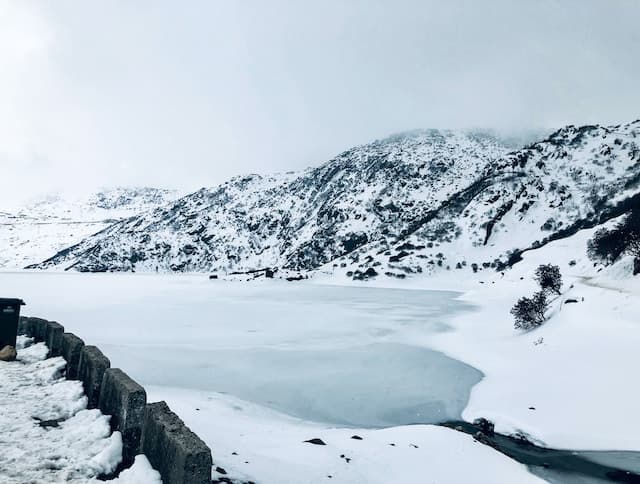
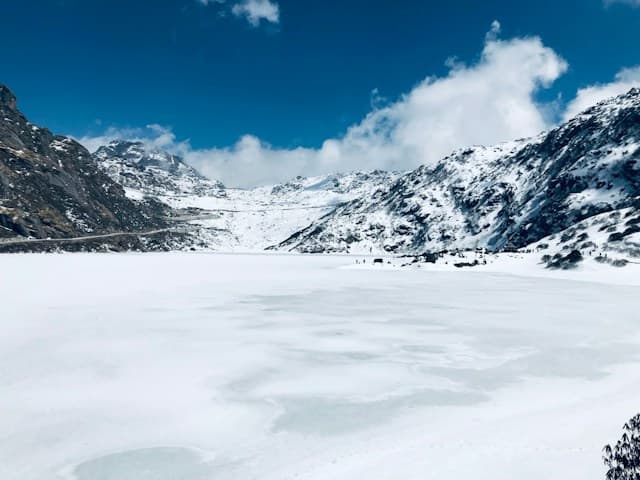
For a balanced mix of weather and festival activity, many travellers prefer March to May and September to November. These months often offer clearer mountain views, manageable road conditions, and a good chance of cultural events. Winter travel from December to February can be beautiful, but mountain passes may be affected by cold conditions or snow, especially in high-altitude routes.
Traditional Calendar and Agriculture in Sikkim
In rural Sikkim, the traditional calendar has long been linked to sowing, harvesting, and seasonal rain. Villages in districts such as West Sikkim and South Sikkim still organise community work and local observances around seasonal shifts, even as modern farming methods have become more common.
The calendar helps people decide when to prepare fields, hold collective prayers for a good harvest, and observe days that are considered favourable for important work. In mountain regions, where weather can change quickly, this kind of timing is practical as well as spiritual.
If you visit villages around Yuksom, Tashiding, or nearby farming belts, you may hear locals refer to agricultural cycles in relation to traditional dates. It is one reason why the calendar remains relevant even for younger generations who use smartphones and digital calendars every day.
Monasteries, Rituals, and the Timekeeping Tradition
Sikkim’s monasteries are among the strongest keepers of the traditional calendar. Monks study ritual texts, observe auspicious dates, and guide community celebrations through the year. This is especially visible in monasteries such as Rumtek near Gangtok, Pemayangtse in West Sikkim, and Tashiding, which is closely associated with sacred pilgrimage culture.
During major ritual days, you may see prayer flags renewed, lamps offered, masked dances performed, and families arriving with food offerings. These are not tourist performances in the narrow sense; they are living religious events. If you attend, dress modestly, speak softly, and follow local instructions without rushing.
For a traveller, the calendar helps explain why some days feel especially active and others feel calm. It also explains why a monastery may be closed to casual visitors at certain hours while a ritual is underway.
How to Read the Calendar as a Visitor
You do not need to study Tibetan chronology to enjoy your trip, but knowing a few basics will help. Ask your hotel or local guide about the current lunar month, nearby festival dates, and whether a monastery event is likely during your stay. In many cases, local tourism offices and monastery staff can provide helpful guidance, though exact timings should always be confirmed close to the date.
- Check both calendars: Use the English calendar for transport and hotel booking, but verify the traditional date for festivals.
- Confirm with locals: Monasteries and local guides often know the most reliable schedule.
- Allow flexibility: If you want to attend a specific ritual, keep one spare day in your plan.
- Respect observances: Some days are for prayer and family ceremonies, not sightseeing noise and crowding.
- Watch road conditions: In the mountains, timing matters because weather can affect access even when the festival date is fixed.
Suggested Itinerary If You Want to Experience It Firsthand
If your goal is to experience Sikkim’s traditional calendar in a meaningful way, a 5-7 day itinerary works well. Start with Gangtok for monastery visits, cultural markets, and easy access to the state’s urban Buddhist centres. Then move to Rumtek or Tashiding if your travel dates coincide with an important ritual.
A common route could look like this: 2 nights in Gangtok, 1 night in Ravangla or Namchi, and 2 nights in Pelling or Yuksom. This gives you a good balance of monastery visits, scenic drives, and enough time to adapt if an event moves slightly because of local scheduling. Road transfers between these towns usually take 2-6 hours depending on the route and weather.
For transport, shared cabs are usually the most practical option in the hills. Private transfers may cost around Rs.3,000-Rs.8,000 for longer intercity routes, depending on vehicle type and season. Local taxi rates change, so confirm before you travel.
Frequently Asked Questions
Is the Sikkim traditional calendar the same as the Tibetan calendar?
It is closely related to the Tibetan lunar calendar and follows similar religious and seasonal principles. In Sikkim, however, local practice and monastery traditions shape how it is used. That is why festival timing may be explained locally in a way that is slightly different from other Himalayan regions.
Why do festival dates change every year?
Festival dates shift because the calendar is based on lunar cycles rather than the fixed solar calendar most people use for daily planning. A lunar month is shorter than a solar month, so the dates move forward or backward in the Gregorian calendar each year. This is normal and expected.
Can tourists attend monastery rituals in Sikkim?
Yes, many monastery rituals are open to respectful visitors, especially during major festivals. However, access can vary by monastery, event, and local religious rules. Always ask before entering, keep your behaviour quiet, and avoid walking in front of monks or during prayer moments.
What is the best time to visit Sikkim for cultural festivals?
March to May and September to November are usually the most comfortable months for combining travel and cultural events. These periods often bring better weather and a higher chance of major observances. Still, exact festival dates should be checked for the year you plan to travel.
Do locals still use the traditional calendar in daily life?
Yes, especially for religious observances, monastery ceremonies, family rituals, and some agricultural planning. Many people use both the traditional and Gregorian calendars side by side. In towns, the modern calendar is common for work and travel, but the traditional system remains culturally important.
Should I plan my hotel booking around festival dates?
Definitely. Popular places like Gangtok, Pelling, and Ravangla can become busier during major celebrations, and rates may rise. Booking early gives you better room choices and reduces the risk of last-minute price spikes.
Sikkim’s traditional calendar system is a practical guide to the state’s spiritual life, seasonal rhythm, and community celebrations. If you understand it before your trip, you will find the monasteries, festivals, and local customs far more meaningful than if you arrived only with a sightseeing checklist.
Share this post with anyone planning a Sikkim trip so they can time their journey better and enjoy the state with more cultural context.
Planning a North-East trip?
Tell us your dates and who is travelling. Up to three local travel companies send you their itinerary and price.
Get free quotesDisclaimer: The information in this blog is for general information only. We try to keep it accurate and up to date, but TravelSetu accepts no liability for errors or omissions. If you believe any part of it infringes your rights, please write to info@travelsetu.com.