If you are planning a trip to Sikkim, water safety may not be the first thing on your mind, but it should be on your packing list. From Gangtok’s hotels to high-altitude stays near Lachung, Pelling, or Zuluk, the way you drink, store, and use water can affect how healthy and comfortable your trip feels. This guide is for Indian travellers who want to enjoy Sikkim without falling sick from unsafe water, unsure stream water, or avoidable food-and-water problems.
You will find practical advice on what is safe to drink, when to carry bottled water, how to handle trekking and river activities, and what to do if you get stomach trouble in the mountains. The aim is simple: help you travel smarter in North-East India and stay well from arrival to departure.
Why Water Safety Matters More in Sikkim
Sikkim is clean, scenic, and generally tourist-friendly, but the mountain environment creates a few water-related risks. Many places are at high altitude, water is often stored in tanks or delivered in pipes, and smaller homestays may rely on local sources that are not always treated in the same way as city supply. Add sudden weather changes, long road journeys, and treks, and it becomes easy to get dehydrated or pick up a stomach infection.
In destinations such as Gangtok, Namchi, Ravangla, Lachung, Lachen, Yuksom, and Pelling, your water choices matter every day. Even if the tap water looks clear, that does not automatically mean it is safe for drinking. For most visitors, the safest habit is to treat all unconfirmed water as non-drinking water unless the property clearly says it is filtered, boiled, or packaged.
What Water Is Safe to Drink in Sikkim?
Bottled water
Bottled water is the easiest option if you want low-risk drinking water during sightseeing. Buy sealed bottles from reputable shops, hotel counters, pharmacies, or busy stores rather than from isolated roadside stalls. A 1-litre bottle usually costs around ?20-?30, though prices may be slightly higher in remote areas like Lachung or Lachen. Check the seal before opening, and avoid bottles that appear refilled or poorly capped.
Boiled or filtered water
Many hotels and homestays in Sikkim offer boiled water or filtered drinking water on request. This is often a good balance between safety and cost. If you are staying for several nights, ask at check-in whether they can provide hot water for drinking or refill your bottle from a purifier. For many travellers, this is more practical than buying multiple bottles every day.
Packaged water for trekking and road trips
If you are driving between Gangtok, North Sikkim, or West Sikkim, carry your own water stock because shops can be sparse on long stretches. For treks around Yuksom, Dzongri, or Goechala routes, always carry enough water before you start. Do not assume that a stream, snowmelt, or roadside spring is safe to drink just because it looks fresh.
| Water source | Safety level for visitors | Best use |
|---|---|---|
| Sealed bottled water | High | Daily drinking, travel days |
| Boiled water | High | Hotels, homestays, tea and coffee |
| Filtered water | Usually safe if property is reliable | Regular use in decent hotels and homes |
| Tap water | Uncertain | Washing, brushing if necessary, not preferred for drinking |
| Stream or spring water | Risky unless treated | Only after filtration/boiling by knowledgeable guides |
Can You Drink Tap Water in Hotels and Homestays?
In most cases, it is better not to drink tap water directly in Sikkim unless the property specifically confirms that it is treated and safe. Even in good hotels, plumbing, storage tanks, and local supply conditions can vary. In homestays, the water may come from a local source that is fine for general use but not ideal for untreated drinking.
Ask these two questions at check-in: “Is the drinking water filtered or boiled?” and “Can I refill my bottle here?” That simple check saves money and prevents uncertainty. If the host hesitates, just use bottled water for drinking and ask for boiled water for tea or coffee.
For brushing your teeth, most travellers use tap water without issues, but if you have a sensitive stomach or are travelling with children, use safe drinking water for that too. A little caution in the first few days can save your holiday.
Water Safety on Treks, Lakes, and Mountain Drives
On trekking routes
Sikkim treks often pass streams, glacial melt channels, and seasonal water points. These can look pristine, but bacteria and parasites are still a risk. If you are trekking from Yuksom toward Dzongri or higher routes, carry water purification tablets, a filter bottle, or a reliable purifier if your trek operator recommends one. Do not drink untreated water on the assumption that high altitude means clean water.
Also remember that dehydration at altitude can feel like fatigue, headache, or nausea. Drink regularly, even if you are not very thirsty. A 1-litre bottle may be enough for a short half-day walk, but for longer hikes you should carry more, especially when sun exposure is strong.
Near lakes and rivers
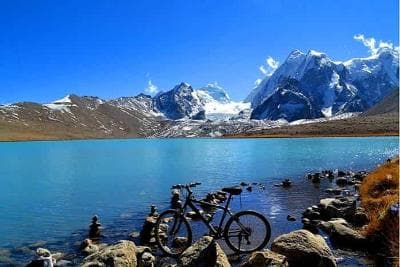
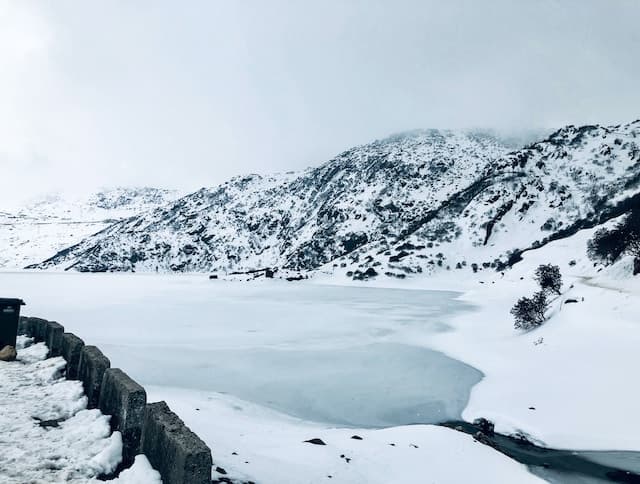
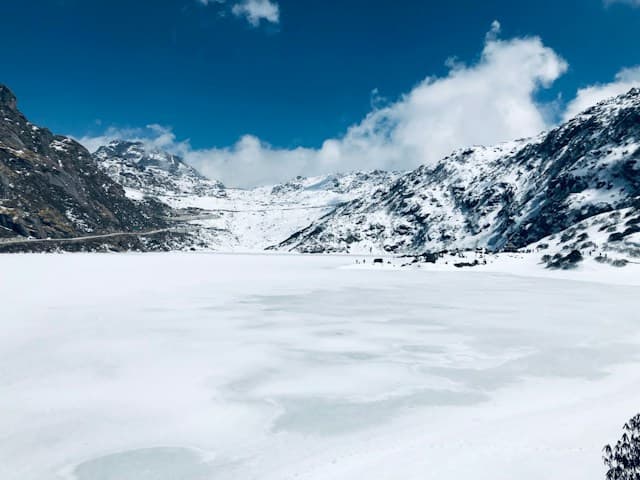
Lakes such as Tsomgo, Khecheopalri, and Gurudongmar draw many visitors, but the water in and around these places is not for casual drinking. In river belts near Teesta or on rafting routes, avoid swallowing river water, even during adventure activities. River water can carry contamination from upstream sources and rainfall runoff.
If you are doing white-water rafting near the Teesta in North Sikkim or around nearby stretches, wear the provided safety gear and keep your mouth closed during rapids. It sounds basic, but it prevents a lot of accidental swallowing. After the activity, rinse your face and hands with safe water if available.
During monsoon and landslide season
June to September is the monsoon window when rain can affect roads, springs, and supply lines across Sikkim. Water systems may become muddier after heavy rain, and road closures can delay fresh supplies to remote areas. In those months, it is even smarter to rely on sealed or clearly treated drinking water.
Monsoon travel also means higher chances of delayed hotel services, so keep a small reserve of safe water in your room. A few extra bottles or a refillable bottle plus purification backup can make a big difference when roads are blocked between Gangtok and North Sikkim.
Food-and-Water Hygiene: Small Habits That Prevent Big Problems
In Sikkim, stomach issues often come from a mix of water quality, ice, raw salads, and travel fatigue rather than water alone. Be careful with ice in drinks unless the restaurant clearly uses purified water. The same applies to fresh juices and local drinks served in small roadside stalls if you are unsure about the source.
Wash hands before eating, especially after long drives, market visits, or public toilets. Carry a hand sanitizer, but remember it is not a substitute for proper handwashing. If you eat at popular restaurants in Gangtok, Pelling, or Ravangla, the turnover is usually better than at isolated eateries, which can help with freshness and hygiene.
If you have a sensitive stomach, stick to hot, freshly cooked food for the first day or two. Soups, rice, dal, momos from busy kitchens, and hot tea are usually better choices than raw salads and cut fruit that may have been washed in untreated water.
What to Pack for Water Safety in Sikkim
- Reusable water bottle so you can refill safely instead of buying too many single-use bottles.
- Water purification tablets or a compact filter bottle for treks and remote stays.
- ORS sachets to manage dehydration if you get loose motions or altitude discomfort.
- Hand sanitizer and tissues for roadside meals and public toilets.
- Light snacks like biscuits, dry fruits, or energy bars for long drives where safe drinking options may be limited.
If you are travelling with children or older family members, pack an extra bottle each day. It is better to carry a little more than to hunt for water after shops have closed in smaller towns.
What To Do If You Get Sick
Mild diarrhoea, vomiting, or stomach cramps can happen even when you are careful. The first step is to stop drinking unknown water and switch to small sips of safe water or ORS. Avoid alcohol, very oily food, and unnecessary dairy until you feel better.
If symptoms are mild, rest and hydrate. If you have fever, blood in stools, severe vomiting, inability to keep liquids down, or symptoms lasting more than a day, seek medical help in the nearest town. Gangtok has better medical access than more remote parts of North Sikkim, so do not wait too long if you are getting worse. Travel insurance is worth having, and you should keep basic medicine only if it suits your health and is approved by your doctor.
Best Practical Rules for Visitors in Sikkim
- Drink sealed bottled water or clearly boiled/filtered water only.
- Do not trust stream, spring, or lake water unless it has been treated properly.
- Carry a refillable bottle and ask your stay for safe refills.
- Avoid ice unless you are sure it is made from purified water.
- Keep ORS and a backup water supply on road trips and treks.
- Be extra careful during monsoon months and after heavy rain.
Frequently Asked Questions
Is tap water safe to drink in Sikkim?
Not by default. In many hotels and homestays, tap water is fine for washing but not ideal for drinking unless the property clearly says it is filtered or boiled. When in doubt, use sealed bottled water or ask for boiled water.
Can I drink water from mountain streams while trekking?
No, not without treatment. Even high-altitude stream water can carry germs from animals, soil, or upstream human activity. Use a filter, purification tablets, or boiled water if your guide confirms the source is suitable after treatment.
Are ice cubes safe in restaurants in Gangtok or Pelling?
Sometimes yes, sometimes no, and you usually cannot know for sure. If you are cautious, skip ice unless the restaurant clearly uses purified water. This is especially sensible if you have a sensitive stomach or a packed itinerary.
What should I do if I get loose motions in Sikkim?
Start with ORS and safe water in small sips. Eat light, avoid greasy food, and rest. If the problem is severe, or you develop fever, dehydration, or blood in stools, see a doctor quickly.
Is bottled water expensive in remote parts of Sikkim?
It can be a little more expensive than in bigger towns, especially in North Sikkim and other remote areas. Expect roughly ?20-?30 per litre in many places, with some variation based on location and availability. Keep a few extra bottles when you are heading into less developed stretches.
Can children drink the same water as adults in Sikkim?
Yes, but children are often more vulnerable to dehydration and stomach infections. For them, stick to sealed bottled water or clearly boiled water, and do not experiment with tap or stream water. Carry ORS and keep them sipping regularly during road travel.
Conclusion
Sikkim is one of the most rewarding destinations in North-East India, and good water habits make the trip smoother, safer, and more enjoyable. If you stick to sealed, boiled, or filtered water, stay cautious with ice and stream water, and carry a small hydration kit, you will avoid most common problems travellers face.
Travel conditions, water supply, and hotel practices can change, so confirm details before booking and before using any water source. If this guide helped you plan better for Sikkim, share this post with someone heading to the mountains soon.
Planning a North-East trip?
Tell us your dates and who is travelling. Up to three local travel companies send you their itinerary and price.
Get free quotesDisclaimer: The information in this blog is for general information only. We try to keep it accurate and up to date, but TravelSetu accepts no liability for errors or omissions. If you believe any part of it infringes your rights, please write to info@travelsetu.com.