Sikkim Wellness Tourism Growth
If you are planning a restorative trip in the North-East, Sikkim is one of the most promising places to watch right now. The state has quietly moved beyond being only a scenic mountain destination and is increasingly drawing travellers for wellness-focused holidays that combine clean air, slow travel, local food, hot springs, monasteries, and nature-led stays.
This guide is for Indian travellers who want to understand Sikkim wellness tourism growth in a practical way. You will come away with the best places to base yourself, the kinds of wellness experiences available, the right season to travel, what kind of budget to expect, and how to plan a trip that feels genuinely restful rather than rushed.
Why Sikkim is becoming a wellness destination
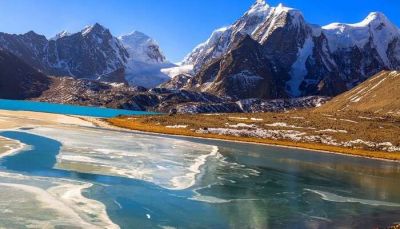
Sikkim has long appealed to travellers looking for mountain calm, but wellness tourism is growing here for a few clear reasons. First, the state already offers a natural setting that supports slow travel: high-altitude air, forested valleys, hot springs, river soundscapes, and small towns where your day naturally slows down. Second, many travellers now prefer experience-led holidays over sightseeing marathons, and Sikkim fits that shift well.
Another factor is the growth of homestays, boutique stays, and community-run tourism in places such as Pelling, Gangtok outskirts, Ravangla, Yuksom, Dzongu, and Lachung. These stays often feel more personal than large hotels, and many of them serve simple, local meals, which suits travellers looking for a lighter, healthier pace. Wellness tourism here is not about glossy spa culture alone; it is equally about walking, eating well, sleeping better, and spending time in quieter landscapes.
What wellness travel looks like in Sikkim
In Sikkim, wellness can take many forms. For some travellers, it means a three-day digital detox in a homestay with mountain views. For others, it is a longer itinerary built around yoga, meditation, monastery visits, forest walks, and short thermal spring stops. The state is especially appealing if you want a trip that feels meaningful without being over-programmed.
Common wellness experiences
- Hot spring visits near places like Reshi and other local spring zones, usually paired with simple stays and nature time.
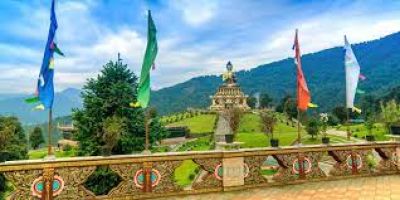
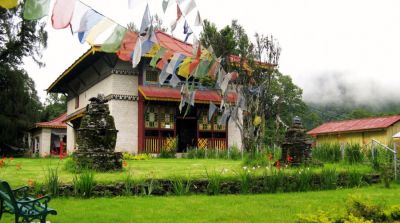
- Monastery visits in places such as Rumtek, Pemayangtse, and Tashiding for quiet, reflective time.
- Forest and village walks in areas like Dzongu, Yuksom, and around Ravangla.
- Yoga and meditation stays offered by select retreats, homestays, and wellness-focused properties near Gangtok and South Sikkim.
- Clean, seasonal eating with thukpa, millet-based food, local greens, teas, and other lighter Himalayan fare.
Wellness in Sikkim works best when you keep the schedule flexible. A packed sightseeing plan can defeat the purpose, especially if you are travelling from low-altitude cities and need time to acclimatise.
Best places in Sikkim for a wellness-focused holiday
Different parts of Sikkim suit different kinds of wellness travel. If you choose the right base, your whole trip becomes easier and calmer. Here is how the main areas compare.
| Place | Wellness appeal | Best for |
|---|---|---|
| Gangtok and outskirts | Easy access, good stays, spa and retreat options, monastery visits | First-time visitors, short breaks |
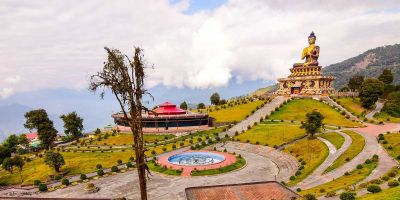
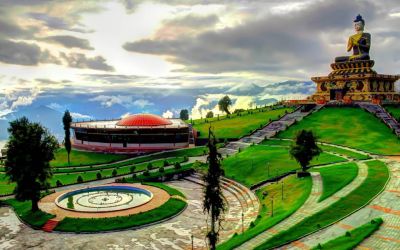
| Ravangla | Quiet mountain setting, flower park, monastery, slower pace | Relaxed escapes, couples, families |
| Yuksom | Heritage village feel, forest trails, calm atmosphere | Walking holidays, slower retreats |
| Pelling | Views, access to monasteries, nature-based stays | Mixed sightseeing and relaxation |
| Dzongu | Community-based travel, forested terrain, low-density tourism | Deep quiet, offbeat wellness |
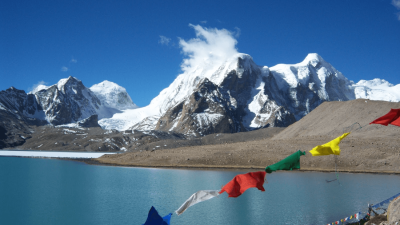
| Lachung and Lachen belt | High mountain scenery, crisp weather, scenic drives | Nature lovers, longer itineraries |
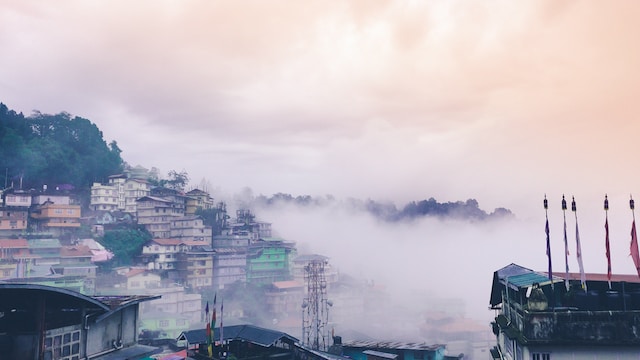
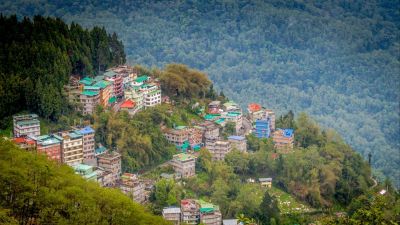
Gangtok works well if you want comfort and flexibility. You can book a good hotel or boutique stay, visit Rumtek Monastery, add a short spa session, and still have time for cafe culture and gentle sightseeing. Ravangla is better when you want less noise and more open space. Yuksom is a strong pick if you enjoy old-world mountain villages and quiet walking routes. Dzongu is one of the most rewarding choices for travellers who want a more rooted, community-based experience, though you should expect simpler infrastructure than in Gangtok.
Best time to plan a wellness trip to Sikkim
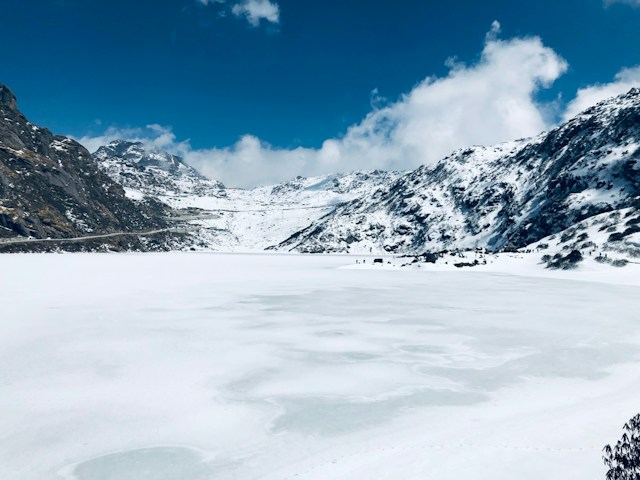
The best time depends on the kind of wellness holiday you want. For most travellers, March to May and October to mid-December are the most comfortable windows. Spring brings rhododendrons, fresh greenery, and pleasant days, while autumn usually offers clearer mountain views and stable weather.
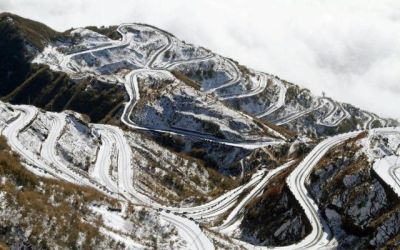
June to September is monsoon season, which can bring landslides, slower road travel, and occasional route disruptions. If you do travel then, keep your plan flexible and avoid tight schedules. January and February can be cold, especially in higher regions, but they work well if you want quiet stays, indoor rest, and lower crowds. Always confirm road conditions and local advisories before booking, because mountain weather can affect movement at short notice.
How to build a restorative itinerary
A wellness trip to Sikkim should leave room to breathe. If you try to cover too many destinations in four or five days, you may spend more time in the car than enjoying the place. A better plan is to choose one or two bases and stay longer in each.
Sample 5-day wellness plan
- Day 1: Arrive in Gangtok, rest, take an easy evening walk, and keep the day light.
- Day 2: Visit Rumtek Monastery and spend the rest of the day in your stay, reading, journalling, or booking a massage or spa session if available.
- Day 3: Transfer to Ravangla or Pelling, with a scenic stop on the way, and settle in early.
- Day 4: Do a short nature walk, monastery visit, or village experience instead of chasing multiple viewpoints.
- Day 5: Slow breakfast, local shopping if time allows, then depart.
If you have 7 days, you can add Yuksom or Dzongu and make the trip feel far more complete. That extra time helps because Sikkim’s wellness appeal is not just in the destination, but in the pace between destinations.
Budget and practical costs
Wellness travel in Sikkim can suit different budgets, but the price depends on the level of comfort you want and the season. Homestays are often the most value-friendly, while boutique resorts and retreat-style properties cost more. Transport costs can also rise during peak holiday periods.
| Expense | Indicative cost |
|---|---|
| Homestay or basic guesthouse | ?1,500-?3,500 per night |
| Mid-range hotel or boutique stay | ?3,500-?8,000 per night |
| Higher-end wellness resort | ?8,000-?15,000+ per night |
| Local meals | ?300-?800 per person per meal |
| Private cab for day travel | ?3,000-?6,500 depending on route and distance |
| Simple spa or massage session | ?1,200-?3,500 |
These are only indicative ranges and can change with season, availability, and location. Remote areas usually cost more for transport and sometimes for food supplies too. If you are booking through a tour operator, ask what is included so you can compare properly. Wellness packages may bundle stays, transfers, yoga sessions, and meals, which can offer better value than booking everything separately.
Food, stays, and the wellness side of local culture
One of the nicest parts of Sikkim wellness tourism is that the culture naturally supports a healthier pace. Many travellers end up eating simpler meals than they do at home, not because options are limited, but because local food feels right for the setting. Soups, momos, thukpa, fresh greens, noodles, rice-based meals, and tea are easy to find across the state.
For stays, look for places that are quiet, clean, and away from traffic. In Gangtok, that might mean a property slightly outside the busiest centre. In Ravangla or Yuksom, it might mean a family-run homestay with mountain-facing rooms. In Dzongu, the experience is often more about connection to the place than luxury features. If you want a wellness-first holiday, check whether the property offers yoga space, early breakfast, walking access, and enough privacy.
Monasteries also play an important role in the wellness story here. Even if you are not religious, their calm atmosphere, prayer chants, and measured routines can make a trip feel more grounded. The idea is not to rush through them as “sightseeing stops,” but to spend a little time quietly and respectfully.
Travel tips for a smoother wellness trip
- Keep your arrival day light. Give yourself at least one slow evening after reaching Sikkim.
- Pack for changing weather. Carry a light jacket, comfortable walking shoes, sunscreen, and basic medicines.
- Do not overbook transfers. Mountain roads can be slower than expected.
- Choose fewer stops. Two bases are usually better than four in a short trip.
- Confirm road permits and route access. Some areas in Sikkim require special permits or have local restrictions that can change.
- Respect local culture. Ask before photographing people or entering monastery spaces.
If you are travelling in a group, make sure everyone is aligned on the purpose of the trip. A wellness holiday works best when the whole group is comfortable with quiet time, early nights, and slower movement. If some people want intense sightseeing and others want rest, the trip can feel split.
Frequently Asked Questions
Is Sikkim good for wellness tourism?
Yes, Sikkim is one of the strongest wellness destinations in North-East India because it naturally supports slow travel. The combination of mountain climate, quiet villages, monasteries, hot springs, and comfortable stays makes it a good fit for restorative holidays. It is especially suitable if you want to switch off from city noise without flying to a faraway international destination.
Which part of Sikkim is best for a calm holiday?
Ravangla, Yuksom, and Dzongu are particularly good if you want peace and less crowding. Gangtok is better if you want access to more hotels, cafes, and easy transport while still having wellness-friendly options. Pelling is a balanced choice if you want scenic views with a calmer pace than the capital.
How many days do you need for a wellness trip to Sikkim?
A minimum of 4-5 days works for a short reset, but 6-7 days is better if you want the trip to feel unhurried. With a week, you can stay in more than one place and still have enough time to rest. Shorter trips can still be refreshing if you avoid packing too many sightseeing stops into them.
Are there hot springs in Sikkim for wellness travel?
Yes, Sikkim has hot spring spots that many travellers associate with relaxation and local wellness traditions. These are usually best combined with a broader nature-based itinerary rather than treated as stand-alone attractions. Before you go, confirm access, road conditions, and seasonal suitability with your local operator or stay.
What kind of budget should I keep for a wellness holiday in Sikkim?
For a comfortable mid-range trip, many travellers spend around ?20,000-?40,000 per person for 4-5 days, excluding long-distance flights or train travel to the nearest gateway city. A more premium retreat-style holiday can cost more, especially if you choose boutique stays and private transport. Your final cost depends heavily on the season, the route, and how remote your chosen base is.
Is Sikkim safe for solo wellness travellers?
Sikkim is generally considered welcoming for solo travellers, especially in established destinations like Gangtok, Pelling, and Ravangla. That said, mountain travel needs common sense: keep your plans flexible, travel during daylight hours when possible, and stay in properties with good reviews and clear transport arrangements. If you are heading to more remote areas, book through a reliable local operator.
Final thoughts
Sikkim’s wellness tourism growth makes sense because the state offers more than a trend; it offers a rhythm. If you choose the right season, stay longer in fewer places, and keep your itinerary gentle, you can return with a real sense of rest instead of just a camera full of photos.
If you found this guide helpful, share the post with someone planning a slow and refreshing trip to Sikkim.
Disclaimer : The information provided in this blog is for general informational purposes only. While we strive to keep the content accurate and updated, TravelSetu assumes no liability for errors or omissions. If you believe any part of this blog infringes your rights or causes concern, please notify us immediately at info[at]travelsetu[dot]com so that appropriate action can be taken.