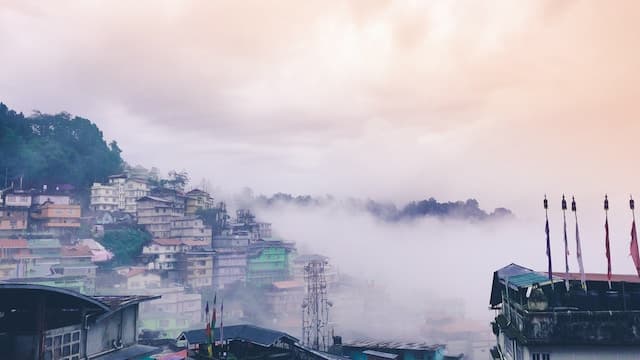
If you are planning a trip to Sikkim and want more than lakes, monasteries and mountain views, yak herding traditions will give you a much deeper way to understand the state. This guide is for travellers who want to see how high-altitude life really works in North-East India, and to learn where you can witness yak-rearing culture respectfully, what to expect on the ground, and how to plan a sensible itinerary around it.
Why yak herding matters in Sikkim
In Sikkim, yaks are not just animals you spot in a postcard scene. For many highland communities, especially in North and East Sikkim, they are part of daily livelihood, transport, dairy production and seasonal movement. Yak herding traditions have shaped the way families live in places like Lachen, Lachung, Dzongu, and the higher stretches around Tsomgo Lake and the North Sikkim plateau.
These traditions are closely tied to altitude, weather and pasture cycles. In summer, herders move animals to higher grazing grounds where the grass is fresh and the air is cooler. In winter, they shift to lower areas when snow makes the higher pastures difficult to access. This movement is not just practical; it is part of an inherited rhythm that has been followed for generations.
Where you can experience yak culture in Sikkim
You are most likely to come across yak-related activity in the higher mountain belts of North and East Sikkim. The experience is rarely about a single “yak village” and more about seeing the culture in real landscapes where it still survives.
Lachen and the North Sikkim route
Lachen is one of the most useful bases if you want to understand high-altitude livelihoods. The road itself, usually approached from Gangtok over several hours depending on road conditions, takes you through dramatic terrain where yak husbandry is still part of local life. Around the village and on the way to higher points, you may see yaks grazing, carrying loads, or being prepared for seasonal use.
Lachung and nearby high-altitude valleys
Lachung is better known for its mountain scenery and access to Yumthang Valley, but it also connects you with communities that have long depended on yak-rearing. If you travel in the warmer months, ask local hosts about pasture movement and dairy use. In many homestays, the conversation itself becomes the experience.
Tsomgo Lake and the East Sikkim highlands
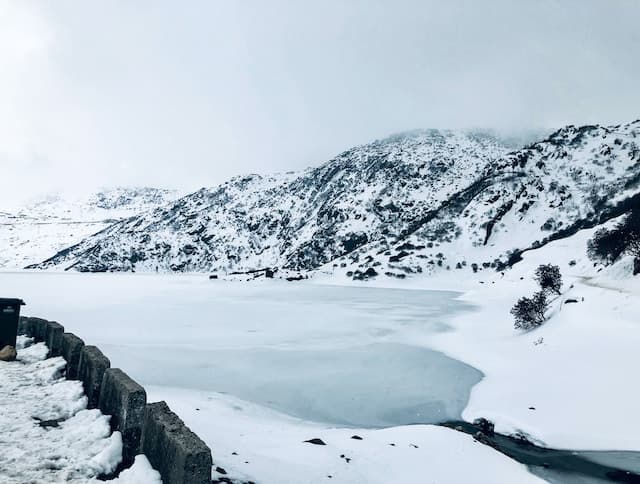
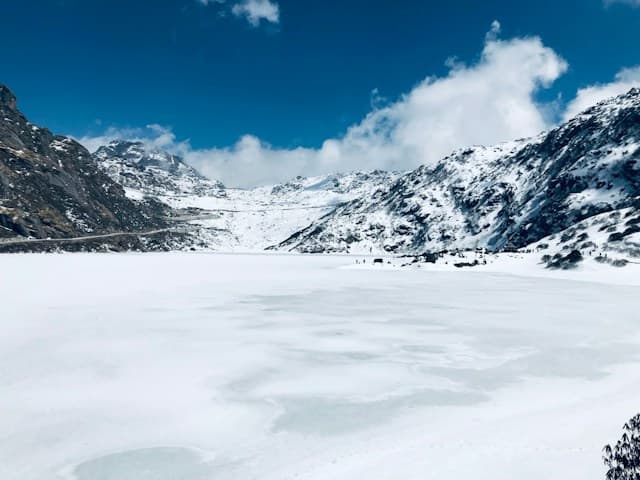
The drive to Tsomgo Lake from Gangtok is a common day trip and one of the easiest places for visitors to see yaks at close range. Tourism has changed the setting considerably, so the encounter is not the same as meeting a herder at work in a remote valley. Still, it can be a useful introduction if you are seeing yaks for the first time and want to learn how they fit into high-altitude life in Sikkim.
Dzongu and the culture of the Lepcha homeland
Dzongu is often associated with Lepcha heritage, forest landscapes and community-based travel. While it is not a high-density yak zone in the same way as North Sikkim’s upper reaches, it is valuable for understanding how indigenous communities in Sikkim connect land, animals and seasonal livelihoods. If you are building a cultural itinerary, Dzongu adds a quieter and more reflective dimension.
How yak herding works in the mountains
Yak herding in Sikkim is shaped by altitude, weather and pasture access. Unlike lowland cattle farming, yak rearing must adapt to steep terrain, freezing temperatures and limited grazing windows. Families and herders move with the seasons, often setting up temporary shelters near grazing grounds and returning when conditions change.
Yak milk is used for butter, cheese and other dairy products that suit colder climates and long storage. The animals themselves are valued for wool, transport and resilience in extreme weather. In remote areas, yaks can still be seen carrying supplies where roads do not reach reliably.
For travellers, it helps to remember that yak herding is work, not performance. You may see herders milking early in the morning, guiding animals across slopes, or tending to calves. If you are invited to watch, stay back unless asked to come closer, and avoid sudden movements or loud noises.
Best time to explore yak-herding regions in Sikkim
The best months for a comfortable trip are generally from March to June and again from September to November. During these periods, roads are usually more manageable and the weather is better for travel. Summer also gives you a better chance of seeing animals on higher grazing grounds.
| Season | What to expect | Travel note |
|---|---|---|
| March to June | Milder weather, active grazing, clearer mountain views | Best for village stays and outdoor exploration |
| July to August | Monsoon rain, road disruption, landslide risk | Travel only with flexible plans |
| September to November | Clear skies, post-monsoon freshness, good visibility | Excellent for photography and road travel |
| December to February | Cold conditions, possible snow and road closures in high areas | Best only if you are prepared for delays and freezing temperatures |
Always check local road status, especially for North Sikkim and East Sikkim routes. Conditions can change quickly due to rain, snow or landslides, and travel permits or movement restrictions may also apply in certain border-facing zones.
What to do when you visit a yak-herding area
The best experience comes from slowing down and paying attention. A rushed day trip often gives you only a roadside photograph. If you stay in a local homestay or small lodge, you are more likely to learn about pasture movement, yak milk products, winter feeding practices and the role of family labour.
Look for community-led experiences
Some local hosts can arrange informal introductions to herders, dairy workers or family members involved in yak care. These are usually the most meaningful encounters because they happen through trust, not tourism theatre. Ask politely rather than insisting on a schedule, and accept that some activities are private or seasonal.
Try local dairy products
Yak milk is used in regional preparations, though availability depends on the season and the household. In some places you may be offered butter tea or butter-based food prepared in the local style. If you are curious, ask how it is made and how families use it through the year.
Observe the animals respectfully
Do not feed yaks without permission. They are strong, can be unpredictable, and are handled according to local knowledge. Keep a safe distance, especially if there are calves nearby, and avoid surrounding them for photos.
Practical travel tips for Indian visitors
Plan your Sikkim trip as a mountain journey, not a city getaway. Distances are short on a map but travel times can be long because of winding roads and weather interruptions. Gangtok to Lachen or Lachung can take most of a day depending on the route and stops, while Gangtok to Tsomgo Lake is commonly treated as a half-day excursion.
- Carry warm clothing even in spring and early summer. High-altitude mornings and evenings can be cold.
- Keep cash handy. Smaller villages may have limited digital payment reliability.
- Book transport in advance if you are travelling in peak season, especially April-May and October-November.
- Acclimatise properly if you are heading to higher areas. Do not plan too many altitude gains in one day.
- Respect local rules for photography, temple or monastery visits, and border-area movement.
- Ask before entering farm or grazing spaces. What looks open may still be privately used.
If you are building a package, a 5- to 7-day Sikkim itinerary usually works well for combining Gangtok, one North Sikkim base like Lachen or Lachung, and one cultural stop such as Rumtek or Dzongu. For a more focused yak-culture trip, add an extra night in North Sikkim so you are not always moving between towns.
What to pack for a yak-culture trip
Packing correctly makes a bigger difference in Sikkim than many travellers expect. The climate can shift from sunny to cold within hours, and mountain roads can mean long vehicle rides.
- Layered clothing, including a warm jacket
- Good walking shoes with grip
- Sunscreen and sunglasses for high-altitude glare
- Basic medicines and any personal prescriptions
- A reusable water bottle
- Power bank and spare memory card if you are photographing extensively
- Small denomination cash for local purchases
If you are travelling with older family members or children, keep the itinerary light. One village stay, one high-altitude excursion and one relaxed sightseeing day will often feel better than a packed circuit.
Responsible travel around yak herding communities
Yak herding traditions survive because communities continue to practise them, not because they are staged for outsiders. Your choices as a visitor matter. Stay in locally run homestays where possible, buy local dairy products from trusted sources, and avoid bargaining aggressively in small villages where prices are already modest.
It is also wise to avoid treating yaks as props. Repeated flash photography, crowding and noisy behaviour can make animals and herders uncomfortable. If you want a portrait, ask first. If the answer is no, respect it and move on.
Responsible travel also means listening to local stories without trying to romanticise hardship. The work of high-altitude herding is demanding, seasonal and tied to real economic needs. A thoughtful conversation will teach you more than a dozen rushed photos.
Suggested short itinerary for travellers from India
Here is a simple framework if you want to include yak-herding culture in a Sikkim holiday.
- Day 1: Arrive in Gangtok and rest.
- Day 2: Visit a cultural site in or near Gangtok and learn about Sikkimese mountain life.
- Day 3: Travel to Lachen or Lachung, depending on road and permit conditions.
- Day 4: Explore the surrounding valley, interact with local hosts, and learn about yak rearing.
- Day 5: Return toward Gangtok or continue to another cultural zone like Dzongu.
- Day 6-7: Add leisure time, monastery visits or a high-altitude excursion such as Tsomgo Lake if conditions allow.
This kind of itinerary keeps the focus on culture rather than just sightseeing. It also gives you time to absorb mountain life instead of rushing from one stop to another.
Frequently Asked Questions
Can I see yaks throughout the year in Sikkim?
You can see yaks in Sikkim in different seasons, but their location changes with pasture and weather. In warmer months, they are more likely to be on higher grazing grounds, while in winter they may be moved to lower areas. Always check locally rather than assuming they will be in one fixed spot.
Is Tsomgo Lake the best place to learn about yak herding?
Tsomgo Lake is one of the easiest places to see yaks, especially if you are short on time. However, it is more of a tourist introduction than an in-depth cultural experience. For a fuller understanding, you should include a village stay in Lachen, Lachung or a nearby community.
Do I need a special permit to visit yak-herding areas in Sikkim?
Some parts of Sikkim, especially near border areas in North Sikkim and East Sikkim, may require permits or have specific entry rules. These rules can change, and conditions depend on current regulations and road access. Confirm the latest requirements with your operator or local authorities before travel.
What is the best way to interact with local herders?
Start with a polite greeting and ask whether they are comfortable speaking or showing you their work. Keep your questions simple and respectful, and do not interrupt active herding tasks. A local guide or homestay host can help with introductions if needed.
Are yak products available for tourists to buy?
In some areas, you may find local dairy products prepared in small quantities, but availability varies by season and household. Buy only from trusted local sources and ask how the product should be stored or consumed. If you are unsure, let your host guide you.
Is this trip suitable for senior travellers?
Yes, if the itinerary is designed carefully with enough rest, moderate driving distances and low-altitude overnight stays where needed. Avoid overloading the schedule with too many mountain transfers in one trip. It is best to travel with a flexible plan and medical preparedness for altitude sensitivity.
Sikkim’s yak herding traditions offer a rare chance to see mountain life in a real, working form rather than as a show. If you travel with patience and respect, you will come home with a richer understanding of the North-East and of how communities adapt to some of India’s most demanding landscapes.
If this guide helped you plan better, please share the post with fellow travellers who want to explore Sikkim more thoughtfully.
Planning a North-East trip?
Tell us your dates and who is travelling. Up to three local travel companies send you their itinerary and price.
Get free quotesDisclaimer: The information in this blog is for general information only. We try to keep it accurate and up to date, but TravelSetu accepts no liability for errors or omissions. If you believe any part of it infringes your rights, please write to info@travelsetu.com.