If you are planning a trip to Sikkim and want more than monasteries, lakes and mountain views, this guide is for you. Sikkim’s youth culture is visible in its cafés, live-music evenings, college hangouts and the way local identities blend Lepcha, Bhutia, Nepali and modern influences. By the end, you will know where to experience the state’s contemporary energy, what kind of music to expect, and how to plan an easy, respectful trip around it.
What Sikkim’s youth culture feels like today
Sikkim’s young generation is connected, multilingual and deeply aware of its roots. In Gangtok, Namchi, Pakyong and smaller towns, you will notice that youth culture does not look like a single scene; it is a mix of local fashion, café conversations, college festivals, homestay music nights and independent artists trying out new sounds. Many young people move comfortably between traditional festivals and modern nightlife, between local dialects and English, and between mountain life and social media trends.
What makes Sikkim interesting is the balance. You may hear an acoustic cover in a café in Gangtok, then attend a community programme where local dance and folk percussion take the stage. This is not a loud party destination in the usual sense; it is a place where music, identity and social life come together in smaller, more personal settings.
Gangtok: the centre of music, cafés and student life
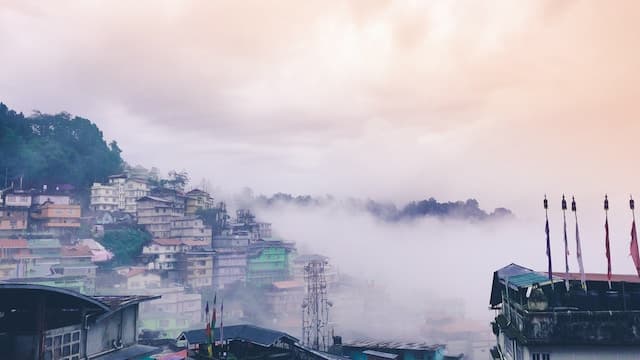
For most travellers, Gangtok is the best place to observe youth culture in Sikkim. The city has colleges, coaching centres, boutique hotels, cafés, and performance spaces that keep evenings active. MG Marg is the obvious starting point, but the real youth scene often spreads into side lanes, neighbourhood cafés and small venues around Deorali, Development Area and Tadong.
You will find young locals meeting for coffee, live acoustic sets, poetry readings, and casual jam sessions. The atmosphere is relaxed rather than flashy. If you are staying in Gangtok for 2-3 nights, keep one evening free for an unplanned walk and ask your hotel or homestay owner about any local gig or college fest happening during your stay.
What to look for in Gangtok evenings
- Live acoustic music in cafés and restaurants
- Open-mic nights and poetry events
- College festivals, especially around autumn and spring
- Local bands playing English, Hindi and Nepali songs
- Small art and craft displays by young creators
The music you are likely to hear in Sikkim
Sikkim’s music scene is diverse, and youth audiences are comfortable listening to several styles in the same evening. Nepali songs remain central in everyday listening, but young people also follow Hindi pop, indie music, rock, EDM, and regional folk-inflected tracks. In many places, especially in Gangtok, you may hear acoustic guitar versions of popular Bollywood numbers alongside original songs by local singers.
Folk music remains important too. Songs linked to Lepcha, Bhutia and Nepali traditions still appear at family gatherings, community events and cultural festivals. Young musicians often try to update these sounds with modern arrangements, which is why you may hear traditional melodies paired with guitar, keyboard or drum kit in festival programmes.
Common music styles among young listeners
- Nepali pop and devotional songs
- Hindi film music and acoustic covers
- English indie, folk and soft rock
- Traditional Lepcha, Bhutia and Nepali folk forms
- Fusion performances that mix local rhythms with modern instruments
Where to experience live performances
If you want to hear music rather than just read about it, plan your trip around places where performances are common. Gangtok is still the easiest city for this, but music also appears during local festivals in South and West Sikkim. Keep your expectations practical: this is not a place with large stadium concerts every week. The scene is smaller, more intimate and often announced at short notice.
| Place | What you can expect | Best time to go |
|---|---|---|
| Gangtok cafés and restaurants | Acoustic nights, open mics, local bands | Year-round, especially weekends |
| MG Marg area | Casual evening crowds, seasonal performances, festivals | Evenings, festive periods |
| College campuses and auditoriums | Youth festivals, dance and music competitions | Spring and autumn |
| Namchi and district-level events | Community music programmes and cultural showcases | During local festivals and public holidays |
If you are serious about catching an event, ask locally 2-3 days in advance. Schedules can change quickly, and many performances are advertised through word of mouth or social media rather than fixed public listings.
College festivals and youth gatherings
Sikkim’s colleges and schools play a major role in shaping youth culture. Annual fests often include music competitions, dance showcases, fashion events, beatboxing, rap performances and band battles. These programmes are a good way to see what younger audiences enjoy and how local talent is developing. In Gangtok and nearby areas, these events can feel energetic but still community-oriented.
If your trip overlaps with a college festival, try to attend one evening programme. You may see students performing original songs in English, Hindi or Nepali, or taking on current trends with a local twist. The setting is usually simple, but the enthusiasm is genuine. For travellers who want to understand modern Sikkim beyond sightseeing, this is one of the most useful experiences.
How local identity shapes fashion, language and social life
Youth culture in Sikkim is not only about music. It also shows up in how young people dress, speak and gather. In urban areas, you will notice a mix of casual Western clothing, traditional accessories and practical mountain wear. On any given day, a café crowd may include sneakers, shawls, hoodies, denim and local jewellery in one place.
Language is just as flexible. You may hear Nepali, English, Hindi and local languages in the same conversation. This makes it easier for visitors to interact, especially in Gangtok and tourist-facing towns. At the same time, young Sikkimese people are often careful about preserving their cultural identity, so showing interest in local customs is appreciated.
Simple ways to connect respectfully
- Ask before taking photos at performances or community events.
- Use a friendly, curious tone when asking about local music or language.
- Support small cafés, artists and homestays instead of only looking for big brands.
- Dress neatly for events, especially cultural shows and family-run venues.
- Confirm timings in advance, since mountain-weather delays are common.
Best time to explore Sikkim’s music and youth scene
The best months are usually March to May and October to early December, when weather is clearer and travel within Sikkim is easier. These are also good months for festivals, campus events and outdoor evening walks in Gangtok. Summer brings more visitors and more indoor café activity, while winter evenings can be quieter but still rewarding if you enjoy cosy music spaces.
Monsoon months, roughly June to September, can be tricky because heavy rain and landslides may affect movement. If you travel then, keep extra buffer time and avoid planning your music evenings too tightly. As always in the hills, confirm road conditions, local event timings and hotel availability before booking.
Suggested 3-day plan for music lovers
If your main goal is to experience Sikkim’s youth culture and music, a 3-day stay in and around Gangtok is a sensible start. You do not need to rush from one attraction to another. Instead, leave room for evenings, conversations and local recommendations.
- Day 1: Arrive in Gangtok, settle in, explore MG Marg in the evening and check for any café performance nearby.
- Day 2: Visit local viewpoints or monasteries in the daytime, then return for an open-mic, live band set or student event at night.
- Day 3: Spend time in a neighbourhood café, shop for local crafts, and ask your host about young musicians or festival programmes in nearby towns.
If you have 4-5 days, add Namchi or a South Sikkim stop where community events and local celebrations can give you a wider picture of the state’s cultural life. Travel between towns is usually measured in hours rather than kilometres, so keep drives realistic and avoid overpacking your schedule.
Practical travel tips for young travellers
Budget-wise, a comfortable trip to Gangtok for music and culture can be managed without spending too much. Mid-range hotels often cost around Rs.2,000-Rs.4,500 per night, while café meals may range from Rs.250-Rs.700 per person depending on what you order. Local taxis, entry fees and event tickets are generally moderate, though prices vary by season and location.
If you are travelling with friends, you will find it easy to split costs on taxis and shared stays. For many travellers, the best way to enjoy Sikkim is to stay in one base city, especially Gangtok, and make short excursions from there. This gives you more time for evenings and reduces the pressure of frequent hotel changes.
- Carry warm layers, even in spring and early autumn.
- Keep some cash, as small venues may not always prefer digital payments.
- Book transport early during festivals and long weekends.
- Check local road updates before late-night returns from events.
- Respect venue rules on noise, photography and seating.
Frequently Asked Questions
Is Sikkim good for music lovers?
Yes, especially if you enjoy intimate live performances, acoustic sets and local fusion music rather than large-scale nightlife. Gangtok is the best base for this kind of experience. You will also find music in college events and community festivals across the state.
Which city in Sikkim is best for youth culture?
Gangtok is the strongest choice because it has the highest concentration of cafés, colleges, event spaces and young audiences. The city feels active in the evenings, especially around MG Marg and nearby neighbourhoods. Smaller towns can still offer good cultural experiences, but they are less regular.
What kind of music do young people in Sikkim listen to?
Young listeners often enjoy a mix of Nepali songs, Hindi film music, English indie tracks and local folk-inspired fusion. Many also follow acoustic performances and regional bands. The taste is broad, and different genres often coexist in the same social circle.
When is the best time to catch performances in Sikkim?
March to May and October to early December are good periods because travel is easier and cultural events are more likely to run smoothly. College festivals and community programmes are common around spring and autumn. Still, confirm event dates locally, since many schedules are updated at short notice.
Can I attend local music events as a tourist?
Usually yes, as long as the event is open to the public. Smaller performances in cafés, restaurants and festival grounds are often welcoming to visitors. Be polite, avoid interrupting performances, and ask permission before taking photos or videos.
Is Sikkim expensive for a short cultural trip?
Not necessarily. A 3-day Gangtok trip can be quite manageable if you choose mid-range hotels, use shared transport when possible and eat at local cafés. The biggest variable is travel season, so prices may rise during holidays and festival periods.
Sikkim’s youth culture is quiet in some places, lively in others, and always shaped by the mountains around it. If you go looking for music, you will also find identity, creativity and a very local sense of modern life. Take your time, stay curious, and let the state show you how tradition and youth coexist in everyday rhythm.
If this guide helped you plan your trip, share the post with someone who wants to explore a different side of Sikkim.
Planning a North-East trip?
Tell us your dates and who is travelling. Up to three local travel companies send you their itinerary and price.
Get free quotesDisclaimer: The information in this blog is for general information only. We try to keep it accurate and up to date, but TravelSetu accepts no liability for errors or omissions. If you believe any part of it infringes your rights, please write to info@travelsetu.com.