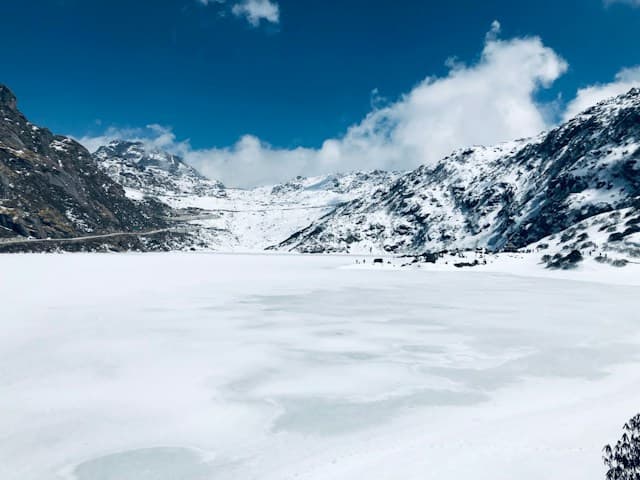
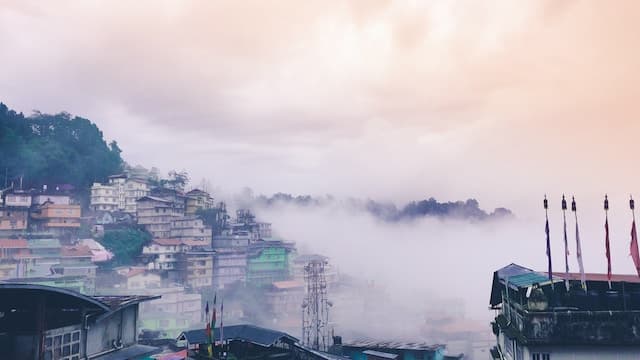
Gangtok, the capital city of Sikkim, tucked away in the lap of the Himalayas, is a paradise for nature lovers and adventure enthusiasts alike. While Gangtok has numerous attractions to offer, one experience that stands out for its historical significance and breathtaking beauty is traversing the Silk Route. The Silk Route, also known as the Old Silk Route, is an ancient trade route that connected India with Tibet and China. In this blog post, we will take you on a virtual journey through Gangtok's Silk Route, giving you a glimpse of the history, culture, and natural wonders that this route has to offer.
The Historical Significance of the Silk Route
The Silk Route has a rich history that dates back to thousands of years. It was a vital trade route that facilitated the exchange of goods, ideas, and cultures between India and China. The route got its name from the famous silk trade that flourished along its path. Apart from silk, other valuable goods like spices, tea, precious stones, and medicinal herbs were also traded on this route. The Silk Route played a significant role in shaping the economy and cultural landscape of the region.
Exploring the Silk Route
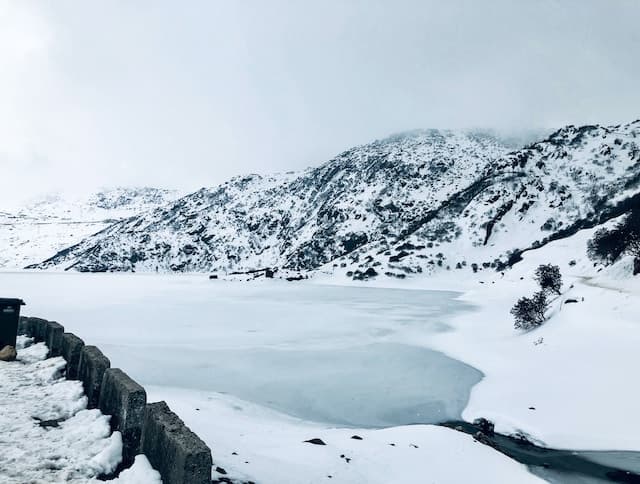
The Silk Route starts from Gangtok and passes through the picturesque towns of Zuluk, Nathang Valley, and Lungthung before crossing over to China via the famous Nathu La Pass. The journey along the Silk Route is an adventure in itself, offering mesmerizing views of snow-capped mountains, pristine lakes, and lush green valleys. The route is peppered with quaint villages that still retain their old-world charm, giving you a glimpse into the traditional way of life in the Himalayas.
One of the highlights of the Silk Route is the Zuluk Loop, a series of hairpin bends that offers breathtaking views of the mountains. As you ascend the loop, you can witness the changing landscapes and vegetation, from dense forests to alpine meadows. The loop also provides a vantage point to catch a glimpse of the majestic Mt. Kanchenjunga, the third-highest peak in the world.
Another must-visit destination along the Silk Route is Nathang Valley, also known as the "Ladakh of the East." This high-altitude valley is a paradise for nature enthusiasts, with its vast stretches of rhododendron forests, sparkling lakes, and snow-capped peaks. The valley is also home to the famous Eagle's Nest Bunker, a military outpost that offers panoramic views of the surrounding landscape.
Experiencing the Local Culture
While exploring the Silk Route, you will get an opportunity to immerse yourself in the local culture and interact with the warm and friendly people of Sikkim. The region is inhabited by several indigenous communities, each with their unique customs, traditions, and festivals. Take some time to visit the local monasteries and gompas, which are not only architectural marvels but also important centers of spiritual learning.
The cuisine of Sikkim is a delightful blend of Tibetan, Nepalese, and Bhutanese flavors. Don't miss the opportunity to savor mouth-watering dishes like momos, thukpa (a noodle soup), and gundruk (fermented leafy greens). You can also sample the local beverages, such as the famous Sikkim tea or the traditional Sikkimese fermented millet beer called tongba.
When to Visit and How to Reach
The best time to visit Gangtok's Silk Route is during the summer months of April to June and the autumn months of September to November. The weather during these months is pleasant, with clear skies and mild temperatures. However, do keep in mind that the route remains closed during the winter months due to heavy snowfall.
Gangtok is well-connected to major cities in India by air, road, and rail. The nearest airport is Bagdogra Airport, which is approximately 125 kilometers away from Gangtok. From the airport, you can hire a taxi or take a shared cab to reach Gangtok. Alternatively, you can also reach Gangtok by train and then hire a taxi for the onward journey to the Silk Route.
Conclusion
Traversing Gangtok's Silk Route is a unique travel experience that combines history, culture, and natural beauty. It offers a glimpse into the region's rich past and allows you to explore the breathtaking landscapes of the Himalayas. Whether you are an avid history buff, a nature lover, or an adventure enthusiast, the Silk Route is sure to captivate your senses. So pack your bags, embark on this incredible journey, and create memories that will last a lifetime.
If you enjoyed reading this blog post, don't forget to share it with your fellow travel enthusiasts. Let's spread the word about the historic and awe-inspiring Silk Route of Gangtok!
Planning a North-East trip?
Tell us your dates and who is travelling. Up to three local travel companies send you their itinerary and price.
Get free quotesDisclaimer: The information in this blog is for general information only. We try to keep it accurate and up to date, but TravelSetu accepts no liability for errors or omissions. If you believe any part of it infringes your rights, please write to info@travelsetu.com.