If you are planning a trip to Sikkim, knowing where locals get their news can be surprisingly useful. From road closures on the Gangtok–Nathula stretch to festival updates, weather alerts, and government notices, Sikkim’s newspapers and media outlets often give you the kind of practical information that helps a journey run smoothly.
This guide is for travellers, students, researchers, and anyone curious about how news travels in Sikkim. You will get a clear overview of the state’s media landscape, the main newspapers and channels, the languages you are likely to encounter, and the best ways to stay informed while moving around the region.
Why Sikkim’s Media Matters for Travellers
Sikkim is a small state, but road conditions, weather, and local events can change quickly. A landslide near Melli, a traffic restriction on the highway to North Sikkim, or a last-minute permit update can affect your plan for the day. Local newspapers, radio stations, and online news pages are often among the first places where such updates appear.
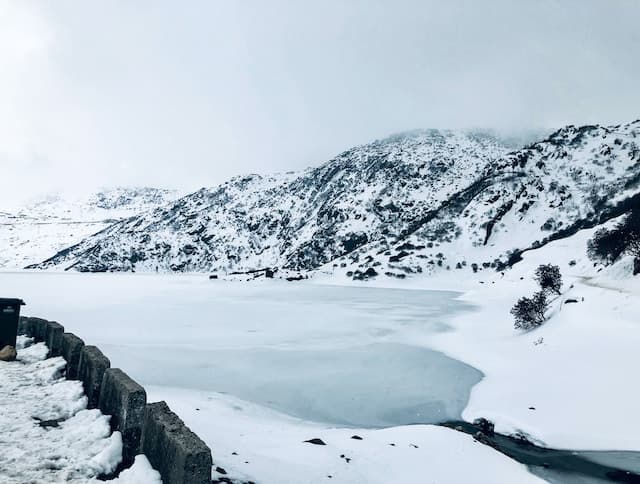
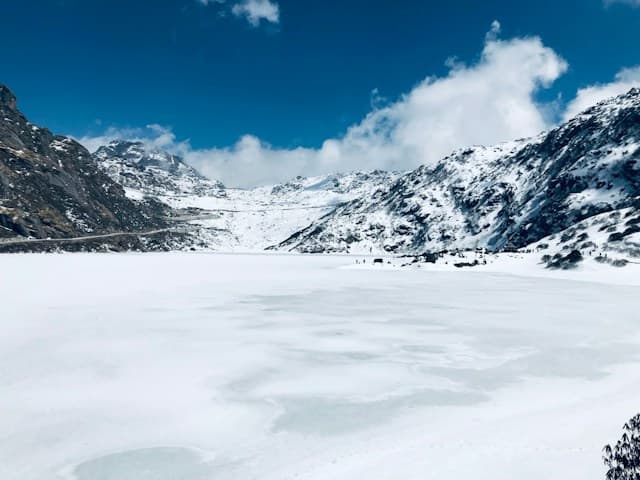
For you as a traveller, this means media is not just background information. It can help you decide when to leave Gangtok for Pelling, whether a day trip to Tsomgo Lake is realistic, or if you should keep an extra buffer day in your itinerary. Local reporting also gives you a better feel for Sikkim’s social life, politics, festivals, and development news beyond the tourist circuit.
The Media Landscape in Sikkim
Sikkim’s media scene is modest in size compared with larger Indian states, but it is active and closely connected to daily life. Most of the state’s news flow comes from a mix of print newspapers, local TV channels, radio, and digital platforms. In towns like Gangtok, Namchi, Mangan, Gyalshing, and Jorethang, you will find a blend of English-language reporting and local-language coverage.
The state’s media is shaped by geography. Because many villages are spread across mountain terrain and travel can take time, local correspondents play an important role. News from West Sikkim, South Sikkim, North Sikkim, and East Sikkim often has to be gathered carefully, especially during monsoon months when roads may be disrupted.
For the average visitor, this usually means that a single newspaper may not capture everything. A combination of a local daily, a regional TV bulletin, and an online update source is often the most reliable way to stay current.
Main Newspapers in Sikkim
Sikkim has a number of locally read newspapers, most of them published in English, Nepali, and other regional languages. Availability can vary by town and season, and some editions may be easier to find in Gangtok than in smaller settlements. Below is a practical overview of the kinds of papers you are likely to come across.
| Newspaper Type | What it Covers | Useful For |
|---|---|---|
| English dailies | State news, government notices, tourism, education, and business updates | Travellers, students, professionals |
| Nepali-language newspapers | Local politics, community stories, cultural events, and regional issues | Residents and visitors who read Nepali |
| Digital local news pages | Fast updates on road conditions, weather, festivals, and incidents | Travellers needing quick information |
English newspapers
English dailies in Sikkim are widely read in urban areas and are often the easiest for visitors to use. They usually carry state government announcements, education news, tourism developments, and reports from Gangtok and other district headquarters. If you are staying in a hotel, guesthouse, or café in Gangtok, you may find a paper available in the morning lounge or reception area.
These papers are especially useful if you want to understand official announcements in a straightforward way. They also cover topics that matter to travellers, such as road work, tourism policy, and weather-related disruptions.
Nepali newspapers
Nepali is one of the most widely used languages in Sikkim, and Nepali-language newspapers remain important across the state. They often provide stronger local depth, especially on community issues, cultural events, and local governance. If you speak or understand Nepali, these papers can offer a more direct view of how people in Sikkim discuss daily life.
Even if you do not read Nepali, you may still notice headlines or photographs that reflect the state’s cultural and political mood. In towns and bazaar areas, these newspapers are a familiar sight at stalls and tea shops.
Digital and online outlets
Like the rest of India, Sikkim has seen a strong shift to digital news. Local websites, social media pages, and online editions now spread updates faster than print in many cases. This is especially helpful during monsoon season, when roadblocks or weather alerts need quick distribution.
For you, this means checking a local digital source before heading out on a long drive can be more useful than waiting for the next morning’s paper. Still, for deeper context, print media often gives more balanced coverage than a short social media post.
Radio and Television in Sikkim
Radio remains valuable in mountain states because it reaches places where mobile data may be inconsistent. In Sikkim, local and regional radio broadcasts continue to serve commuters, villagers, and people travelling long distances by road. Radio is also handy if you are driving through stretches where internet coverage dips.
Television news channels, meanwhile, are widely watched in Gangtok and other towns. Cable news and regional bulletins often carry local stories that do not always make it into national headlines. During elections, weather events, or major festivals like Losar and Dasain, TV coverage can become especially relevant.
If your hotel room has cable TV, it is worth checking the local news bulletin in the evening. You may pick up useful details about road conditions for the next day or civic updates from district offices.
Languages Used in Sikkim Media
Sikkim’s media reflects the state’s multicultural identity. English is common in formal news and urban readership, while Nepali plays a major role in day-to-day communication and local journalism. You may also come across Hindi in some broadcast and digital content, especially where national and regional audiences overlap.
This mix is one reason Sikkim’s media is practical for travellers from different parts of India. If you read English, you will not struggle to find usable news. If you know Nepali, you will get an even richer sense of local reporting. For many visitors, a quick glance at headlines or a translation app is enough to identify what matters most: weather, roads, and public notices.
How Travellers Can Use Local Media Smartly
When you are travelling in Sikkim, local media is most useful when you use it with a practical purpose. Instead of browsing casually, focus on news that affects movement, safety, and permits.
- Check weather reports before mountain drives. This matters especially for North Sikkim, Nathula, and high-altitude lake trips.
- Look for road and transport updates. Landslides or maintenance can delay jeeps and shared taxis.
- Watch for government notices. Permit requirements, protected-area access, and timing changes can appear in local reporting.
- Follow festival calendars. During major local events, hotels and roads can be busier than expected.
- Use print and digital together. A newspaper gives context, while online updates are faster for immediate changes.
If you are planning a multi-day circuit such as Gangtok, Lachen, Lachung, Yumthang, Pelling, and Namchi, local news can help you adjust your route in time. A small change in road conditions can save you hours of waiting, especially in the rainy season.
Where to Find Newspapers in Sikkim
In Gangtok, newspapers are usually available at market stalls, tea shops, hotels, and local stores early in the morning. In district towns like Namchi, Mangan, and Gyalshing, availability may be more limited, but small vendors and roadside kiosks often stock the major local titles. Some guesthouses and cafés also keep a few copies for visitors.
If you prefer digital access, most local news outlets now post updates on their websites or social pages. This is particularly useful if you are staying in remote areas where paper distribution may not reach regularly. Still, if you enjoy reading slowly over breakfast, buying a local newspaper remains a nice way to start the day.
What Sikkim Media Tells You Beyond News
Local newspapers do more than report events. They reflect the priorities and concerns of people in Sikkim. You will often see coverage of education, youth employment, infrastructure, tourism, agriculture, festivals, and environmental protection. These topics matter deeply in a state where mountain ecosystems and road access shape everyday life.
For travellers, this kind of reporting adds context to your journey. It explains why some routes are sensitive to weather, why tourism regulations change, and why local communities pay close attention to development projects. If you are interested in Sikkim beyond its scenic views, the media gives you a window into how the state thinks and works.
Practical Tips for Reading Sikkim Newspapers
- Focus on the front page and local pages for weather, roads, and district news.
- Check the date carefully, especially if you find a paper in a hotel lounge.
- Do not rely on one headline alone; cross-check with a second source if the news affects your travel.
- If you are travelling during monsoon, read updates the night before and again in the morning.
- Ask hotel staff or taxi drivers which local source they trust for route updates.
These small habits can make your trip easier, especially in a state where travel times are influenced by altitude, weather, and traffic on narrow roads. A 100-kilometre journey in Sikkim may take much longer than you expect, so timing matters.
Frequently Asked Questions
Which newspapers are most useful for travellers in Sikkim?
English local dailies are usually the easiest for visitors to read, while Nepali newspapers offer more local depth if you understand the language. Digital local news pages are also handy for quick updates on roads and weather. If you are short on time, focus on headlines related to transport, permits, and district announcements.
Can I rely on Sikkim newspapers for road and weather updates?
They are useful, but you should treat them as one part of your information check. For travel decisions, it is best to combine newspaper reporting with hotel advice, taxi driver feedback, and real-time digital updates. Conditions in the hills can change after a paper is printed.
Is English widely used in Sikkim media?
Yes, English is widely used, especially in newspapers and formal reporting. You will also find Nepali content across print and digital media. As a traveller, you should have little trouble finding at least one source that you can read comfortably.
Where can I buy newspapers in Gangtok?
You can usually find newspapers at early-morning stalls, tea shops, hotels, and small stores in market areas. Availability is better in Gangtok than in remote villages. If you cannot find a print copy, ask your hotel if they have a current edition or a digital source they recommend.
Do local media outlets cover tourism news?
Yes, tourism is a regular topic because it affects the state’s economy and transport patterns. You may see coverage of festival travel, new homestays, road access, and visitor guidelines. This can be useful when you are planning a trip around peak seasons like spring and autumn.
What is the best time to check news before travelling in Sikkim?
The night before and early morning are both important, especially if you have a long hill drive. If you are heading towards North Sikkim, high passes, or lake routes, check again right before departure. In monsoon months, this habit becomes even more valuable.
Conclusion
Sikkim’s newspapers and media outlets may not be large in scale, but they are practical, grounded, and closely connected to daily life in the state. For you as a traveller, they are one of the easiest ways to stay informed about road access, weather, local events, and official notices while exploring the region.
If you use local media wisely, your trip through Gangtok, Pelling, Namchi, Lachung, or Lachen becomes smoother and more informed. Keep an eye on the headlines, cross-check important updates, and let Sikkim’s local news help you travel with fewer surprises.
If you found this guide useful, please share it with other travellers planning a trip to Sikkim.
Planning a North-East trip?
Tell us your dates and who is travelling. Up to three local travel companies send you their itinerary and price.
Get free quotesDisclaimer: The information in this blog is for general information only. We try to keep it accurate and up to date, but TravelSetu accepts no liability for errors or omissions. If you believe any part of it infringes your rights, please write to info@travelsetu.com.