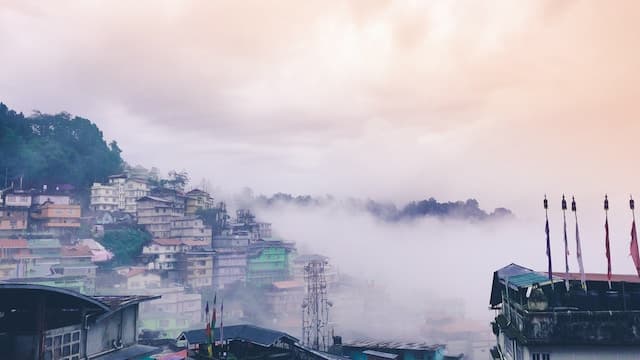
If you are planning a photo trip to Sikkim, this guide is for you. It is written for travellers who want more than pretty frames: you want to understand where Sikkim’s photography community meets, what to shoot in each season, and how to plan a trip that respects the local culture. By the end, you will have a practical sense of the best places, timings, costs, and etiquette for photographing Sikkim well.
Why Sikkim draws photographers again and again
Sikkim is small on the map, but it offers an unusually rich range of subjects in a short distance. In one trip you can shoot old monasteries, Himalayan ridgelines, prayer flags in mountain wind, village life, river valleys, and high-altitude lakes. For the photography community, that variety matters because it lets you build a strong portfolio without spending weeks on the road.
The state is also compact enough to support meetups, workshop-style trips, and repeat visits. Many photographers base themselves in Gangtok, Pelling, Lachung, or Namchi and then move out for sunrise, monastery visits, and roadside landscape sessions. If you like working with local guides, drivers, and homestay hosts who know the terrain, Sikkim is especially rewarding.
Where the Sikkim photography community connects
The photography scene in Sikkim is not one single club; it is a mix of local photographers, travel creators, students, hobbyists, and landscape specialists who often connect through word of mouth, social media, workshops, and local events. Gangtok is the easiest base because it has the most camera stores, cafes, editing-friendly stays, and transport options. You will also find active photographers in Namchi and around South Sikkim, especially those working on monasteries, cultural festivals, and village portraits.
Gangtok as the practical hub
Gangtok works well if you want to shoot early and return the same day. From here, places like Tashi View Point, Ganesh Tok, Enchey Monastery, and Rumtek Monastery are all within manageable driving distance. The town also makes it easier to meet other photographers over tea, compare locations, and plan sunrise drives to viewpoints in the surrounding hills.
Community spaces and informal meetups
Many photography conversations happen in cafes, homestays, and on long vehicle rides rather than in formal clubs. If you are staying in a local homestay, ask your host about nearby village festivals, mask dance performances, or harvest ceremonies, because these often become the best portrait opportunities. Local guides can also connect you with villagers who are comfortable being photographed, which is especially useful for respectful documentary work.
Best photography locations in Sikkim by subject
Sikkim works best when you plan your shooting around specific subjects. Landscapes, culture, and street scenes all need different timing and pacing, so do not try to rush them into one packed day.
| Subject | Best places | Best time | What to expect |
|---|---|---|---|
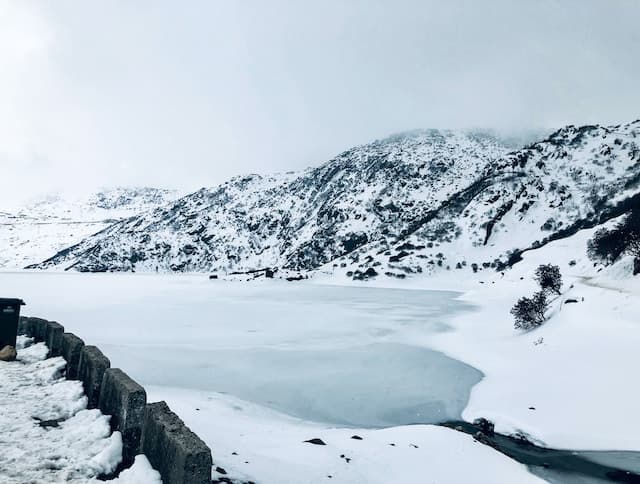
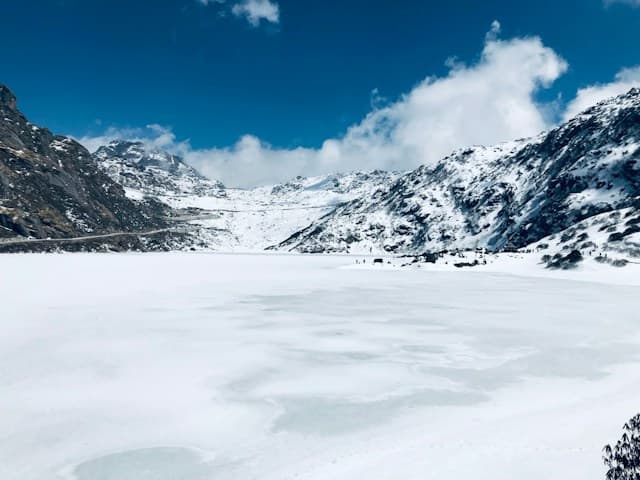
| Mountain landscapes | Gangtok viewpoints, Pelling, Yumthang valley side, Tsomgo Lake route | October to May | Clear ridgelines, snow in higher zones, strong sunrise light |
| Monasteries and culture | Rumtek, Enchey, Pemayangtse, Tashiding | Year-round | Prayer halls, monks, chants, masked dance during festivals |
| Flowers and spring color | North Sikkim valleys, Yumthang, village roads | March to May | Rhododendrons, fresh greenery, misty mornings |
| Street and daily life | Gangtok markets, Namchi, village lanes | Morning and late afternoon | Tea stalls, shops, local commuting, candid portraits |
Gangtok and East Sikkim
For a first-time trip, start with Gangtok. Tashi View Point is popular for sunrise work when the weather is clear, while the MG Marg area is better for street photography, especially in the evening when people come out after work. Rumtek Monastery, about 24 km from Gangtok, gives you a calmer cultural frame with prayer wheels, red robes, and long corridors that suit both wide-angle and detail shots.
North Sikkim for big landscapes
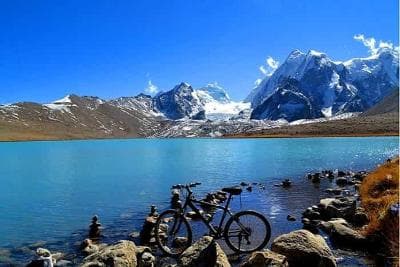
If your focus is mountains and weather-driven drama, North Sikkim is where you will spend the most time watching the sky. Lachung and the Yumthang side are strong choices in the right season, though road and permit conditions can affect access. Distances look short on paper, but mountain roads move slowly, so keep buffer time in your plan and do not schedule too many shoots in one day.
West Sikkim for monasteries and old-world mood
Pelling is a dependable base for photographers who like layered scenery. From here, you can work around Pemayangtse Monastery, Rabdentse ruins, and village view corridors that look good in soft morning mist. This region often gives you a quieter experience than the busier tourist belt, which is useful if you prefer slower compositions and fewer distractions.
Best season and light for photography in Sikkim
October to early December is one of the strongest periods for clear mountain views, especially if you are hoping for sharp horizons and snow peaks in the distance. February to May works well for fresh colour, spring flowers, and a warmer travelling experience, though there may be more haze on some days. June to September brings monsoon rain, slippery roads, and dramatic cloud cover; it can still be photogenic, but you need patience and flexible plans.
For light, the best windows are usually early morning and late afternoon. In Sikkim, the mountain weather changes quickly, so a sunrise that starts clear can become misty within an hour. Carrying a simple rain cover for your camera and a microfiber cloth is more useful here than buying extra gear you may not use.
What to carry if you are photographing Sikkim seriously
You do not need a huge kit for Sikkim, but you do need gear that handles changing weather and long road hours. A wide-angle lens is excellent for monasteries, valleys, and layered landscapes. A 24-70mm equivalent works well for most travel photography, while a telephoto lens helps with distant peaks, birds, and compressed mountain scenes.
- Camera body: Any reliable DSLR or mirrorless body with good battery life
- Lenses: Wide-angle, standard zoom, and optional telephoto
- Accessories: Extra batteries, memory cards, rain cover, lens cloth, power bank
- Footwear: Grippy shoes for wet paths and steps
- Clothing: Layers, gloves for high-altitude mornings, compact waterproof shell
If you edit on the move, keep a lightweight laptop or tablet, but remember that hill transport and hotel power backup can be inconsistent in some areas. It is better to back up your files every night than to wait until the end of the trip.
How to work respectfully with local people and places
Sikkim’s strongest photography often comes from human moments: monks walking to prayer, shopkeepers opening for the day, farmers on mountain roads, and families gathered at festivals. Always ask before taking close portraits, especially in monasteries, homes, and markets. A smile and a brief explanation go a long way, and if someone says no, move on without pressure.
Inside monasteries, keep your shutter use discreet and follow local instructions. Some spaces allow photography freely, while others restrict flash or certain angles. If you are photographing festivals such as masked dances or religious ceremonies, arrive early, avoid blocking devotees, and stay aware of any no-go zones marked by the organisers or monks.
Sample 5-day photography plan for Sikkim
If you want a practical route that balances movement and shooting time, this kind of plan works well for many visitors.
- Day 1: Arrive in Gangtok, shoot MG Marg in the evening, scout viewpoints for sunrise
- Day 2: Gangtok sunrise, then Rumtek Monastery and nearby village lanes
- Day 3: Travel to Pelling, shoot roadside views and sunset around the town
- Day 4: Pemayangtse Monastery, Rabdentse ruins, and low-light landscape work
- Day 5: Return via Namchi or another South Sikkim stop if time allows
If you have a longer trip, add North Sikkim and keep at least one buffer day for weather delays. Road travel in the hills is slower than maps suggest, so avoid planning back-to-back long transfers with an important sunrise session the next morning.
Approximate travel costs for a Sikkim photography trip
Your budget will depend on season, route, and how private you want the trip to be. These figures are indicative and can change quickly, especially in peak holiday periods and for North Sikkim transfers. Always confirm current rates before booking.
- Budget homestay: Rs.1,200-Rs.2,500 per night
- Mid-range hotel: Rs.2,500-Rs.4,500 per night
- Private car with driver: Rs.4,000-Rs.8,000 per day depending on route and fuel
- Local meals: Rs.300-Rs.800 per person per day
- Permits and entry-related costs: Vary by area; some routes may need special arrangements
For a comfortable 5-day photography-focused trip, many travellers spend roughly Rs.20,000-Rs.45,000 per person excluding flights, especially if they choose private transport and better stays. Shared transport can reduce the cost, but it also reduces flexibility for sunrise and weather-dependent shooting.
Frequently Asked Questions
Is Sikkim good for beginner photographers?
Yes, Sikkim is very good for beginners because it offers strong subjects without requiring extreme technical setup. You can practise landscapes, portraits, street scenes, and monastery interiors in one trip. The challenge is less about camera difficulty and more about weather, road timing, and patience.
Which month is best for a photography trip to Sikkim?
October to December is often the safest bet for clear mountain views and crisp light. March to May is excellent if you want flowers and greener hills. If you are okay with rain and mist, the monsoon can still produce atmospheric images, but you should expect interruptions.
Do I need permits for photography in Sikkim?
You do not need a separate photography permit for ordinary travel photography in most common tourist areas, but some regions, especially border-adjacent and protected areas, may require travel permits and vehicle arrangements. Rules can change, and access may depend on weather and local conditions. Check with your operator, hotel, or local authorities before you go.
Can I photograph monks and monasteries freely?
Not always. Some monasteries allow photography in certain areas and restrict it in prayer halls or during rituals, while others have stricter rules. The safest approach is to ask first, avoid flash, and never step into restricted zones for the sake of a shot.
How many days do I need for a good Sikkim photo trip?
Five to seven days is a practical starting point if you want Gangtok, one cultural base, and one landscape-heavy region. With fewer days, you will spend more time in transit and less time shooting. If North Sikkim is on your list, adding extra days gives you the buffer you need for road conditions.
What is the best way to connect with the local photography community?
Start by staying in locally run homestays, talking to guides, and asking photographers or cafe owners in Gangtok about current conditions. The community is friendly, but it is also informal, so relationships matter more than formal introductions. Respectful behaviour and genuine interest will open more doors than asking only for the "best spot."
Sikkim rewards photographers who travel slowly, watch the weather, and keep their plans flexible. If you approach it with patience and respect, you will come back with more than a memory card full of images; you will come back with a better eye for light, culture, and mountain life.
If this guide helped you plan your Sikkim photography trip, share the post with someone who would enjoy shooting the Himalayas too.
Planning a North-East trip?
Tell us your dates and who is travelling. Up to three local travel companies send you their itinerary and price.
Get free quotesDisclaimer: The information in this blog is for general information only. We try to keep it accurate and up to date, but TravelSetu accepts no liability for errors or omissions. If you believe any part of it infringes your rights, please write to info@travelsetu.com.