Sikkim Tea Culture
If you are planning a North-East trip and want something gentler than a checklist of monasteries and viewpoints, Sikkim’s tea culture is a rewarding detour. This guide will help you understand where Sikkim tea comes from, when to visit the estates, how to plan a tasting stop at Temi Tea Garden, and what to expect if you want to bring a few packets home.
Sikkim may be better known for its mountain views and Buddhist heritage, but tea has become an important part of its identity too. The experience is not about large commercial circuits; it is about slow drives through green slopes, a fresh cup with mountain air, and a closer look at how tea is grown, plucked, processed, and enjoyed in the state.
Why Sikkim Tea Culture Feels Different
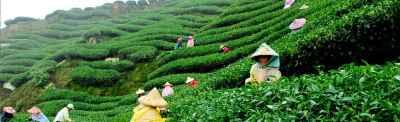
Tea in Sikkim is closely tied to the land. The slopes are steep, the weather is cool for much of the year, and the tea estates are relatively small compared with some of India’s larger tea regions. That gives Sikkim tea culture a quieter, more personal feel. You are less likely to find crowds and more likely to get time to look around, talk to estate staff, and enjoy the landscape at an easy pace.
The most recognised name here is Temi Tea Garden, the state’s only tea estate and one of the key reasons travellers include tea tourism in a Sikkim itinerary. The tea has a distinct Himalayan character, with briskness, lightness and a clean finish that many tea drinkers appreciate. If you enjoy black tea, green tea, or simply want to understand the making of tea beyond the cup, Sikkim offers a very approachable introduction.
Temi Tea Garden: The Heart of Sikkim’s Tea Story
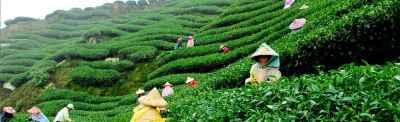
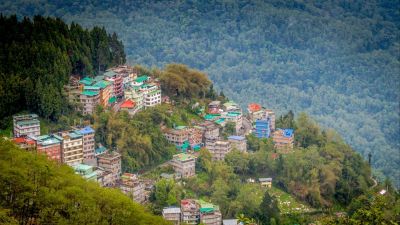
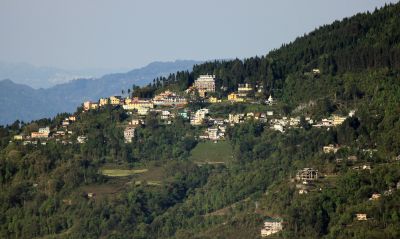
Temi Tea Garden is located in South Sikkim, on slopes that look out toward the snow peaks on clear days. It was established in the 1960s and has since become the state’s signature tea estate. The drive itself is part of the appeal: you pass pine, cardamom, and mountain villages before the landscape opens into orderly rows of tea bushes.
From Gangtok, Temi is typically around 40-45 km away, and the journey can take roughly 1.5 to 2.5 hours depending on road conditions and traffic. From Ravangla, it is much closer, often around 30-40 minutes by road. These timings are indicative and can change with monsoon conditions, so always confirm locally before you set out.
What you can do at Temi
- Walk around the estate roads and view the tea slopes from different angles.
- Learn about plucking seasons and basic processing if the estate staff are available.
- Buy packaged tea from authorised outlets or estate-linked sellers.
- Combine the visit with nearby attractions such as Ravangla and Namchi.
Temi is best experienced slowly. A rushed stop will only give you photos. If you stay in the area, you can enjoy the garden in softer light early in the morning or around sunset, when the slope lines and distant ridges are especially pleasant to see.
Best Time to Explore Tea Estates in Sikkim
The tea experience changes with the season, and choosing the right months makes a noticeable difference. For comfortable travel and clear views, the most pleasant window is usually from March to May and again from October to early December. These periods generally offer stable weather, good visibility, and manageable road conditions.
Tea plucking is often more active in the warmer months and after the rains, though exact cycles depend on rainfall and estate schedules. If you want to see fresh greenery and lively slopes, spring and early summer are excellent. If your main goal is mountain views and a crisp cup with cool air, autumn and early winter work well too.
During June to September, monsoon showers can make the roads slippery and views hazier. Travel is still possible, but you should keep extra time in hand and be prepared for occasional delays. Winter mornings can be cold, especially in South Sikkim, so carry layers even if the daytime is pleasant.
What Sikkim Tea Tastes Like
Sikkim tea is often described as light, aromatic, and refreshing, with the kind of clarity that suits mountain-grown tea. Black tea from Temi is the most commonly discussed, but green tea is also available in the market. The flavour can vary by batch and season, which is part of the charm for tea lovers who enjoy comparing notes.
If you usually drink strong Assam tea, Sikkim tea may feel gentler. If you like Darjeeling-style tea, you may find familiar floral and brisk notes, though Sikkim tea has its own identity rather than copying any neighbouring region. It pairs well with simple snacks, local biscuits, and breakfast meals, especially when brewed fresh and not over-steeped.
How to taste it properly
Use clean hot water, avoid too much milk if you want to notice the aroma, and keep the steeping time moderate. If you are buying loose tea, ask about the recommended brewing method because different grades behave differently. A small tasting session is often enough to tell whether you prefer a brighter cup or a fuller one.
Tea Tourism and Nearby Stops You Should Add
A tea-focused trip in Sikkim works best when you combine the estate visit with nearby cultural and scenic stops. The South Sikkim belt is easy to plan around if you are coming from Gangtok or moving between Pelling, Namchi, and Ravangla.
Ravangla
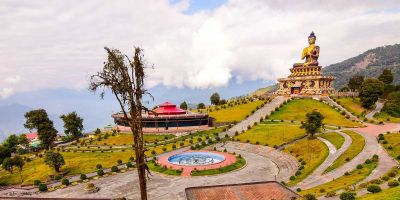
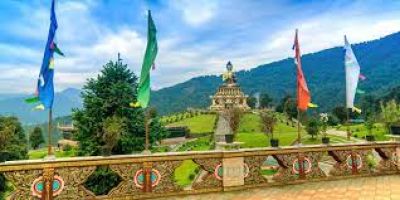
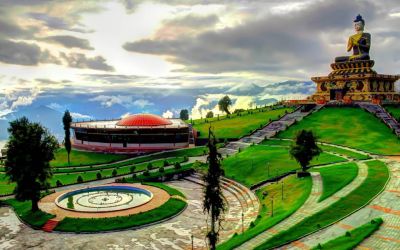
Ravangla is a practical base if you want to keep Temi close at hand. The town is known for its mountain views, calm atmosphere, and access to sites such as the Buddha Park. Many travellers use Ravangla for an overnight halt because it gives enough time for a relaxed estate visit in the morning or late afternoon.
Namchi
Namchi is another useful stop in South Sikkim. You can pair a tea estate visit with the town’s sightseeing and local food options. If you are on a short trip, Namchi and Temi together make for a neat one-day or one-night circuit.
Gangtok
From Gangtok, a tea trip is possible as a day outing, but it is more comfortable as part of a 2-night South Sikkim plan. The road journey is beautiful but winding, so avoid overpacking the day with too many stops if you want to enjoy the tea garden properly.
How to Plan Your Visit: Transport, Stay, and Budget
Tea tourism in Sikkim is not expensive if you plan sensibly. Your biggest costs will usually be transport and accommodation, especially if you choose a scenic stay near Ravangla or Namchi.
| Item | Indicative Cost | Notes |
|---|---|---|
| Shared local transport / taxi seat | ?300-?800 | Depends on route and season |
| Private taxi for a day trip | ?3,500-?6,500 | Gangtok to Temi and nearby points may vary |
| Mid-range stay | ?2,500-?4,500 per night | Ravangla, Namchi, or South Sikkim |
| Tea packets | ?250-?900 | Depending on grade and pack size |
| Meals | ?300-?800 per person | Simple local meals to café dining |
If you are travelling from outside Sikkim, a 3- to 5-day plan works well. For example, you can spend one or two nights in Gangtok, one night in Ravangla or Namchi, and keep one full day for Temi Tea Garden and nearby attractions. Confirm transport rates, road status, and any visiting rules before booking because these can change with the season.
What to Buy: Tea and Local Products
Buying tea is one of the best parts of a Sikkim tea trip, but it helps to choose carefully. Look for sealed packs from authorised estate outlets or trusted sellers. If you are not sure what to buy, ask for a tasting note or a description of the tea grade. Black tea is usually the safest first purchase for most travellers, while green tea suits those who want a lighter cup at home.
In addition to tea, you may come across local products like organic spices, pickles, and seasonal produce. Still, keep your purchase focused if your luggage is limited. Tea travels well, especially if packed properly, and it makes an easy souvenir for friends who enjoy Indian teas.
Food Pairings That Work Well with Sikkim Tea
Tea culture is never just about the leaves. In Sikkim, a warm cup often goes with simple food that fits the climate and the mountain rhythm. Local breakfasts, momos, thukpa, biscuits, toast, and puffed snacks all pair comfortably with tea. If you are staying at a homestay or a small hotel, ask what the kitchen recommends for morning tea or an evening snack.
If you want a richer experience, try tea with a local-style breakfast rather than a heavy Indian platter. The idea is to let the tea stand out instead of overwhelming it. A clean cup and a simple meal often make the flavours easier to appreciate.
Tips for a Better Tea Trip in Sikkim
- Start early if you are driving from Gangtok, especially in the monsoon or winter.
- Carry a light jacket even in warmer months; the weather can shift quickly.
- Keep cash handy for small purchases, though some places may accept digital payments.
- Do not assume the estate is open for full factory access every day; check in advance.
- Plan one tea stop properly instead of trying to squeeze in too many viewpoints.
The best Sikkim tea experiences are unhurried. A little planning goes a long way, especially because mountain travel can be slower than it looks on a map. If you leave space in your schedule, you will enjoy the landscape and the tea far more.
Frequently Asked Questions
Is Temi Tea Garden the only tea estate in Sikkim?
Yes, Temi is widely known as Sikkim’s only tea estate and the main centre of the state’s tea culture. That is one reason it draws so much attention from travellers. Because it is unique in Sikkim, a visit feels more special than a quick photo stop.
How far is Temi Tea Garden from Gangtok?
Temi is generally around 40-45 km from Gangtok, and the road journey usually takes 1.5 to 2.5 hours depending on traffic and road conditions. The drive is scenic but winding, so it is wise to keep a relaxed schedule. Always confirm travel time locally before you leave.
Can I visit Temi Tea Garden as a day trip?
Yes, a day trip from Gangtok is possible if you start early and do not overload the itinerary. That said, staying overnight in Ravangla or Namchi makes the experience much more comfortable. You will have time for better light, a slower visit, and less fatigue from road travel.
What is the best month to visit for tea and views?
March to May and October to early December are generally the most comfortable periods. These months usually offer pleasant weather, good visibility, and a better overall travel experience. If your main interest is tea garden scenery, spring and autumn are especially rewarding.
How much should I budget for a Sikkim tea trip?
For a simple trip, budget around ?6,000-?12,000 per person for a short 2-3 day plan excluding long-distance flights or trains. Costs depend on whether you use shared transport or private taxis, and whether you stay in basic or mid-range hotels. Tea packets and meals are usually affordable.
Is Sikkim tea suitable as a gift?
Yes, Sikkim tea makes a thoughtful gift, especially for people who enjoy black or green tea. Buy sealed packs from reliable outlets and ask about freshness before purchasing. If you want to carry it on a flight, pack it carefully to protect the aroma and avoid crushing the leaves.
Conclusion
Sikkim tea culture is small in scale but rich in experience. From the slopes of Temi Tea Garden to the calm towns of Ravangla and Namchi, it gives you a slower, more thoughtful way to travel through the North-East. If you enjoy good tea, scenic drives, and places that let you linger instead of rush, this is an easy addition to your Sikkim itinerary.
If you found this guide useful, share it with someone planning a North-East trip.
Disclaimer : The information provided in this blog is for general informational purposes only. While we strive to keep the content accurate and updated, TravelSetu assumes no liability for errors or omissions. If you believe any part of this blog infringes your rights or causes concern, please notify us immediately at info[at]travelsetu[dot]com so that appropriate action can be taken.