Places To Visit Near Jagalchi Fish Market (Busan) Within 300kms In 2026 - 2027
Market
Places near Jagalchi Fish Market
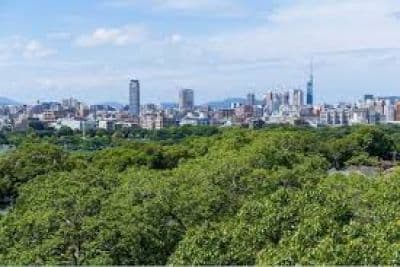
Fukuoka is one of Japan's most vibrant cities, situated on the northern shore of the island of Kyushu. Renowned for its ancient temples, beaches and modern…
More about Fukuoka →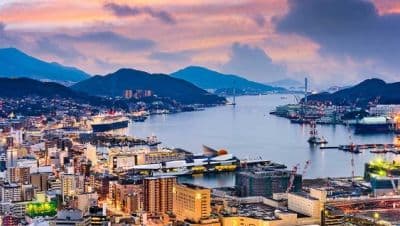
Nagasaki is a city located on the northwest coast of Kyushu, the third-largest island in Japan, notable for its unique history and beautiful scenery. It is…
More about Nagasaki →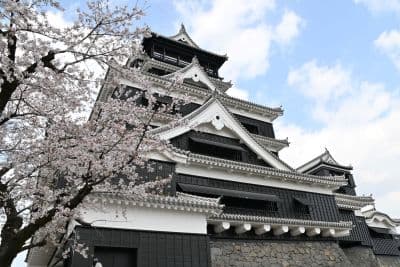
Gwangalli Beach
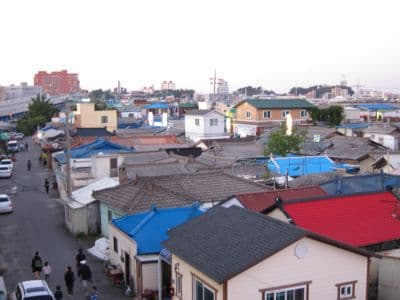
Villages (2)
Kumamoto, located on the island of Kyushu in Japan, is known for its historical significance, natural beauty, and cultural heritage. At the heart of Kumamoto…
More about Kumamoto →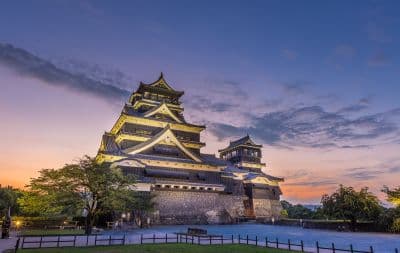
Kumamoto Castle is one of the most impressive castles in Japan, with a rich history dating back to 1607 when it was constructed by the daimyo Kato Kiyomasa.…
More about Kumamoto Castle →
Suizenji Jojuen Garden is a meticulously crafted landscape garden located in Kumamoto, Japan, renowned for its scenic beauty and historical significance. The…
More about Suizenji Jojuen Garden →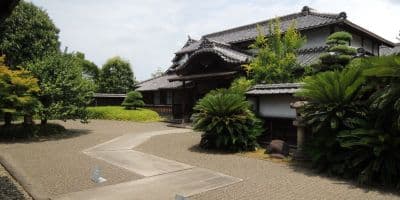
The Hosokawa Residence is a beautifully preserved samurai house located in the historic city of Kumamoto, Japan. This former residence belonged to the Hosokawa…
More about Hosokawa Residence →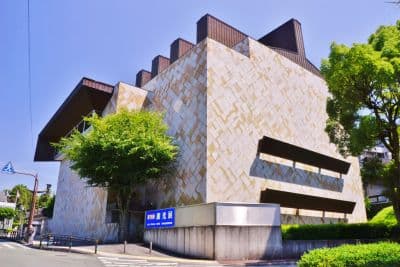
Kumamoto City Museum is situated in the culturally rich city of Kumamoto in Japan. This museum is dedicated to the local history and culture of Kumamoto…
More about Kumamoto City Museum →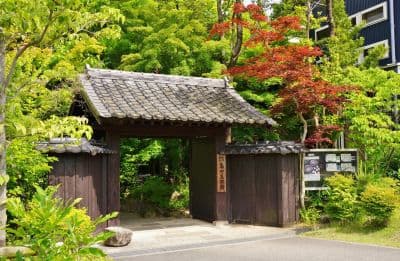
Shimada Museum of Arts is located in the serene city of Kumamoto on the island of Kyushu in Japan. This privately owned museum was founded in 1966 by…
More about Shimada Museum of Arts →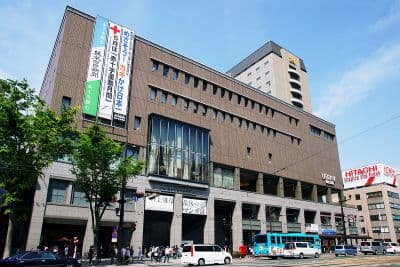
The Contemporary Art Museum Kumamoto, located in Kumamoto, Japan, is a modern art museum that focuses on local and international contemporary art. Established…
More about Contemporary Art Museum Kumamoto →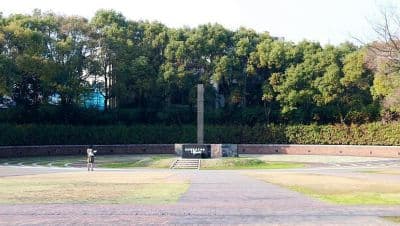
Nagasaki Peace Park is a poignant site located in Nagasaki, Japan, that commemorates the devastating atomic bombing on August 9, 1945. The park was established…
More about Nagasaki Peace Park →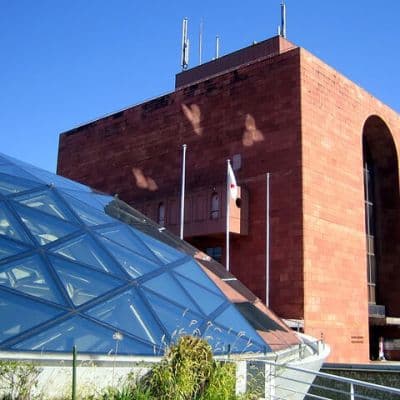
The Atomic Bomb Museum in Nagasaki, Japan, serves as a poignant reminder of the tragic impact of nuclear weapons and promotes peace and the abolition of such…
More about Atomic Bomb Museum →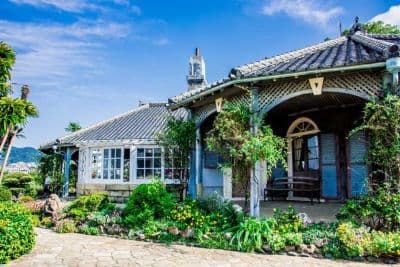
Glover Garden is a serene open-air museum in Nagasaki, Japan, celebrating the history and Western influence on the city during the Meiji period. Established in…
More about Glover Garden →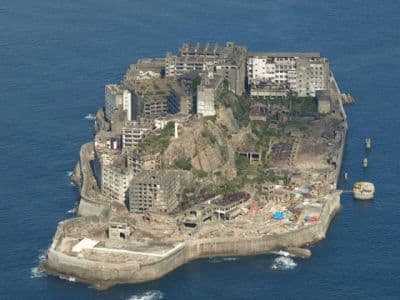
Hashima Island, commonly known as Gunkanjima (meaning 'Battleship Island'), is an abandoned island off the coast of Nagasaki, Japan. Its name derives from its…
More about Hashima Island →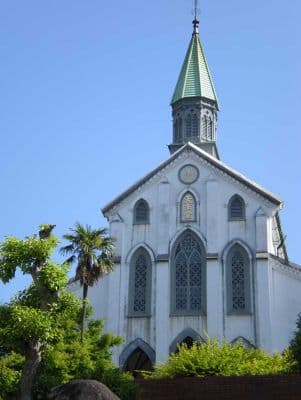
Oura Catholic Church, also known as the Basilica of the Twenty-Six Holy Martyrs of Japan, is a Roman Catholic basilica situated in Nagasaki, Japan. Completed…
More about Oura Catholic Church →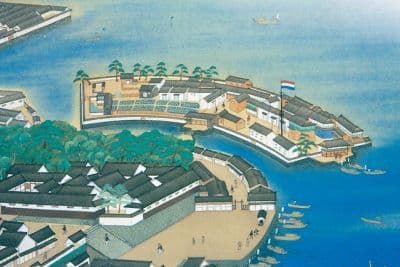
Dejima was a small, fan-shaped artificial island in the port of Nagasaki, Japan, constructed in 1634 to confine foreign traders. Initially built to house…
More about Dejima →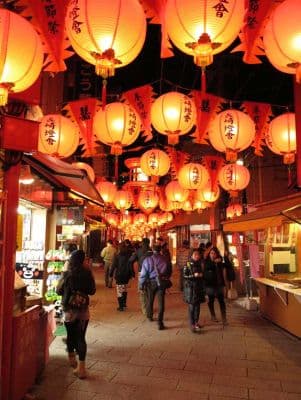
Nagasaki Chinatown, known as Shinchi Chinatown, is one of Japan's three major Chinatowns located in the city of Nagasaki. It is a vibrant district with a…
More about Nagasaki Chinatown →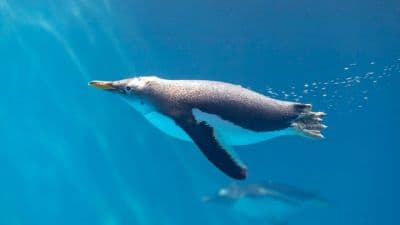
Nagasaki Penguin Aquarium, located in Nagasaki, Japan, is a unique marine facility chiefly devoted to the lives and conservation of penguins. With spectacular…
More about Nagasaki Penguin Aquarium →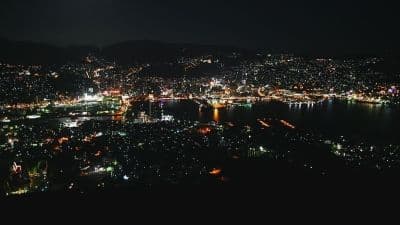
Mount Inasa (Inasayama) is a prominent peak in Nagasaki, Japan, known for its stunning panoramic views of Nagasaki's cityscape at night, which is considered…
More about Mount Inasa →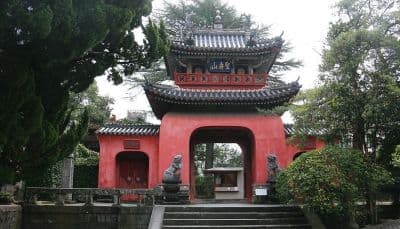
Sofukuji Temple is an iconic place of worship located in Nagasaki, Japan. It stands as a poignant emblem of the city’s rich cultural tapestry, notable for its…
More about Sofukuji Temple →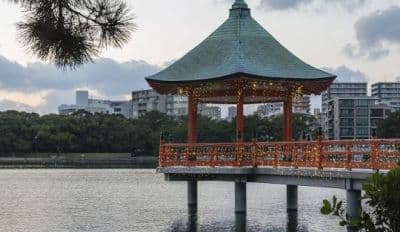
Ohori Park is a picturesque urban oasis situated in the middle of Fukuoka, Japan, offering a serene escape from the hustle and bustle of city life. The park's…
More about Ohori Park →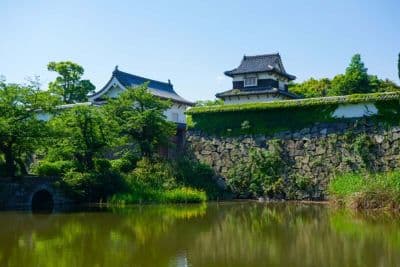
Fukuoka Castle Ruins, located in the Chuo Ward of Fukuoka, Japan, are the remnants of a castle that played a significant role during the Edo period.…
More about Fukuoka Castle Ruins →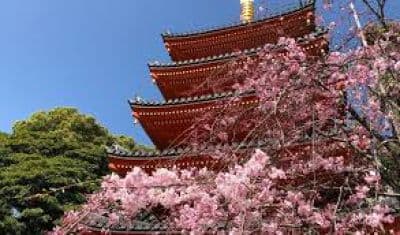
Tochoji Temple, located in Fukuoka, Japan, is most renowned for housing Japan's largest wooden statue of the seated Buddha (Daibutsu). Established in 806 by…
More about Tochoji Temple →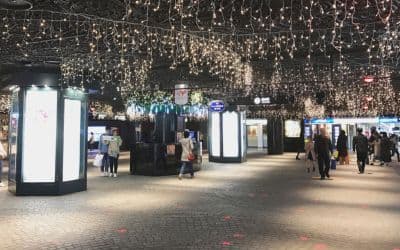
Located in the heart of Fukuoka, Japan, is the Tenjin Underground Shopping Mall, a bustling hub that epitomizes the city's urban charm. Spanning approximately…
More about Tenjin Underground Shopping Mall →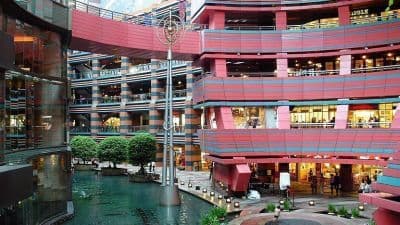
Canal City Hakata is a large shopping and entertainment complex in Fukuoka, Japan, nicknamed the 'city within the city.' It is an exciting example of urban…
More about Canal City Hakata →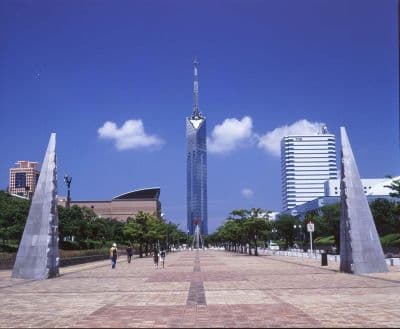
Fukuoka Tower is a seaside tower located in the city of Fukuoka, Japan. At a stunning height of 234 meters, it is the tallest seaside tower in Japan and offers…
More about Fukuoka Tower →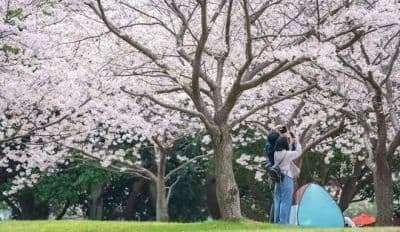
Uminonakamichi Seaside Park is a sprawling public park located on a narrow peninsula opposite Fukuoka City in Japan. Spanning roughly 300 hectares, the park is…
More about Uminonakamichi Seaside Park →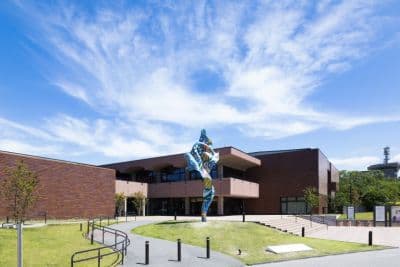
Fukuoka Art Museum is situated in the heart of Fukuoka City, in Ohori Park, Japan, and presents a harmonious blend of nature and art. The museum's collection…
More about Fukuoka Art Museum →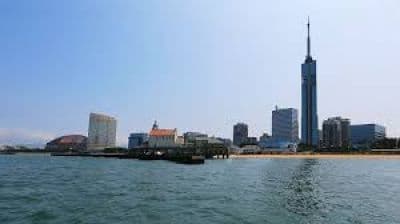
Momochi Seautopark is a modern, man-made waterfront situated in the city of Fukuoka, Japan. Spanning an expansive area, the seaside development is famous for…
More about Momochi Seaside Park →
Dazaifu Tenmangu Shrine is located in Dazaifu city, Fukuoka Prefecture in Japan, and is among the most revered Shinto shrines dedicated to the spirit of…
More about Dazaifu Tenmangu Shrine →
Busan, the second-largest city in South Korea, is a bustling metropolis set on the southeastern tip of the Korean peninsula. It's notably renowned for its…
More about Busan →
Daegu, also spelled Taegu and officially known as Daegu Metropolitan City, is the fourth-largest city in South Korea. It is located in the southeastern part of…
More about Daegu →
Daejeon is a major city located in the central region of South Korea and is the fifth-largest city in the country. As a science and research hub, Daejeon is…
More about Daejeon →
Gwangju is a metropolitan city in the southwestern part of South Korea, known for its rich history, vibrant culture, and significant role in the modern…
More about Gwangju →
Jeonju is a city located in the southwestern part of South Korea, known for its rich history and cultural heritage. It is the capital of North Jeolla Province…
More about Jeonju →
Gyeongju, historically known as Seorabeol, is a city located in the southeastern part of South Korea. Once the capital of the ancient Silla Kingdom, which…
More about Gyeongju →
Jeju Island, also known as Jeju-do, is South Korea's largest island, located southwest of the Korean Peninsula. This volcanic island is known for its stunning…
More about Jeju →
Haeundae Beach is one of South Korea's most famous and frequented beaches, located in the Haeundae District of Busan. Stretching approximately 1.5 kilometers…
More about Haeundae Beach →
Gamcheon Culture Village, situated in Busan, South Korea, is known for its steep streets, twisting alleys, and brightly painted houses, which have been…
More about Gamcheon Culture Village →
Gwangalli Beach, located in the bustling city of Busan, South Korea, is a popular destination for both locals and tourists. This stunning urban beach stretches…
More about Gwangalli Beach →
Beomeosa Temple, located in the mountainous terrain of Geumjeongsan in Busan, South Korea, is a striking example of Korean Buddhist architecture, culture, and…
More about Beomeosa Temple →
Haedong Yonggungsa Temple, located in the coastal city of Busan, South Korea, offers a unique blend of cultural heritage and stunning seaside views.…
More about Haedong Yonggungsa Temple →
Taejongdae Resort Park is a well-known natural park in Busan, South Korea, named after King Taejong Muyeol, the 29th king of the Silla Kingdom, with its rugged…
More about Taejongdae Resort Park →
Gwangan Bridge, also known as Diamond Bridge, stretches over the waters of Busan, linking the districts of Haeundae and Suyeong-gu. Opened in 2003, the bridge…
More about Gwangan Bridge →
Busan Tower is a prominent 120-meter-high tower located in Yongdusan Park in Jung-gu, Busan, South Korea. Built in 1973, the tower is a popular tourist…
More about Busan Tower →
BIFF Square, named after the Busan International Film Festival, is located in the bustling district of Nampo-dong, Busan, South Korea. It's a cultural hub for…
More about BIFF Square (Busan International Film Festival Square) →
Seomun Market is one of the largest traditional markets in Daegu, South Korea. This historic market dates back to the Joseon Dynasty and has been an important…
More about Seomun Market →
Apsan Park is a large urban natural park located in Daegu, South Korea, renowned for its beautiful mountains, scenic valleys, and rich biodiversity. It spans…
More about Apsan Park →
Donghwasa Temple, located on the slopes of Mt. Palgongsan in Daegu, South Korea, is a historic Buddhist temple with a heritage that dates back to the Shilla…
More about Donghwasa Temple →
EWorld and the 83 Tower, formerly known as Woobang Tower, are major landmarks of Daegu, South Korea. EWorld is an amusement park built around the tower that…
More about EWorld and 83 Tower →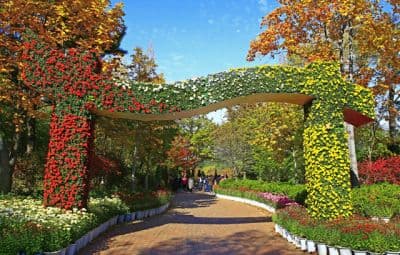
Daegu Arboretum is a living museum of plants located in Daegu, South Korea. It was once a landfill that was transformed into a botanical garden, serving as a…
More about Daegu Arboretum →
The Daegu Yangnyeongsi Museum of Oriental Medicine in Daegu, South Korea, is a unique institution dedicated to the history and practices of Eastern medicine.…
More about Daegu Yangnyeongsi Museum of Oriental Medicine →
Daegu National Museum is situated in the city of Daegu, which lies in the southeastern part of South Korea. Established in October 1994, the museum is…
More about Daegu National Museum →
Kim Gwangseokgil Street, also known as Kim Kwang-seok Road, is a vibrant cultural alley located in the heart of Daegu, South Korea, dedicated to the celebrated…
More about Kim Gwangseokgil Street →
Suseong Lake is a popular recreational area located in the heart of Daegu, South Korea. This artificial lake was created in 1925 and has since become a scenic…
More about Suseong Lake →
Otgol Village, located in Daegu, South Korea, is a historic clan village of the Gyeongju Choi family. It beautifully demonstrates traditional Korean…
More about Otgol Village →
Daejeon Expo Park is a cultural and historical park located in Daejeon, South Korea. It was originally developed for the Taejon Expo '93, an international…
More about Daejeon Expo Park →
Hanbat Arboretum is the largest man-made arboretum in South Korea, located in the city of Daejeon. Covering an extensive area, it is part of the larger Daejeon…
More about Hanbat Arboretum →
Yuseong Hot Springs is a renowned therapeutic hot spring destination in the Yuseong District of Daejeon, South Korea. The springs are famous for their…
More about Yuseong Hot Springs →
Daejeon OWorld is an amusement and zoo complex located in the city of Daejeon, South Korea. Encompassing a large area of roughly 70 acres, it combines…
More about Daejeon OWorld →
Daejeon Observatory is an astronomical observatory in Daejeon, South Korea. It serves as a window to the universe for the general public, offering educational…
More about Daejeon Observatory →
The Currency Museum of Korea, located in Daejeon, is a specialized museum that offers a unique glimpse into the history of currency in Korea. Built as a part…
More about Currency Museum of Korea →
Jangtaesan Recreational Forest is situated in the metropolitan city of Daejeon, South Korea, and is a popular destination for both tourists and locals seeking…
More about Jangtaesan Recreational Forest →
Ppuri Park, also known as Ppuri Family Park or Jangtaesan Recreational Forest, is located in Daejeon, South Korea. This park is a unique cultural attraction…
More about Ppuri Park →
Gyeryongsan National Park, nestled in the city of Daejeon, South Korea, is a stunning natural sanctuary renowned for its mystical dragon ridge, which inspired…
More about Gyeryongsan National Park →
Daecheong Dam is a large multi-purpose dam located on the Geum River near Daejeon in Chungcheongbuk-do, South Korea. The dam serves several purposes, including…
More about Daecheong Dam →
Mudeungsan National Park, designated in 2012, is located in Gwangju, South Korea. This park is famed for its majestic Mudeungsan Mountain that reaches 1,187…
More about Mudeungsan National Park →
Gwangju National Museum is a cultural institution located in Gwangju, South Korea, dedicated to preserving and exhibiting the rich historical artifacts and…
More about Gwangju National Museum →
18 Memorial Park, located in Gwangju, South Korea, is a significant historical site that commemorates the May 18th Democratic Uprising against the military…
More about 18 Memorial Park →
The May 18th National Cemetery in Gwangju, South Korea, is a memorial park and burial ground honoring the victims of the Gwangju Democratization Movement,…
More about May 18th National Cemetery →
Gwangju Art Street, situated in the bustling heart of Gwangju, South Korea, is an immersive enclave that embodies the city's rich cultural and artistic…
More about Gwangju Art Street →
The Asia Culture Center, located in Gwangju, South Korea, is a sprawling contemporary art and cultural complex dedicated to promoting Asian arts and culture.…
More about Asia Culture Center →
Sajik Park is a renowned urban park located in Gwangju, South Korea. It stands as an oasis of greenery amidst the bustling city, offering a tranquil retreat…
More about Sajik Park →
Yangnimdong Penguin Village, located in Gwangju, South Korea, is an artistically transformed neighborhood that showcases a unique blend of vibrant street art…
More about Yangnimdong Penguin Village →
The Gwangju Biennale Exhibition Hall, located in Gwangju, South Korea, is a prominent contemporary art exhibition hall that hosts the Gwangju Biennale, an…
More about Gwangju Biennale Exhibition Hall →
Pungam Reservoir is located in the vibrant metropolitan city of Gwangju, South Korea. This man-made reservoir serves as an important source of drinking water…
More about Pungam Reservoir →
The Korean Folk Village is a living museum that replicates traditional Korean life from the late Joseon period. Located in Yongin, a suburb of Suwon, it…
More about Korean Folk Village →
Jeonju Hanok Village, located in the city of Jeonju, South Korea, is a traditional cultural hub that transports visitors back in time to the Joseon Dynasty.…
More about Jeonju Hanok Village →
Nambu Market, located in the historical city of Jeonju, is a vibrant and traditional Korean market that has been in operation since the Joseon Dynasty. With a…
More about Nambu Market →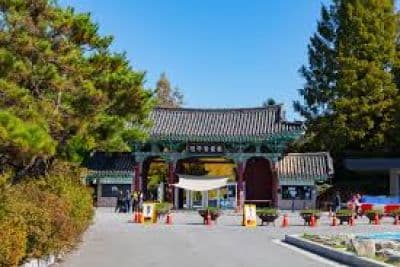
Jeonju Zoo, situated in Jeonju, South Korea, is a popular destination for families and wildlife enthusiasts. Covering an area of approximately 330,000 square…
More about Jeonju Zoo →
Jeonju National Museum is located in the cultural city of Jeonju, South Korea, which is famed for its historic buildings, food, and festivals. Established in…
More about Jeonju National Museum →
Bulguksa Temple is a head temple of the Jogye Order of Korean Buddhism located in Gyeongju, South Korea. A masterpiece of Buddhist art, it is considered a…
More about Bulguksa Temple →
Seokguram Grotto, situated on the slopes of Mt. Tohamsan in Gyeongju, South Korea, is a sublime example of the pinnacle of Buddhist art in the Silla era.…
More about Seokguram Grotto →
Anapji Pond, also known as Anap Pond, is a magnificent historical site located in Gyeongju, South Korea. Constructed in 674 AD during the reign of King Munmu…
More about Anapji Pond →
Cheomseongdae is an ancient astronomical observatory located in Gyeongju, South Korea. It is one of the oldest surviving observatories in East Asia and dates…
More about Cheomseongdae Observatory →
The Gyeongju National Museum in Gyeongju, South Korea, is a repository of the region's rich cultural heritage. Situated in the North Gyeongsang province, this…
More about Gyeongju National Museum →
Tumuli Park, also known as Daereungwon Tomb Complex, is situated in Gyeongju, South Korea. It is a significant historical area with a collection of royal tombs…
More about Tumuli Park →
Bunhwangsa Temple is a historic Buddhist temple located in Gyeongju, South Korea. It is part of the Gyeongju Historic Areas, a UNESCO World Heritage Site that…
More about Bunhwangsa Temple →
The Gyeongju Historic Areas in Gyeongju, South Korea, encompass a remarkable concentration of outstanding examples of Korean Buddhist art, including temples,…
More about Gyeongju Historic Areas →
Bomun Lake is an artificial lake located in the historic city of Gyeongju, South Korea, and it is part of the Bomun Tourist Complex. Surrounded by picturesque…
More about Bomun Lake →
Yangdong Folk Village, located in Gyeongju, South Korea, is a traditional village from the Joseon Dynasty. The village is renowned for its well-preserved…
More about Yangdong Folk Village →
Seongsan Ilchulbong, also known as 'Sunrise Peak', is a distinctive tuff cone formed by hydrovolcanic eruptions over 5,000 years ago. Located on the eastern…
More about Seongsan Ilchulbong →
Manjanggul Cave is one of the finest lava tunnels in the world and is a UNESCO World Natural Heritage site located in Jeju Island, South Korea. Extending for…
More about Manjanggul Cave →
Jeju Folk Village Museum, located in Jeju Island, South Korea, provides a deep insight into the island's unique culture and history. Established in 1974, the…
More about Jeju Folk Village Museum →
Hamdeok Beach, known for its stunning clear waters and soft sand, is located on the north-eastern coast of Jeju Island, South Korea. This picturesque beach is…
More about Hamdeok Beach →
Seopjikoji is located on the eastern shore of Jeju Island, South Korea, and has a stunning coastline with unique geological features. Its name originates from…
More about Seopjikoji →